


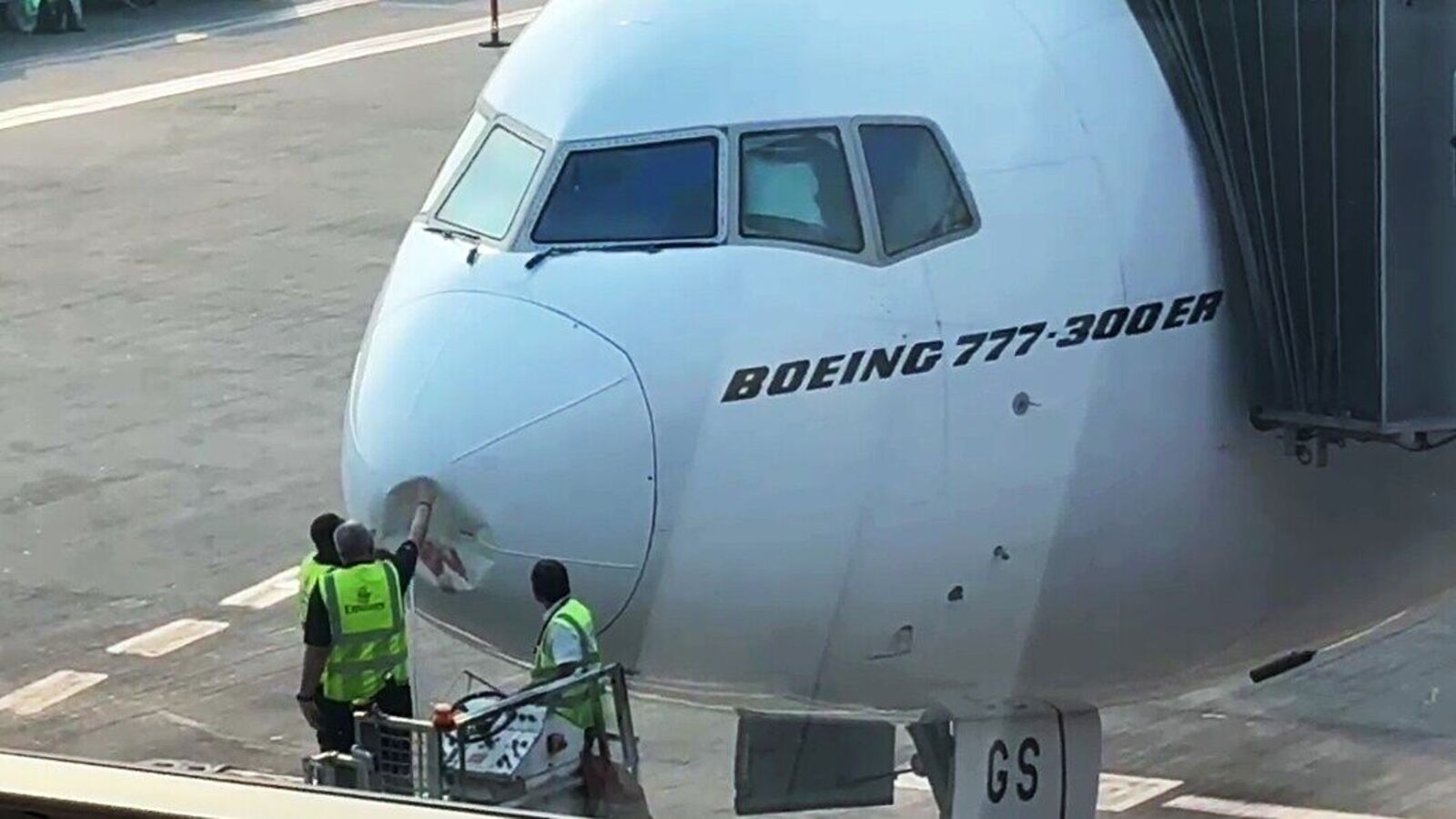
An Emirates flight scheduled for departure from Delhi to Dubai on Saturday encountered an unexpected delay following a reported bird strike. The aircraft, operating as flight EK 517, was slated to depart from the Indira Gandhi International Airport at 4:25 pm. However, the collision with a bird forced the airline to suspend the scheduled departure to prioritize the safety of those on board.
Bird strikes are recognized as a persistent aviation hazard, typically occurring when an aircraft makes contact with a bird during the critical phases of flight, such as take-off or landing. While these incidents are most common near airport perimeters where bird activity is frequent, they can also occasionally occur at higher altitudes. In this specific instance, the impact occurred in the vicinity of Delhi, leading to an immediate operational hold.
When such a collision is reported, aviation safety protocols dictate that the aircraft must undergo a thorough inspection. Engineers are tasked with examining various parts of the plane, including the wings, nose, windscreen, and engines, to determine if the impact resulted in any structural or mechanical degradation. According to the United States Federal Aviation Administration (FAA), the severity of the consequences depends largely on the size and quantity of birds involved, as well as the specific area of the airframe that sustains the strike.
While many bird strikes result in only minor cosmetic damage, there remains a risk that such collisions can cause more significant issues, such as loss of engine power or damage to the pilot's windscreen. Consequently, maintenance crews must perform exhaustive checks to confirm the airworthiness of the vessel before it is cleared for travel. If any damage is detected during these investigations, the aircraft remains grounded until necessary repairs are fully completed and verified by safety personnel.
The mandatory nature of these inspections is a cornerstone of modern aviation safety, even when such checks inevitably disrupt flight schedules. In the case of flight EK 517, the airline had to evaluate the condition of the aircraft, which contributed to the delay. As of the time of reporting, specific details regarding the extent of the damage or the exact condition of the aircraft following the strike had not been released by Emirates officials.
The incident at Delhi airport serves as a reminder of the challenges aviation authorities face in managing wildlife proximity to flight paths. While airports employ various measures to discourage bird presence, the risk of mid-air collisions remains a variable that airlines and pilots must manage in real-time. For the passengers aboard the delayed Emirates flight, the incident resulted in a departure schedule that moved beyond the original 4:25 pm timeline.
As of Saturday evening, further information regarding the flight’s revised departure time or its subsequent schedule was still pending. Airlines frequently prioritize these safety evaluations over strict adherence to departure times to prevent technical malfunctions from escalating into more dangerous in-flight scenarios. Authorities continue to monitor the situation, and the aircraft will only return to service once engineers certify that all safety criteria have been met.








Comments