


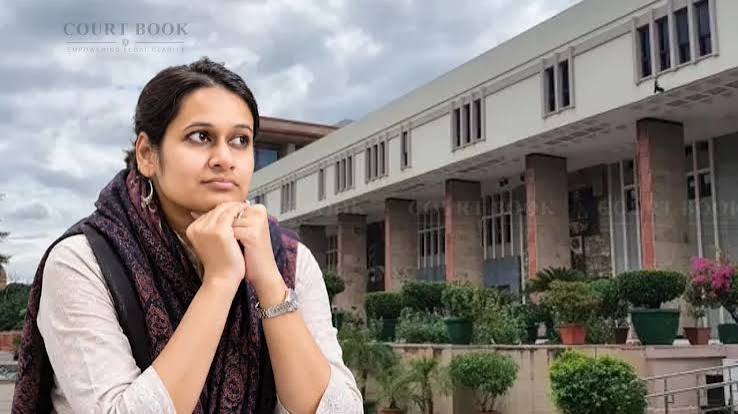
The Delhi High Court has granted activist and PhD scholar Natasha Narwal permission to travel to the United Kingdom for academic purposes. Justice Amit Bansal issued the order on Friday, allowing Narwal, who is currently out on bail in connection with the 2020 Delhi riots, to be abroad from November 2 to December 1. The court determined that her physical presence is necessary to attend an academic conference and conduct research related to her doctoral work.
As part of the court's directives, the trial court has been instructed to release Narwal’s passport, and any pending lookout circulars issued against her will remain suspended during the approved travel period. The judicial decision emphasized that these permissions come with specific legal safeguards to ensure her return. Both Narwal and her brother are required to submit written undertakings confirming her commitment to return to India. Additionally, she must furnish personal bonds of ₹50,000 each in the two riots-related cases in which she is named.
The court has explicitly prohibited Narwal from seeking asylum while in the UK. Furthermore, she is required to surrender her passport to the authorities within 48 hours of her return to the country. The order also restricts her from making any public commentary regarding the merits of her ongoing legal proceedings while she is traveling abroad for her academic engagements.
Narwal is one of the individuals named by the Delhi Police in connection with the widespread violence that occurred in northeast Delhi in February 2020. The riots, which coincided with the visit of then-US President Donald Trump to the national capital, resulted in at least 53 deaths and left more than 700 people injured. She faces charges under the Unlawful Activities (Prevention) Act (UAPA) in the alleged larger conspiracy case. Following her arrest in 2020, she remained in custody for over a year before being granted bail in 2021.
A founding member of the student collective Pinjra Tod, Narwal has been an active voice in campus politics and social justice movements. Established in 2015, the collective is known for its campaign against restrictive hostel regulations and rules that limit the movement of women students. Her background includes extensive academic and investigative work, having studied modern history at Hindu College and completed an MPhil in Development Practice at Dr. B. R. Ambedkar University, where she researched land rights for tribal communities.
Before her doctoral studies at Jawaharlal Nehru University, where she began work on the history of Delhi’s women’s movement, Narwal contributed to various research and media organizations. Her career has included freelance journalism, volunteer research projects, and work with institutions like the Centre for the Study of Developing Societies. She previously contested elections for the Delhi University Students’ Union and was associated with the Students’ Federation of India.
The current legal proceedings involve multiple cases against various individuals whom the police have labeled as “masterminds” of the 2020 violence. While Narwal prepares for her upcoming academic trip, the judicial oversight remains stringent, reflecting the ongoing nature of the criminal investigations into the riots. The court's decision provides a temporary window for her to fulfill her academic requirements while maintaining the conditions of her bail under the supervision of the Indian judicial system.








Comments