


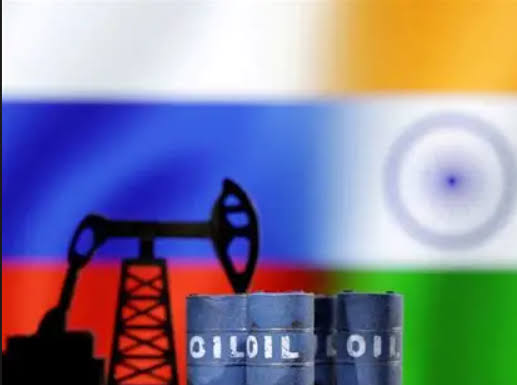
A recent decision by United States President Donald Trump to waive threatened tariffs of up to 100% on countries importing Russian oil has provided India with a period of temporary relief. However, industry analysts caution that this move does not signify a long-term shift in American policy, leaving New Delhi exposed to potential future pressure from Washington regarding its energy procurement strategies.
The waiver was issued on October 16 under the provisions of the Lindsey O. Graham Sanctioning Russia and Iran Act of 2026 (SRIA), which was signed into law on September 18. The legislation originally envisioned punitive tariffs reaching 500% on Russian goods and additional 100% duties on imports from nations that continue to purchase Russian oil. The executive order invokes Section 115 of the Act, which allows the administration to keep these duties in abeyance for the time being.
According to the Global Trade Research Initiative (GTRI), the move highlights a significant degree of uncertainty within United States trade policy. The think tank noted that Washington frequently threatens to impose severe penalties but often retreats from enforcement when those measures conflict with its own immediate economic or diplomatic requirements. In this instance, the waiver lacks a fixed expiration date, meaning the US government reserves the right to withdraw it at any time.
Analysts point to several strategic reasons why the US may have stepped back from immediate enforcement. Washington recently reached an agreement to purchase Russian diesel to manage its own domestic fuel shortages and rising prices. Imposing heavy penalties on other nations for similar energy acquisitions while concurrently importing the same product could subject the US to accusations of applying double standards. Furthermore, the US has agreed to a temporary pause in tariff increases against China until January 10, following arrangements made during President Xi Jinping’s visit last month.
The GTRI suggested that India should exercise caution and avoid making permanent trade concessions in exchange for what is essentially a temporary reprieve. “For India, the waiver buys time but offers no lasting certainty,” said Ajay Srivastava, founder of the GTRI. He advised that New Delhi should continue to prioritize its energy security by purchasing oil on commercial terms while maintaining flexibility in its sourcing strategies. He added that India risks facing repeated pressure unless it demonstrates that such external coercion carries tangible costs.
Data indicates that there has already been a slight shift in India’s import patterns. Russia’s share of India’s oil imports declined from 51% in July to 44% in August. During this period, India increased its procurement from the United States and the United Arab Emirates, even when US-sourced oil was available at higher price points. The US Trade Representative is expected to continue monitoring these energy flows closely.
Moving forward, the situation remains fluid. Because the framework of the SRIA allows for the review and potential restoration of the tariff threat, the relief granted is not a durable change in policy. Indian policymakers are now faced with the challenge of navigating these complex bilateral trade negotiations while ensuring the country’s energy needs are met without being locked into restrictive, long-term trade agreements under the threat of future punitive duties.








Comments