


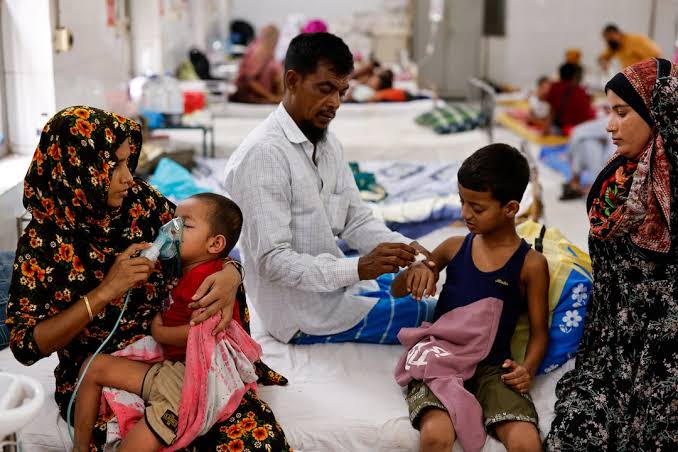
Bangladesh is currently confronting the world’s most significant measles outbreak, a public health crisis that experts say serves as a critical warning for nations regarding the dangers of slipping vaccination rates. According to the World Health Organization (WHO), the country has recorded 202,000 suspected measles cases since the outbreak began in mid-March, with 22,000 of those confirmed through laboratory testing by October 9. The severity of the situation has led to 1,147 deaths, with children under five years old accounting for 94% of these fatalities.
The current situation highlights the difficulty of maintaining disease control when vaccination coverage drops below the 95% threshold required for herd immunity. While Bangladesh had previously been regarded as a vaccination success story, achieving high coverage rates in 2024, the situation shifted in 2025. Data indicates that first-dose coverage fell to 90%, while second-dose coverage slipped to 86%, leaving a significant portion of the population unprotected against the highly contagious virus.
The decline in coverage is linked to political instability that occurred in 2025, following the end of Prime Minister Sheikh Hasina's 15-year rule. During the ensuing period of turmoil, health workers went on strike and vaccine procurement orders faced delays. These interruptions hampered routine programs, leading to gaps in immunity. Further complicating the response, a review of official records by experts and health officials revealed significant discrepancies in data, suggesting that millions of children were left out of health tracking systems, sometimes due to counting errors where reported inoculations appeared to exceed targeted population numbers.
The government initiated an emergency vaccination drive in April and May, reaching approximately 20 million children. While initial results suggested success in hotspots, the intervention faced logistical shortcomings. Evidence emerged that the emergency campaign's target lists were missing millions of children compared to other routine health interventions. In the Sylhet region, which has been particularly affected, families have reported a lack of outreach from health workers, with some parents noting that medical teams arrived only after their children had succumbed to the disease.
Mark Jit, a WHO vaccine adviser and professor at the School of Global Public Health at New York University, emphasized that the crisis illustrates that preventing outbreaks is far more effective than reacting to them. The current response, while necessary, cannot undo the loss of life that has already occurred. As of September, the nation was still reporting a daily average of 1,198 new cases, a concerning trend given that measles typically carries a higher mortality rate in regions where malnutrition and limited access to healthcare remain prevalent.
Ziauddin Hyder, special assistant on health affairs to Prime Minister Tarique Rahman, acknowledged the gaps in the vaccination campaign during September, attributing some of the persistent challenges to vaccine hesitancy among parents and the prevalence of other child illnesses. Despite these challenges, the government maintains it is doing everything within its capacity to curb the spread of the virus. The WHO continues to monitor the situation, using the incident to highlight the global necessity of maintaining robust immunization schedules to prevent the resurgence of preventable diseases.








Comments