


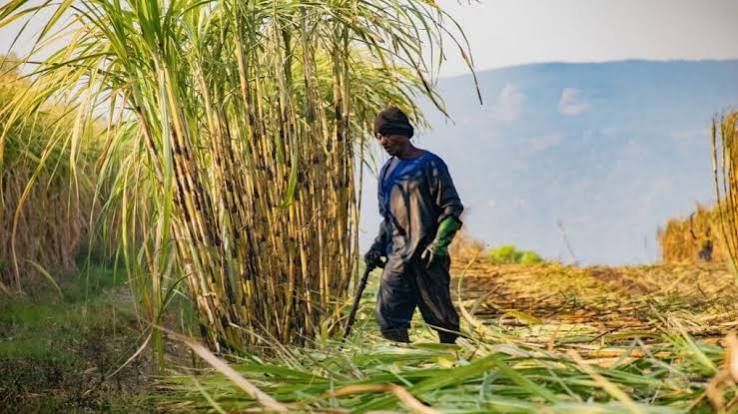
In a significant policy shift aimed at securing domestic sugar availability, the Government of India has instructed state-run oil marketing companies to reduce the diversion of sugar for ethanol production to zero for the 2026/27 supply year. According to a tender document issued on Friday, the latest procurement process explicitly excludes ethanol derived from sugarcane juice, sugar syrup, and B-heavy molasses, marking a departure from previous years where surplus sugar was a key component in meeting national blending targets.
The tender, issued jointly by Indian Oil Corp, Bharat Petroleum Corp, and Hindustan Petroleum Corp, invites bids for a total of 11 billion litres of ethanol for the supply cycle beginning in November. By removing sugar-based feedstocks from the request for proposals, the government intends to preserve domestic supplies in response to mounting pressure from record-high sugar prices. This decision underscores the ongoing friction between the nation's ambitious goals to reduce crude oil imports through biofuel blending and the necessity of ensuring food security amidst volatile production levels.
For several years, India has effectively leveraged its surplus sugar production to meet ethanol-blending mandates, a strategy central to its efforts to curb environmental pollution and reduce its dependence on expensive energy imports. However, recent challenges, including inconsistent and poor rainfall across major sugar-producing regions such as Maharashtra and Karnataka, have severely impacted output expectations. These environmental constraints have fueled concerns over potential shortages, leading policymakers to prioritize the availability of sugar for human consumption over its use in energy production.
The current tender allows manufacturers to fulfill their supply commitments using alternative feedstocks. Specifically, the procurement process is now centered on ethanol produced from corn, broken rice, and surplus rice procured through the Food Corporation of India. While the shift promotes the use of grains, the financial incentives for suppliers have seen adjustments. The tender document indicates that the incentive for corn-based ethanol has been reduced to 2.79 rupees per litre, down from 5.79 rupees. Consequently, the procurement price for corn-based ethanol has been revised to 68.86 rupees per litre, reflecting a decrease from the previous rate of 71.86 rupees.
This strategic move comes at a time when the country is navigating the rollout of E20 fuel, which mandates a 20 percent ethanol blend in petrol nationwide. While the government introduced this policy to lower emissions and oil import costs, the transition has not been without public debate, with some vehicle owners expressing apprehension regarding the potential impact of the blend on older automobile engines. Despite these concerns, the government remains committed to its long-term energy goals, even as it recalibrates the composition of its feedstock supply.
Industry analysts note that this directive aligns with earlier reports suggesting that the government was actively considering restrictions on the amount of sugarcane diverted for biofuel in the season beginning this October. By curbing the use of sugar-based inputs, the administration aims to stabilize the domestic market and mitigate the inflationary pressure currently impacting the commodity. Looking ahead, the focus for stakeholders will be on how effectively the supply chain can pivot to grain-based ethanol to maintain the momentum of the nationwide blending program without compromising on food supply stability. The upcoming 2026/27 cycle will be a critical test for this redirected energy policy as the government attempts to balance industrial demand with consumer necessities in a constrained agricultural environment.








Comments