


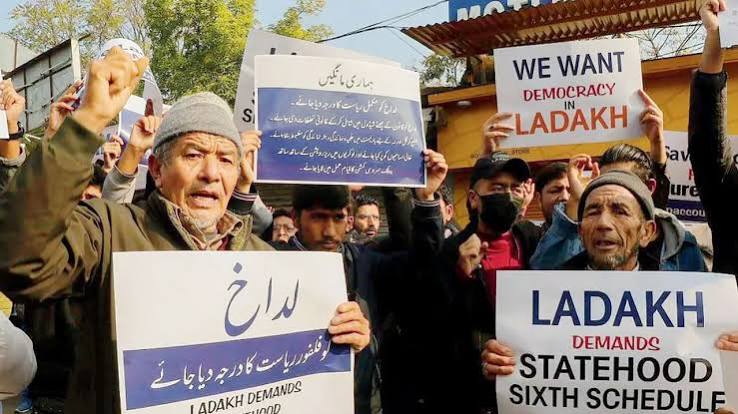
Representatives from Ladakh’s two major political bodies, the Leh Apex Body (LAB) and the Kargil Democratic Alliance (KDA), have formally rejected a draft proposal submitted by the Ministry of Home Affairs (MHA) subcommittee. The rejection follows a crucial round of discussions held in Leh regarding the future governance and autonomy of the Union Territory. The groups claim the latest draft constitutes a significant departure from assurances previously provided by the central government during the committee's earlier deliberations.
In a joint statement released on Friday, the LAB and KDA expressed their dissatisfaction, urging the Ministry of Home Affairs to reconsider its current position. They requested that the government instead accept a memorandum of understanding (MoU) that both bodies had previously submitted, arguing that it represents the genuine political, cultural, and democratic aspirations of the people of Ladakh. According to the representatives, the current path forward requires a framework that respects prior commitments rather than one that they believe dilutes their region's status.
The core of the objection lies in the perceived inadequacy of the MHA’s proposals regarding local representation. The bodies stated that the draft fails to accommodate the demand for a legislative assembly and constitutional safeguards under Article 371, which they believe is necessary for Ladakh’s unique circumstances. The groups noted that the government’s proposal appears to favor a model similar to the former North East Frontier Agency (NEFA), which they contend falls far short of the guarantee of a Union Territory with a legislature—a point they assert was agreed upon during a meeting on May 22, 2026.
The ongoing dialogue between the Centre and the Ladakhi representatives has been a prolonged process, with formal talks initiated as early as 2023. The relationship between the two sides has faced significant challenges, including a temporary stall in the negotiation process following civil unrest in September of last year, during which four people were killed and over 80 were injured during protests demanding statehood.
Despite the current impasse, both sides appear committed to continuing the negotiation process. A follow-up meeting has already been scheduled for October 22 in New Delhi. In preparation for these discussions, the LAB and KDA intend to submit a detailed written response to the MHA on October 18, which will elaborate on their specific objections and formally reiterate their long-standing demands, which they say have been consistently advocated since 2021.
The previous formal interaction regarding these issues occurred on September 9 in New Delhi. At that time, Ladakh Chief Secretary Ashish Kundra had described the government's aim as developing a sui generis model under Article 371 that would be unique to the region. The Ladakhi leadership maintains that any proposed governance model must reflect the specific needs of the region, ensuring that the democratic rights of its residents are protected within the national framework.
As the date for the next meeting approaches, the focus remains on whether the Centre will adjust its approach to align more closely with the expectations set out in the memorandum of understanding. The outcome of the October 22 meeting is expected to be a critical indicator of whether a consensus on Ladakh’s political future can be reached or if the gap between the government’s proposal and the local demands will continue to persist.








Comments