


North Korea has confirmed the successful test of a new artificial intelligence-equipped torpedo, identified as the Zam-2.0. The state-run Korean Central News Agency (KCNA) reported on Saturday that the underwater test, which took place on Thursday, was intended to verify technological upgrades and demonstrate advancements in the country's naval capabilities. Officials described the event as a major success, noting that it could lead to significant changes in the development of the nation's navy.
According to the KCNA, the Zam-2.0 is designed to autonomously detect and guide itself toward targets. While the agency provided limited technical specifications, it confirmed that the torpedo incorporates artificial intelligence technology for target acquisition. The test also verified improvements to the weapon's propulsion efficiency and the performance of its rocket propulsion system. These results are the culmination of a five-year research and development phase, during which North Korean engineers conducted more than 180 related tests to perfect the underlying technology.
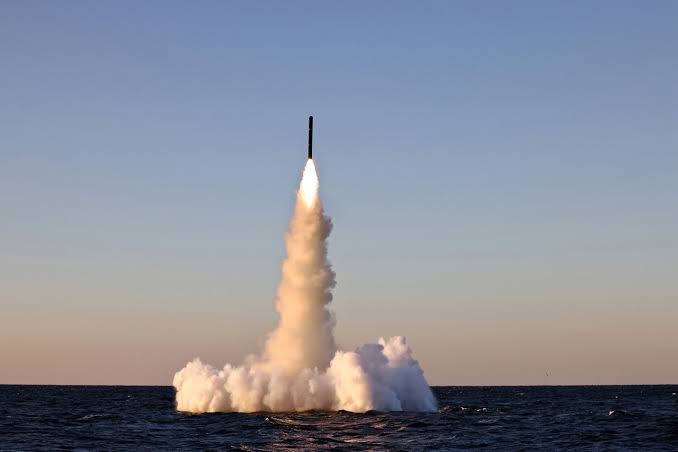
This latest military demonstration follows a series of underwater activities by Pyongyang earlier in the week. On Wednesday, North Korea launched two types of strategic cruise missiles from an underwater platform in its eastern waters. These were the first publicly reported underwater missile tests by the country in nearly three years. International analysts and reports, including one from The Washington Post, suggest these launches were likely carried out using the 'Hero Kim Kun Ok,' a submarine unveiled in 2023 that is purportedly capable of deploying tactical nuclear weapons, though its operational status remains a subject of debate among experts.
The rapid succession of these tests reflects an intensifying arms race on the Korean Peninsula. Both North and South Korea are actively developing sophisticated weapons systems designed to challenge existing missile defenses. For North Korea, the push to modernize its naval forces has become a key priority under leader Kim Jong Un, running parallel to the country’s well-established ballistic missile program. Recent naval efforts include the commissioning of two 5,000-tonne destroyers, the 'Choe Hyon' and 'Kang Kon', and ongoing work on a nuclear-powered submarine first observed under construction in March 2025.
South Korean military officials have been monitoring these developments closely. Regarding the recent cruise missile launches, South Korean analysts noted that the use of varying launch mechanisms suggests Pyongyang is working to improve its ability to deploy strategic weapons from underwater platforms. Such advancements are seen as a growing complication for regional defense efforts, as they make it increasingly difficult for observers to detect and track North Korean weapon launches.
The announcement of the Zam-2.0 test is viewed by regional observers as a strategic signal from Pyongyang regarding its commitment to expanding its maritime deterrent. As North Korea continues to integrate AI and advanced propulsion into its arsenal, the implications for security dynamics in the region remain a primary focus for neighboring states and the international community. The KCNA reiterated that these tests are essential to assessing the combat readiness of the nation’s underwater systems and confirming the reliability of its war deterrent.








Comments