


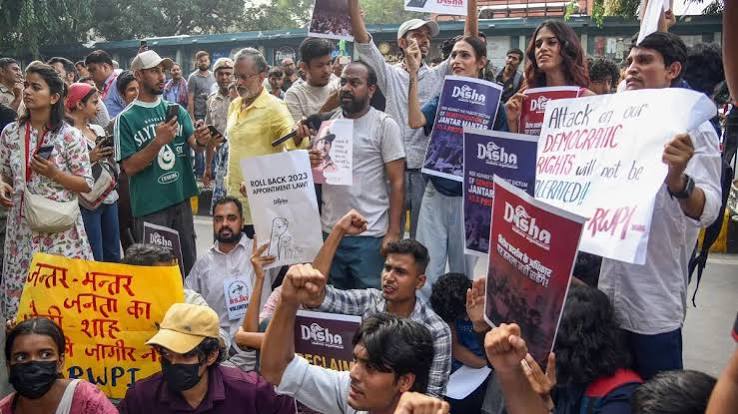
The Press Council of India (PCI) has officially released a set of comprehensive guidelines for journalists reporting on protests and public demonstrations. This move comes in the wake of an October 11 incident in the national capital, where several journalists were detained by Delhi Police while covering protests organized by the Cockroach Janta Party (CJP). Reports and social media footage from the day indicated that many reporters were taken into custody despite presenting their official press identification cards.
The demonstration on October 11 saw a heavy police presence across Delhi as protesters marched toward Jantar Mantar. During the event, more than 200 individuals were detained as security personnel attempted to manage the crowds. In response to the growing concerns regarding the safety and professional freedom of the press, the PCI adopted these new guidelines during a meeting held on October 15. The Council stated that the measures are designed to assist journalists in fulfilling their professional duties while prioritizing their physical safety and improving coordination with law enforcement agencies.
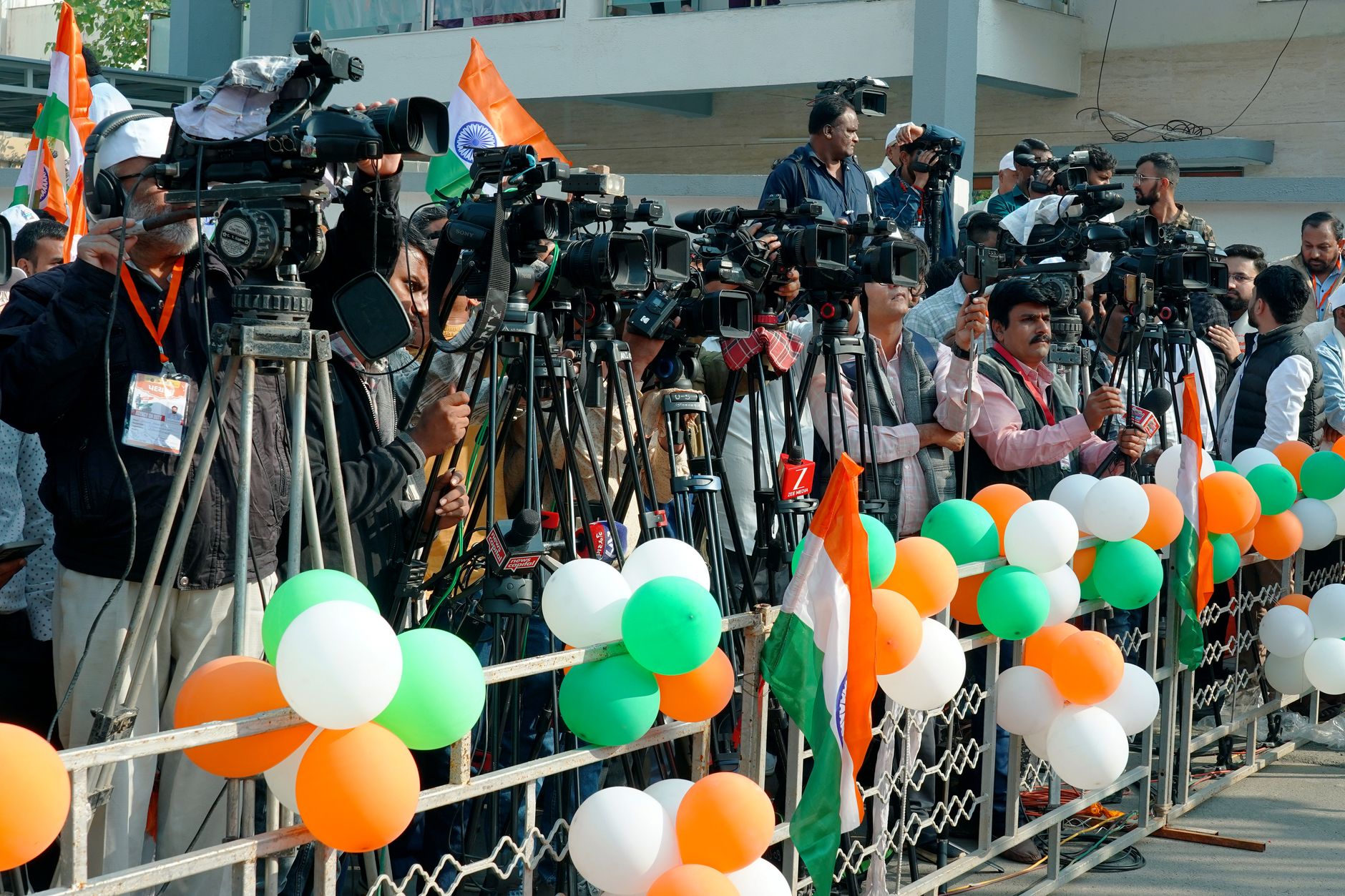
Central to the new protocols is the requirement for media personnel to keep valid identification—such as media organization-issued ID cards or PIB/DIP accreditation—clearly visible at all times. Journalists are advised to secure their lanyards to prevent them from becoming snagged in crowds. When interacting with police officers, the guidelines urge reporters to identify themselves calmly, maintain an impartial demeanor, and avoid any actions that could be construed as taking sides or provoking confrontation.
The Council emphasized the importance of situational awareness, advising journalists to remain alert to shifts in crowd behavior, rising tensions, and changes in ambient noise levels. Reporters are encouraged to pre-identify potential exit routes and continuously update their escape plans as a situation evolves. In environments where smoke or tear gas may be deployed, the guidelines recommend using landmarks to navigate to safety rather than retreating further into a dense crowd. To minimize the risk of falling in chaotic settings, the Council suggested taking short, deliberate steps.
For personal safety, the PCI recommends that journalists carry emergency kits containing basic first-aid supplies, water, snacks, flashlights, and eye protection. Depending on the level of risk involved, the use of protective helmets and body armor has been suggested. The guidelines explicitly caution journalists against attempting to handle tear-gas canisters, flash-bang devices, or smoke grenades, noting that specialized equipment should be left to professionals.
The directive also places responsibility on news organizations, urging them to appoint a designated contact person to monitor the whereabouts of their journalists in the field. Freelance reporters are similarly encouraged to inform a trusted contact of their location and coverage plans. When protests are planned in advance, the Council advises media houses to establish communication channels with police and public information officers to clarify reporting protocols and identify designated press zones.
Regarding editorial standards, the PCI stressed the necessity of accurate, balanced, and impartial reporting. Journalists are urged to distinguish clearly between verified facts and unconfirmed claims or allegations. Furthermore, the Council cautioned against the real-time dissemination of sensitive information, such as specific police deployment details or evacuation routes, if such reporting poses a risk to public safety. Ultimately, the guidelines state that the pressure to secure exclusive footage or fulfill live-broadcast commitments should never override the safety of a journalist.







Comments