


The Delhi Police has reiterated its standing guidelines regarding public demonstrations, mandating that organisers must secure formal permission at least 10 days prior to hosting any event at the Jantar Mantar protest site. This clarification was issued on Wednesday, October 7, 2026, as security measures were significantly tightened across central Delhi following a series of political mobilisations in the capital.
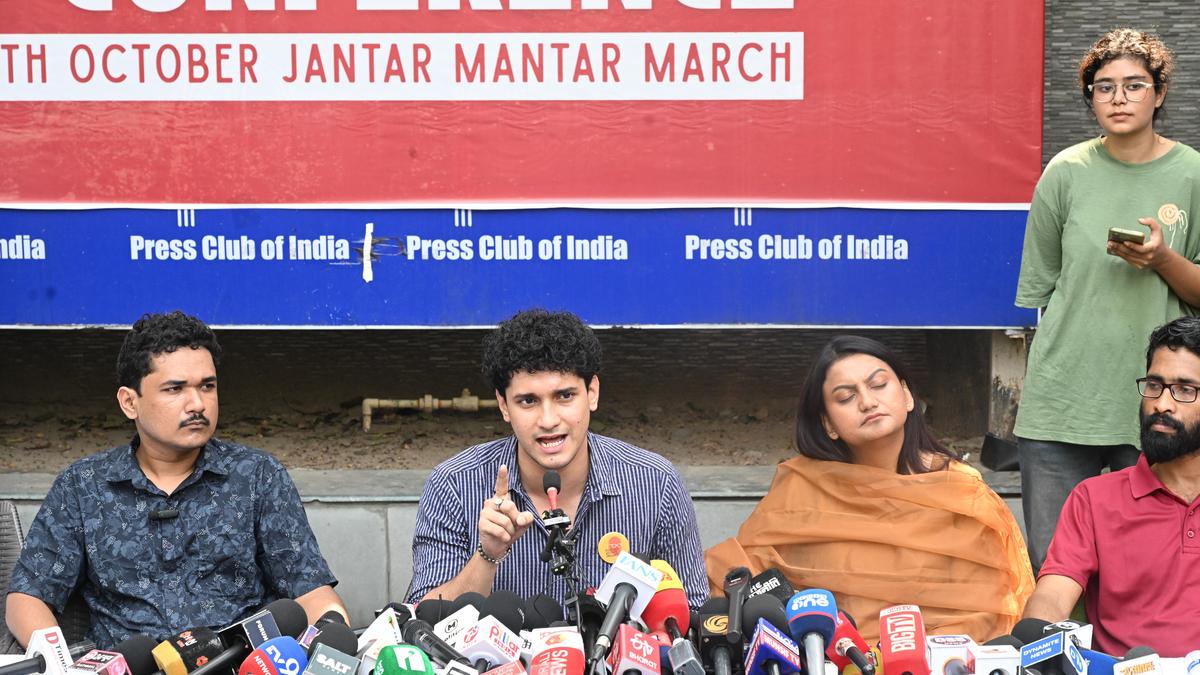
The police statement comes amidst heightened tensions as members of the INDIA bloc organised a protest march toward Jantar Mantar. The opposition group has been actively campaigning for the removal of Chief Election Commissioner Gyanesh Kumar, alleging irregularities in the Special Intensive Revision of electoral rolls. Simultaneously, the Cockroach Janta Party (CJP) has formally informed local authorities of its intent to stage a protest at the same location on October 10. Representatives from the CJP, including co-convenor Saurav Das, confirmed that they have submitted the necessary intimation letter at the Parliament Street police station, anticipating a large turnout of thousands of participants.
These regulatory reminders are rooted in a 2018 Supreme Court judgment in the case of Mazdoor Kisan Shakti Sangathan vs Union of India. In that ruling, the apex court affirmed that while peaceful protest is a fundamental right, there must be a structured mechanism to regulate such gatherings, ensuring a balance between the rights of citizens to demonstrate and the requirement to maintain public order and residents' interests. Consequently, the Delhi Police implemented standing orders that designate Jantar Mantar specifically for gatherings of up to 1,000 people. Events exceeding this limit are directed toward other designated locations to manage crowd flow and security more effectively.
The guidelines further stipulate that for larger demonstrations, the Delhi Police has earmarked the Ramlila Maidan, which is capable of accommodating between 1,000 and 50,000 individuals. For gatherings that are expected to exceed 50,000 people, the authorities have designated Burari as the appropriate venue. Additionally, the police have maintained a strict prohibition on demonstrations within the Central Vista area. This restricted zone includes critical landmarks such as India Gate, the C-Hexagon, and surrounding thoroughfares like Man Singh Road, Janpath, and Rajpath.
The current situation remains charged, particularly following the detention of hundreds of opposition leaders and workers. These detentions occurred after a march to the Election Commission and an eight-hour sit-in at Akashvani Bhawan on October 6. The opposition alleges that Commissioner Kumar facilitated the deletion of a large number of names from electoral rolls, a claim that has driven their persistent calls for his resignation. In response to these developments, the police have intensified the deployment of security personnel and placed heavy barricading in sensitive areas.
Despite the restrictions, the Delhi Police has emphasised that Jantar Mantar remains an authorised site for peaceful and approved demonstrations. However, officials noted that the site's utility is subject to the strict adherence of the established permit process and crowd management protocols. Authorities have faced multiple attempts by various student organisations and political parties to mobilise at the site in recent weeks, many of which led to security confrontations and subsequent detentions when established procedures were bypassed.
Looking ahead, the focus remains on how the upcoming October 10 protest will be managed. With multiple political entities active in the capital, the police are attempting to enforce regulatory compliance to prevent logistical disruptions in central Delhi. Organisers are expected to coordinate closely with the Deputy Commissioner of Police for the New Delhi District to ensure that their planned activities align with the court-mandated protocols for public demonstrations.







Comments