


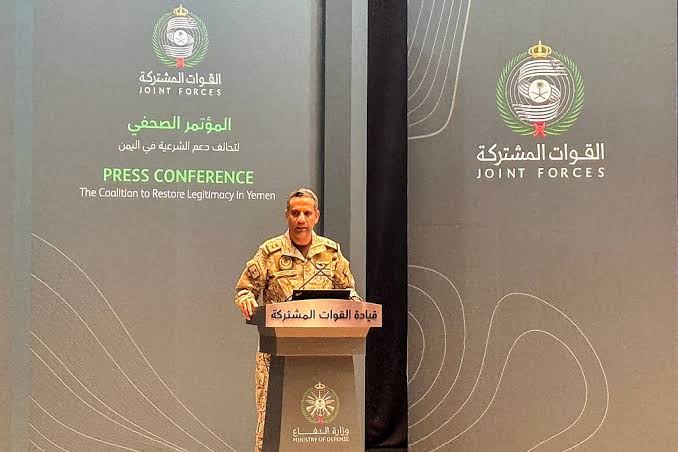
Tehran has issued a formal denial regarding recent allegations that it played a direct role in military attacks conducted by the Houthi movement. The rebuttal, aimed at addressing claims made by Saudi officials, marks a significant moment in the ongoing diplomatic discourse surrounding regional security and the persistent influence of Iran-aligned factions in the Middle East.
For years, the Houthi movement has been identified as a central pillar of what is widely described as Iran's "Axis of Resistance." This coalition, which operates across several volatile zones, is united by its fundamental opposition to Israel and its strategic alignment with Iranian foreign policy interests. The network includes diverse entities, such as Lebanon’s Hezbollah and a variety of Iran-backed armed groups stationed across Iraq.
The accusation from Saudi Arabia, which Iran has now explicitly rejected, centers on the degree of control and military support Tehran provides to these regional allies. Saudi Arabia has frequently expressed concerns over the supply chains and tactical coordination that empower these groups to engage in cross-border offensives. By distancing itself from the specific operations carried out by the Houthis, Iran is attempting to navigate the precarious diplomatic waters of the region, where influence often shifts between overt support and strategic ambiguity.
The Houthi movement has gained prominence in recent months for its activities targeting regional maritime routes and infrastructure. As a member of the broader resistance network, the group has successfully utilized drone technology and ballistic missile systems, capabilities that international observers often scrutinize for potential origins. Saudi Arabia, which has historically led a coalition against Houthi forces in neighboring conflict zones, maintains that the group functions under a wider regional strategy orchestrated by Tehran.
Geopolitical analysts note that Iran’s denial is a standard maneuver to avoid direct culpability for regional instability. By framing the actions of groups like the Houthis as independent or localized efforts, Tehran effectively manages the pressure from international sanctions and regional rivals. However, the deep integration between the ideological objectives of the Houthis and the wider Axis of Resistance remains a focal point for security agencies worldwide.
The impact of this denial on the broader regional security framework remains uncertain. Saudi Arabia and other Gulf nations have been seeking a path toward de-escalation, yet persistent skirmishes and the involvement of proxy groups continue to impede long-term stability. While Iran maintains that its support for these factions is primarily ideological and political, the persistent hardware and tactical patterns displayed by the Houthis remain central to the ongoing accusations from Riyadh.
What happens next in this unfolding narrative depends on the effectiveness of regional diplomacy and the capacity for de-escalation between the Gulf states and Iran. With tensions remaining high, international observers are closely monitoring the activities of these armed groups, as any escalation could potentially reshape the security architecture of the region. As it stands, the diplomatic impasse continues, with Tehran insisting on its autonomy from the specific combat operations initiated by its regional allies.








Comments