


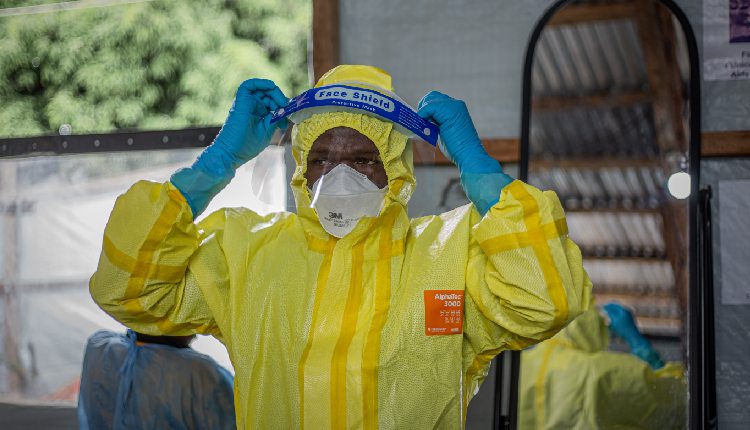
Kenya’s Health Ministry confirmed on Friday that a third case of the Bundibugyo virus, a strain of Ebola, has been detected in the country. The patient, a 65-year-old woman, is a primary contact and close relative of the first two individuals who contracted the virus in Kenya. According to the ministry, she has been in mandatory quarantine since October 6, preventing any potential wider spread of the contagion among the general public.
The ministry reported that the patient began experiencing symptoms including malaise, a sore throat, and a fever. Following the onset of these signs, she was promptly isolated and underwent testing, which confirmed the presence of the Bundibugyo strain. She is currently undergoing supportive care, with health officials expressing optimism regarding her prognosis due to the early stage at which the infection was diagnosed.
This latest case marks the third confirmed instance of the virus in Kenya just 10 days after the country reported its first case and subsequent death. The initial patient was a man who had fallen ill in the Democratic Republic of the Congo (DRC) before travelling by road to Uganda and eventually flying to Nairobi on October 3. He was admitted to a hospital by a relative but succumbed to the illness on October 5.
In an effort to curb further infections, the government has been actively tracking individuals who may have been exposed. The Health Ministry confirmed that out of 130 listed contacts, 127 have been successfully traced and are currently held in quarantine. Authorities reiterated that there is no evidence of community transmission at this stage, and the overall risk to the Kenyan public remains classified as low.
Controlling the outbreak remains a significant logistical challenge, largely because there is currently no licensed vaccine available specifically for the Bundibugyo strain of Ebola. While research efforts are ongoing and some potential vaccines are entering early-phase human trials, medical teams are relying on isolation and supportive care to manage current cases.
The regional situation is further complicated by the ongoing epidemic in the DRC, which stands as the second-largest Ebola outbreak on record. Since its detection in May, the DRC has recorded over 9,000 cases and more than 4,300 deaths. Reports indicate that the virus has now emerged in North Ubangi, a new province bordering the Central African Republic, marking the eighth Congolese province affected by the current outbreak.
Simultaneously, the response to the crisis has drawn scrutiny regarding the management of international aid. The Africa Centres for Disease Control and Prevention (Africa CDC) recently called for greater transparency, noting that financial discrepancies exist regarding donor funds intended for response activities. Dr. Jean Kaseya, director-general of the Africa CDC, stated that while donors disbursed approximately $962 million, implementing organisations reported receiving only $228 million.
The DRC’s Health Minister, Samuel Roger Kamba, has warned that aid groups failing to provide detailed information on funding sources to the ministry could face sanctions, including being barred from operations within the country or blacklisted across the continent. While officials have cautioned that it is too early to allege embezzlement, the push for clearer accounting continues to be a central theme in the regional response to the ongoing health emergency.








Comments