


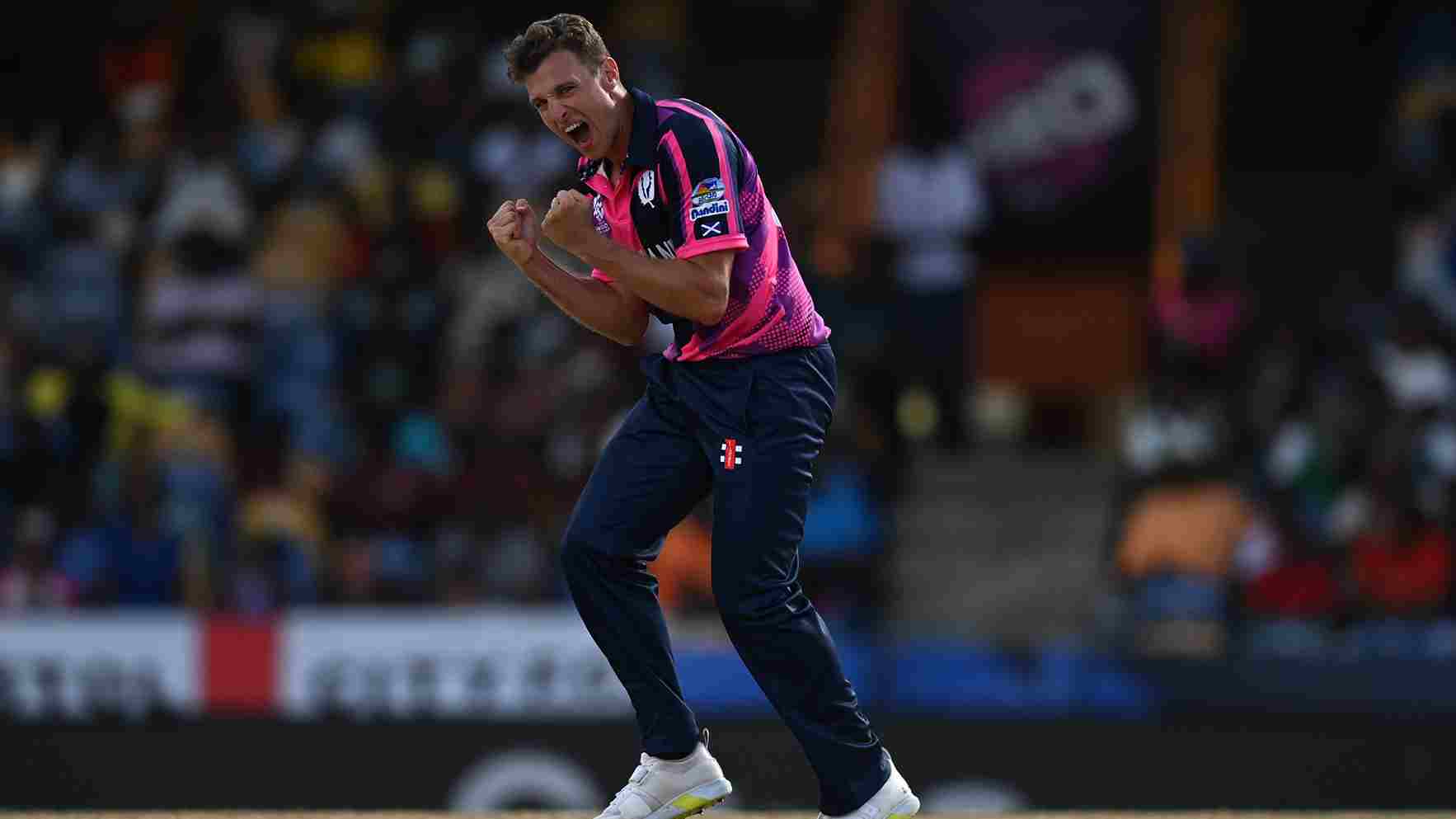
Professional cricketer Brad Wheal has officially announced his retirement from the sport at the age of 30. The fast bowler, who has been a prominent fixture for both Hampshire and Scotland, confirmed his decision this week, citing a series of persistent injuries that have hampered his ability to perform at the required intensity for competitive cricket.
Wheal’s decision brings to an end a professional career that spanned an entire decade. Over the course of his ten-year tenure, the seamer gained a reputation for his accuracy and ability to trouble batters in both the domestic County Championship and on the international stage with Scotland. However, the physical toll of fast bowling eventually became too significant for him to continue at the elite level.
Known for his contribution to the Hampshire side, Wheal’s departure marks a difficult transition for the team. Despite his efforts to rehabilitate and return to full fitness, the recurring nature of his injuries proved to be an insurmountable hurdle. The announcement follows a period of reflection for the player, who ultimately concluded that he could no longer sustain the physical demands inherent in the life of a professional fast bowler.
Throughout his time in the game, Wheal made a lasting impact on his teammates and the coaching staff. His ability to deliver consistent spells earned him respect within the dressing room at Hampshire and made him a vital component of the Scottish national squad during various international campaigns and ICC tournaments. His international career was defined by high-pressure moments where he often stood as a reliable bowling option in the death overs.
The announcement has sparked reflections on the physical nature of professional cricket. Fast bowlers, in particular, face a disproportionately high risk of injury due to the repetitive stress placed on their bodies during long spells and intensive training regimes. Medical experts within the sport frequently highlight how the demands of the modern schedule, which often involves moving between formats, can exacerbate pre-existing vulnerabilities.
For supporters and followers of the sport, Wheal’s retirement serves as a poignant reminder of the fragility of a professional athlete's career. While many cricketers aim for long-standing careers extending into their mid-thirties, physical fitness often dictates an earlier exit for those engaged in the most strenuous roles. His departure leaves a void in the bowling attack for his respective sides, as they look to reconfigure their line-ups in his absence.
As he steps away from the pitch, colleagues and the wider cricketing community have acknowledged his dedication and contribution to the sport. While his transition to post-cricket life has not yet been detailed, it is expected that he will continue to maintain ties with the game in some capacity. For now, the focus remains on his recovery and the appreciation of a career cut short by the very physical realities he successfully navigated for ten years.







Comments