


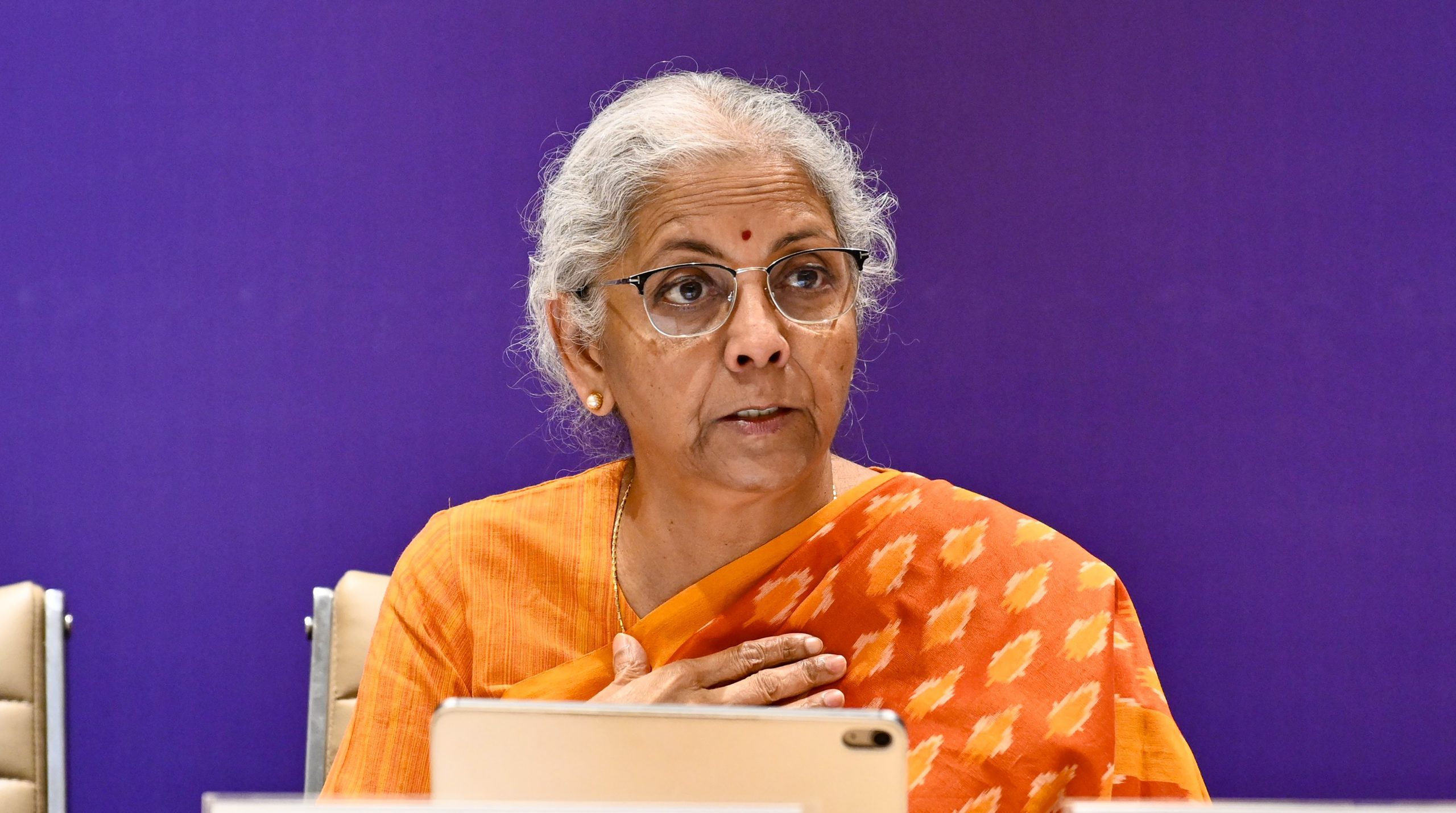
Union Finance Minister Nirmala Sitharaman has expressed a strong desire for the early finalization of a trade agreement between India and the United States. Speaking during a discussion with foreign policy expert Michael Kugelman at the Atlantic Council in Bangkok, the minister underscored that a timely conclusion of the deal would serve the best interests of both nations and facilitate broader global trade dynamics.
The statement comes amid ongoing discussions regarding the framework of the bilateral agreement. Union Commerce and Industry Minister Piyush Goyal, who is also closely involved in the negotiations, recently confirmed that the first phase of the trade deal has been finalized and is currently undergoing legal drafting. Goyal expressed confidence that the agreement would become operational soon, provided that India secures a competitive export advantage within the American market.
Progress on the negotiations has been steady, with US Ambassador to India Sergio Gor characterizing the pace of the talks as “incredible,” noting that the most significant items have already been addressed. The two nations previously agreed to a framework earlier this year, which notably reduced punitive tariffs on a majority of Indian goods from 50% to 18% in August 2025. Current data highlights the importance of this relationship, as the United States remains India’s largest goods export destination. In the first half of the current fiscal year ending in March 2027, exports to the US rose by 11% compared to the previous year, reaching a total of $50.8 billion.
Despite this progress, geopolitical tensions pose potential challenges. New US legislation granting President Donald Trump the authority to impose tariffs of up to 100% on countries purchasing Russian oil has caused some concern in New Delhi. The Indian government has maintained that it will continue to prioritize the energy security of its 1.4 billion citizens, taking all necessary measures to protect the country's interests.
Beyond bilateral trade, Minister Sitharaman addressed India’s domestic economic trajectory, noting that the country has maintained its momentum as the fastest-growing major economy since the 2021-22 fiscal year. Both the World Bank and the IMF have recently revised their growth projections for India for FY27, raising them to 7.1% and 7%, respectively, following a robust 7.8% expansion in the June quarter. The minister attributed this success to a disciplined focus on public spending and infrastructure development.
Sitharaman explained that the government’s shift toward capital expenditure since 2020 has acted as a critical multiplier for the economy, particularly when private investment remained subdued. With the FY27 capital expenditure budget set at ₹12.22 trillion, and an effective capital expenditure potentially exceeding ₹17 trillion, the government aims to sustain this growth. “When you spend public money on building infrastructure, the multiplier that it creates is different from what it would be if you were to put that money in the hands of the people directly,” she noted.
Finally, the Finance Minister addressed the role of international financial institutions, urging the World Bank and the International Monetary Fund to become more “nimble-footed.” She emphasized that as Bretton Woods institutions, they must adapt to 21st-century realities and provide faster solutions for countries facing balance-of-payments crises. Highlighting that many nations often wait years for support, she advocated for swifter interventions, particularly regarding emerging issues like cross-border digital payments and central bank-driven currencies.








Comments