


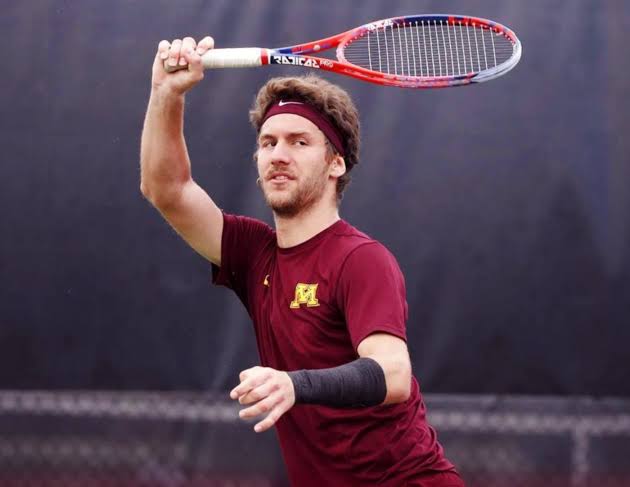
In a significant move to uphold the integrity of the sport, the International Tennis Integrity Agency (ITIA) has imposed a 24-year suspension on Serbian tennis player Stefan Milicevic. The decision, announced on Thursday, effectively bars the 29-year-old from all professional tennis-related activities, including competing, coaching, or attending any tournaments sanctioned by major governing bodies such as the ATP, WTA, Grand Slams, or national tennis associations. The ban will remain in effect until October 2050, when the player reaches the age of 53.
The disciplinary action follows an extensive investigation into allegations of systemic corruption. According to the ITIA, Milicevic was involved in the manipulation of match outcomes and the recruitment of other professional players into an illicit network. The agency specifically accused him of fixing or attempting to fix twelve matches between 2022 and 2024. Among these incidents, the investigations determined that Milicevic was personally involved in playing in five of the six matches identified as fixed.
Beyond the match-fixing charges, the ITIA highlighted the athlete's role in allegedly establishing a corrupt network. Investigators suggested that this network prompted other players to engage in match manipulation, though the specific identities of these individuals and the details of the matches remain undisclosed by the agency. To compound the severity of his case, the ITIA noted that Milicevic refused to cooperate throughout the investigative process. Despite seven distinct attempts by the agency to contact him regarding their findings, the player failed to respond, a factor the ITIA cited as influential in determining the length and harshness of the final sanction.
Milicevic, who primarily competed in lower-tier tournaments throughout his career, had achieved a career-best singles ranking of 1,338 in 2014. In addition to the multi-decade ban, he has been ordered to pay a fine of $70,000. The ruling represents one of the most stringent penalties issued by the ITIA recently, reflecting the agency’s intensified efforts to curb corruption and protect the legitimacy of professional tennis.
This case follows closely on the heels of another major disciplinary action within the sport. In December, French tennis player Quentin Folliot received a 20-year ban after being identified as a central figure in a separate match-fixing network. Folliot, who attained a career-high singles ranking of 488 in 2022, was found guilty of violating anti-corruption regulations concerning 10 matches played between 2022 and 2024, leading to the upholding of 27 out of 30 charges brought against him.
The sanctions against both Milicevic and Folliot underscore the challenges faced by tennis officials in addressing corruption in lower-tier circuits. By imposing long-term bans and substantial financial penalties, the ITIA aims to deter players from engaging with syndicates that seek to manipulate scores for profit. For the time being, Milicevic is completely ostracized from the sport, marking a definitive end to his professional tennis career as he begins his long suspension.








Comments