


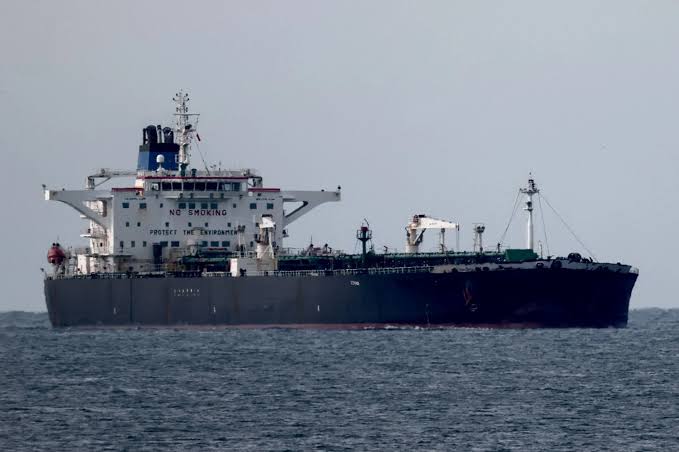
The United States administration is exploring the possibility of easing sanctions on a segment of oil tankers currently linked to Russia and Iran. According to individuals familiar with the matter, the proposal aims to expand global shipping capacity, which officials hope will help reduce the surging diesel prices affecting the US economy ahead of the upcoming November midterm elections.
US Energy Secretary Chris Wright introduced the proposal during the World Petroleum Conference held in Riyadh, Saudi Arabia, earlier this week. The core argument for the policy shift is that a significant shortage of available tankers has created a logistical bottleneck, driving up global freight rates and, consequently, domestic fuel costs. The US Treasury Department's Office of Foreign Assets Control (OFAC) indicated that it might authorize such transactions on a case-by-case basis, provided that the vessels are purchased by legitimate operators and restored for lawful commercial use.
This policy consideration comes at a time when the White House is facing pressure due to rising consumer inflation, which hit 3.7 percent in September. Despite various measures, including encouraging allies to release more diesel and the implementation of an executive order allowing tax-free red diesel for road use, prices remain high. As of Thursday, diesel was retailing at an average of $6.31 a gallon, only slightly below the recent record high of $6.53.
Industry analysts have expressed skepticism regarding the efficacy of this strategy. Data from Energy Aspects suggests that between 13% and 19% of the global tanker fleet is currently under US sanctions. However, experts point out that many of these ships are elderly and in poor condition, which may severely limit their utility in modern commercial shipping. Furthermore, the research group Kpler has suggested that the measure might have virtually no impact on the current market crisis, noting that high prices are driven more by war-related risks in the Middle East than by a simple lack of vessels.
The potential easing of these restrictions has drawn criticism from international observers. Italian Prime Minister Giorgia Meloni recently voiced concerns regarding reports of the US planning to purchase diesel from Russia, describing it as a “very risky choice” that undermines the international economic pressure being applied to the Vladimir Putin administration to conclude the conflict in Ukraine.
There is also internal debate within the US regarding the potential repercussions of this policy. Observers such as Bob McNally, president of Rapidan Energy, noted that the administration is searching for any available solution to suppress fuel prices before the elections, even if the effectiveness of such policies remains questionable. The administration now faces the challenge of balancing domestic economic relief against the geopolitical consequences of weakening sanctions on nations involved in active conflicts.
Ultimately, the move remains a contentious strategy. If the government proceeds with relaxing these sanctions without achieving a material improvement in fuel supplies, it risks inviting criticism for compromising foreign policy objectives without providing meaningful financial relief to American consumers at the pump. The International Energy Agency has warned that the global diesel shortage may persist until mid-2027, highlighting the long-term difficulties of navigating current energy market instabilities.








Comments