


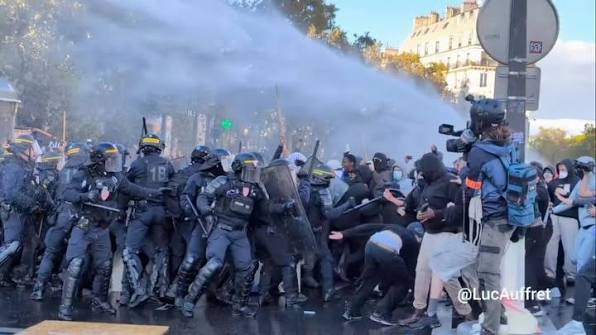
Tensions flared in Buenos Aires on Wednesday as demonstrators gathered near the legislative heart of the city to demand the immediate implementation of a law designed to increase funding for public universities. The protest, which drew thousands of students, professors, and administrative staff, aimed to pressure the administration to address the deepening financial crisis facing Argentina's higher education sector.
As the afternoon progressed, the situation near the parliament building turned confrontational. Demonstrators, who had arrived with banners and placards denouncing recent budget cuts, found themselves facing a heavy security presence. Reports from the scene indicated that clashes erupted between police and segments of the crowd after barricades were pushed, leading to the use of deterrents by law enforcement to disperse protesters attempting to approach the legislative chambers.
The central point of contention is a legislative push to boost funding for public universities, which supporters argue is essential to keep campuses operational amid record-high inflation and mounting utility costs. University administrators have repeatedly warned that without a significant infusion of government support, the quality of education and research capabilities at several major institutions could face a long-term decline. They have cited skyrocketing maintenance expenses and diminished real-term wages for faculty as primary drivers for the current state of unrest.
For many of those present, the demonstration was not merely about fiscal policy but about the fundamental role of public education in Argentine society. Speakers at the protest emphasized that free, state-funded universities have historically been a pillar of upward mobility in the country. They expressed deep concern that current austerity measures, if left unchecked, would effectively lock out thousands of students from the middle and working classes from pursuing higher education.
Government officials have maintained that fiscal responsibility remains their top priority as they attempt to stabilize the national economy. They have previously expressed reservations about mandatory spending increases that fall outside the current executive budget plans. The administration argues that structural reforms are necessary to achieve long-term economic stability, even if these decisions prove politically and socially unpopular in the short term.
The standoff on Wednesday reflects a broader trend of protests that have swept through the capital in recent months as citizens respond to varying legislative and economic adjustments. Observers note that the university sector has become a particularly vocal flashpoint, as student unions are highly organized and historically significant in the nation's political landscape. Political analysts suggest that the ongoing dialogue between the academic community and the government will likely define the tenor of legislative sessions in the coming weeks.
Looking ahead, it remains unclear whether the government will concede to the protesters' demands or if the legislature will be forced to revisit the funding bill under continued public pressure. Student leaders have indicated that they are prepared to continue their mobilization efforts until a concrete agreement is reached. For now, the streets of Buenos Aires remain a site of contention as both the government and the university community wait to see how the next chapter of this budget battle unfolds in the corridors of power.








Comments