


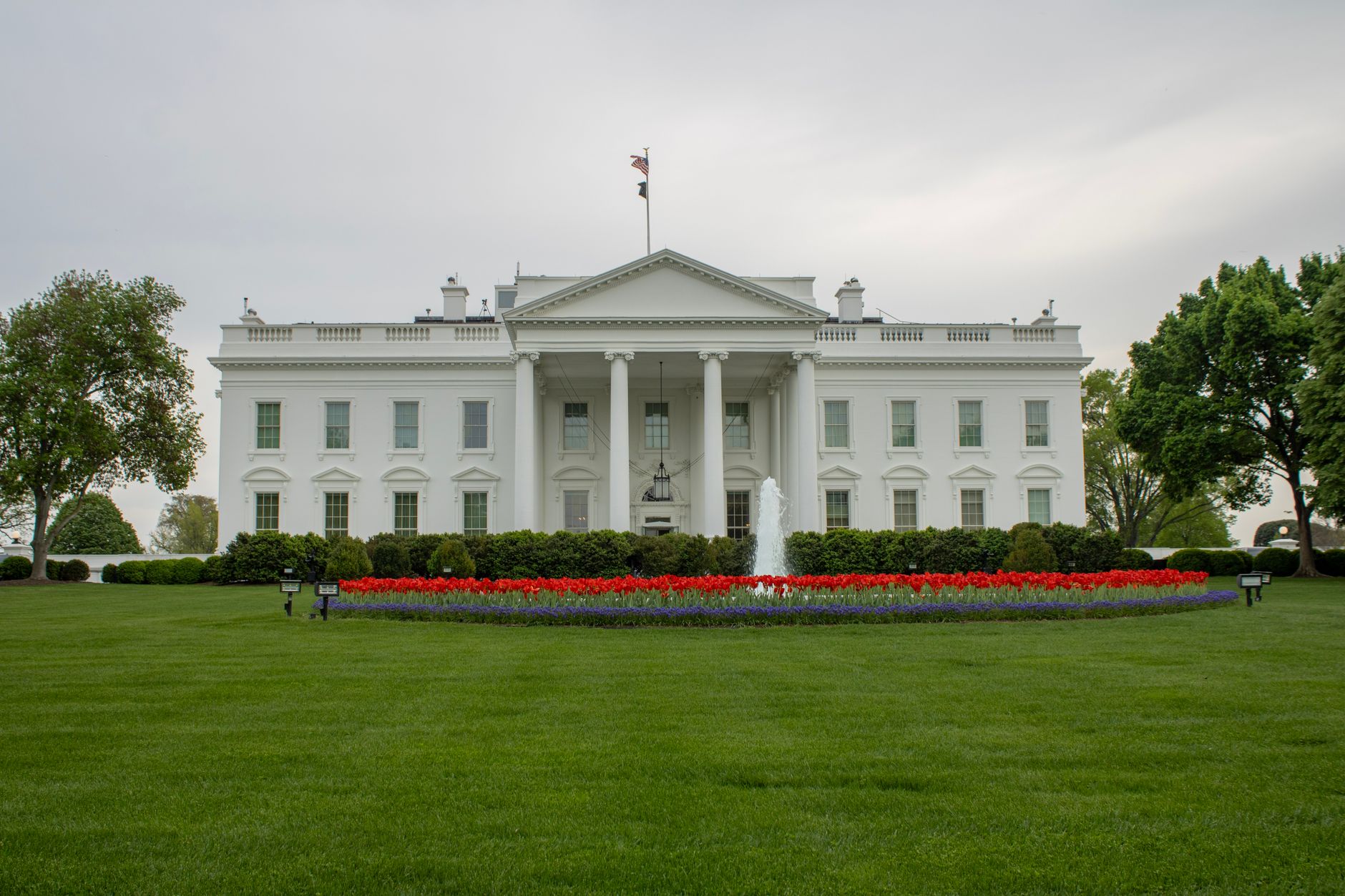
A list of donors funding the construction of President Donald Trump’s White House ballroom has been made public, revealing that several major technology corporations and prominent figures were among the top contributors to the $333 million initiative. According to reporting by The Washington Post, the document records 67 donations exceeding $10,000 as of late last month. The project, which involves the renovation of the White House, has been financed exclusively through private funding.
President Trump previously stated that the project would be paid for by himself and his associates, asserting that it would be funded entirely without public money. The disclosed list highlights the significant role of private capital, with approximately $77 million of the total fund provided by donors who requested their identities remain anonymous. More than three-quarters of the total project funding originated from commitments of $5 million or more, though the project also received smaller contributions.
The list includes substantial donations from several of the world's largest technology companies. Apple, Nvidia, and the Adelson family, known as significant Republican donors, each contributed $25 million to the project. Charles Ergen, the co-founder and chairman of Dish Network, also matched this $25 million contribution. Google reportedly contributed $22 million, a figure linked by reports to a $25 million settlement between the company and the President following a platform ban.
Other notable corporate contributions include $10 million each from Microsoft, Lockheed Martin, Palantir Technologies, and RHI II LLC. Amazon, Cisco, Meta, and T-Mobile each donated $5 million, matching a contribution from Kelly Loeffler, the head of the Small Business Administration, and her husband, Jeff Sprecher. Furthermore, the cryptocurrency sector committed more than $18 million to the effort, with the largest share coming from Tyler and Cameron Winklevoss, who donated Bitcoin valued at just over $5 million.
The report noted that while there is no evidence of the donations resulting in specific political favors, a significant portion of the funds originated from entities with interests before the federal government. Approximately half of the total funds were provided by companies or individuals leading companies that held federal contracts during President Trump’s second term. The Washington Post highlighted several instances where companies engaged in government-related activities shortly before or after their donations.
For example, Nvidia became a top donor in October 2025, approximately three months after finalizing a pact with the administration to sell advanced microchips to China. Documents indicated that Nvidia requested its donation be kept anonymous. In the case of Charles Ergen, the Federal Communications Commission (FCC) had initiated an investigation into his company, EchoStar, in May 2025. Following the withdrawal of the probe by FCC chair Brendan Carr in September, Ergen made two donations of $12.5 million each in December and February.
The documentation also shows that a subsidiary of Rocket committed $10 million to the project three weeks after the Federal Housing Finance Agency made a decision regarding the company. As the project continues, the scale of private influence on such construction initiatives remains a point of public and regulatory interest, particularly given the overlap between major donors and federal contractors.








Comments