


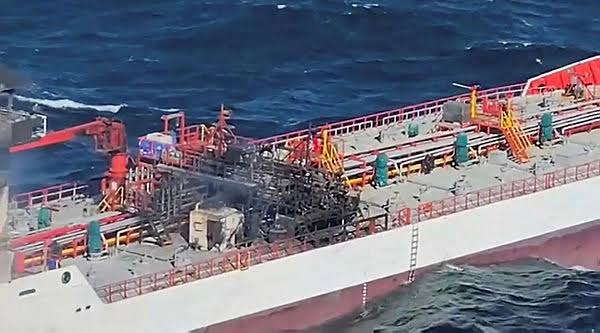
Emergency rescue teams are currently engaged in a critical search operation in the Black Sea following a series of drone attacks that targeted two chemical tankers, leaving seven crew members missing. The incident has intensified concerns over the safety of commercial navigation in the region, which has seen heightened maritime tensions and military activity over the past year. Local authorities confirmed that the search for the missing individuals is ongoing, with vessels and surveillance aircraft deployed to scour the area where the strikes occurred.
Reports indicate that the vessels were operating in international waters when the attacks were launched, catching the crews off guard. While preliminary assessments of the tankers are underway, officials have yet to confirm the full extent of the damage sustained by the hulls of the ships. The primary focus for the maritime agencies involved remains the preservation of life, with responders battling both the aftermath of the explosions and the logistical challenges of conducting a search operation in a contested maritime corridor.
The Black Sea has become a flashpoint for regional security, with shipping lanes frequently becoming entangled in the broader geopolitical instability. Commercial vessels, particularly those transporting chemicals and fuel, are required to exercise extreme caution as they navigate these corridors. The use of drones in this specific incident marks a shift in the operational tactics reported in the area, raising questions about the evolving risks posed to non-military craft that are not equipped with sophisticated defensive armaments.
Maritime experts have noted that the sudden nature of the drone strikes leaves little time for crews to implement standard emergency protocols. When tankers are hit, the primary danger often shifts rapidly from the initial impact to secondary fires or the potential for catastrophic leaks, both of which threaten the safety of everyone on board. The seven individuals currently missing are presumed to have been either on the affected decks during the time of impact or forced to abandon ship in the immediate chaos that followed the strikes.
As the rescue mission progresses, international regulatory bodies are likely to review safety guidelines for vessels operating in or near the Black Sea. The incident serves as a stark reminder of the fragile balance between global supply chain requirements and the risks inherent to maritime transit in conflict-adjacent zones. For now, the global shipping community remains in a state of high alert as they wait for updates from the rescue coordinators on the ground regarding the fate of the missing crew members.
Future investigations are expected to focus on the origin of the drones and the specific security failures that allowed for such a targeted attack on civilian tankers. Identifying those responsible will be a priority for regional security analysts, though the complexity of the maritime environment often complicates attribution efforts. Meanwhile, the owners of the affected chemical tankers are reportedly cooperating with local authorities to provide necessary information and support for the ongoing search efforts.
The broader implications of this attack could lead to increased insurance premiums for ships traversing the Black Sea, as risk assessments for the area are recalibrated following this latest escalation. If such incidents continue, there is a tangible risk that shipping companies might opt for longer, more expensive routes to avoid the area entirely, which would inevitably impact regional trade and the supply of goods. For the families of the seven missing sailors, however, the focus is singular and immediate: the hope that search crews will soon provide news of their safe recovery.








Comments