


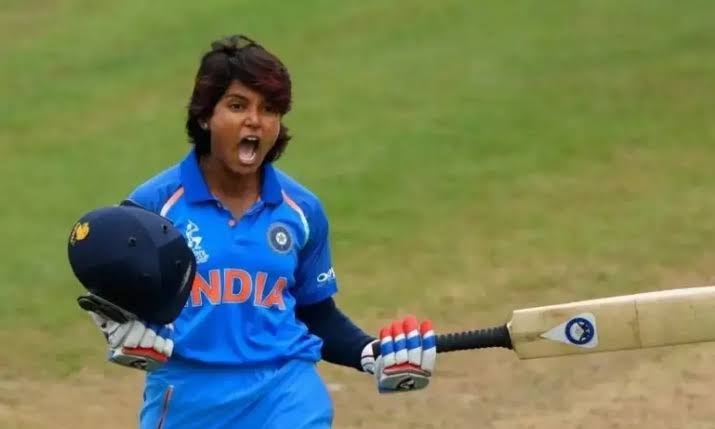
Punam Raut, a stalwart of the Indian women's cricket team known for her technical proficiency and composure at the crease, has announced her retirement from international cricket. Her departure brings to a close a long and distinguished career that saw her become a vital component of the Indian batting lineup across all formats. Over the course of her tenure, Raut established herself as one of the most reliable top-order batters, contributing significantly to the team's transition into a globally competitive force.
Throughout her career, Raut’s presence on the field was defined by a calm temperament and an ability to anchor innings in challenging conditions. Her contribution to Indian cricket is perhaps best highlighted by her participation in three editions of the ODI World Cup and four T20 World Cups. Her experience in these high-stakes tournaments provided stability to the Indian squad, helping them navigate the pressure of major global events against some of the world's most formidable bowling attacks.
Among the many highlights of her playing days, one achievement stands out for its statistical significance in the history of the sport. In a 2017 ODI encounter against Ireland, Raut was involved in a record-breaking opening stand of 320 runs alongside teammate Deepti Sharma. This remarkable performance showcased her ability to build long-lasting partnerships and dictate the flow of a game, leaving an indelible mark on the record books. This feat remains a testament to her concentration and her partnership chemistry at the international level.
For fans and followers of Indian cricket, Raut was more than just a consistent run-scorer; she represented a generation of players who helped elevate the profile of the women’s game. Her approach to batting, which often prioritized defensive solidity and placement over raw aggression, was a hallmark of her style. As the sport has evolved toward more aggressive, power-hitting strategies, Raut’s fundamental approach remained a bridge between the traditional and modern eras of the game.
The impact of her retirement will likely be felt in the immediate team composition as selectors look to fill the void left by an experienced campaigner. Her absence from the top order will require the team management to identify and groom players capable of replicating her ability to handle the new ball and maintain a steady strike rate during the crucial powerplay and middle-over phases of an ODI match.
As she steps away from the international stage, the cricketing fraternity has begun to reflect on her contributions, acknowledging the silent hard work that goes into building a career of such longevity. While the specific reasons for her decision to retire at this juncture remain a personal matter, her exit is viewed as a natural conclusion to an illustrious period for Indian women’s cricket. Supporters and fellow cricketers have noted her dedication to the craft, emphasizing the long-term influence she had on younger players coming through the domestic system.
Moving forward, the focus for the national team shifts to the next generation of talent who must now step up to take on the responsibility once shouldered by seasoned veterans like Raut. Her legacy will be defined not just by the runs she scored, but by the standards of discipline and professional conduct she maintained throughout her career. While her journey in the international arena has concluded, her transition into the next phase of her life marks a significant milestone for a player who played a pivotal role in the evolution of Indian women's cricket over the last decade.








Comments