


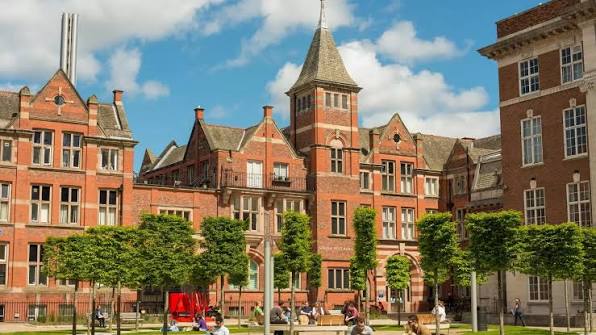
The University of Liverpool marked a significant milestone in international academic collaboration on Thursday with the official inauguration of its first South India campus in Bengaluru. The new facility, established in a relatively short timeframe, is designed to provide students with the opportunity to earn international degrees locally. The launch ceremony was attended by the university’s vice-chancellor, Tim Jones, and the British Deputy High Commissioner, Harsh Vardhan Shringla.
Karnataka’s Industries Minister, MB Patil, noted that the arrival of the university was the result of strategic discussions held in London in November 2024. During that visit, government representatives sought to attract foreign investment specifically targeting the state’s research, higher education, and industrial sectors. By establishing a physical presence, the University of Liverpool joins a growing list of global academic institutions looking to tap into the region's robust educational infrastructure.
The state government views this partnership as a key step in bridging the gap between classroom learning and industrial application. With Karnataka home to approximately 2.7 million students across 4,500 colleges—and producing roughly 160,000 engineering graduates annually—the state possesses a significant talent pipeline. Minister Patil emphasized that the university is expected to partner with these local institutions and regional companies to create a cohesive ecosystem that links high-level research with market-ready industry skills.
Specific areas identified for potential joint research include artificial intelligence, advanced manufacturing, biotechnology, and clean energy. Furthermore, the collaboration is expected to focus on urban innovation and sustainable development, fields that align with Karnataka's long-term industrial policy goals. These academic and research-oriented activities are part of a broader push to position the state as a leading destination for international knowledge-sharing.
Looking ahead, the development of specialized research labs and campuses is expected to take place within KWIN City in the coming years. This infrastructure project forms part of the government’s wider commitment to providing necessary support and facilities for foreign institutions choosing to set up operations in the state. The administration remains optimistic about the scale of this effort, noting that more than 14 foreign universities have already expressed interest in opening campuses in Karnataka.
As these agreements translate into tangible projects, the state government plans to continue its policy of active facilitation. By encouraging these international linkages, officials hope to sustain the momentum in the education sector and ensure that local students remain competitive in the global job market. The launch in Bengaluru serves as a template for how the state intends to manage the integration of global curricula with regional engineering and scientific prowess.
The University of Liverpool’s presence in Bengaluru is expected to evolve alongside these institutional partnerships. While the primary focus remains on academic excellence and research, the long-term impact on Karnataka's educational landscape will be determined by how effectively these new international programs align with the state’s existing technological and industrial roadmap. The government has indicated that it will remain a central point of contact for institutions navigating these new cross-border educational arrangements.








Comments