


Pakistan has recorded the most concerning performance in South Asia regarding the 2026 Global Hunger Index (GHI), according to a report titled “No Security Without Food Security.” The findings highlight a deepening crisis of food insecurity across the region, fueled by a volatile combination of economic instability, persistent food inflation, and the growing frequency of climate-related disasters. The report was produced through a collaboration between the German aid organisation Welthungerhilfe, the Institute for International Law of Peace and Armed Conflict at Ruhr University Bochum, and the Swiss organisation Helvetas.
Data cited in the report reveals that progress in curbing hunger across South Asia has largely stalled in recent years. While the region’s overall GHI score of 23.5 places it in the “serious” category, the vast majority of improvements were recorded prior to 2018. Since that threshold, both Pakistan and Afghanistan have witnessed a tangible deterioration in their status, with Pakistan’s undernourishment indicator sliding from a low level to a medium level. Furthermore, child wasting in Pakistan is now approaching the high-severity threshold, reflecting critical gaps in child nutrition.
Economic turmoil and soaring food prices have been identified as primary drivers of the crisis. These factors have significantly eroded the purchasing power of households, leaving many families unable to afford basic, nutritious meals. While Pakistan and Afghanistan have managed to move out of the “alarming” hunger category over the last two decades, the persistence of child malnutrition remains a significant hurdle. Although child stunting rates have shown a downward trend in Pakistan, the broader challenges of food access and affordability continue to plague the population.
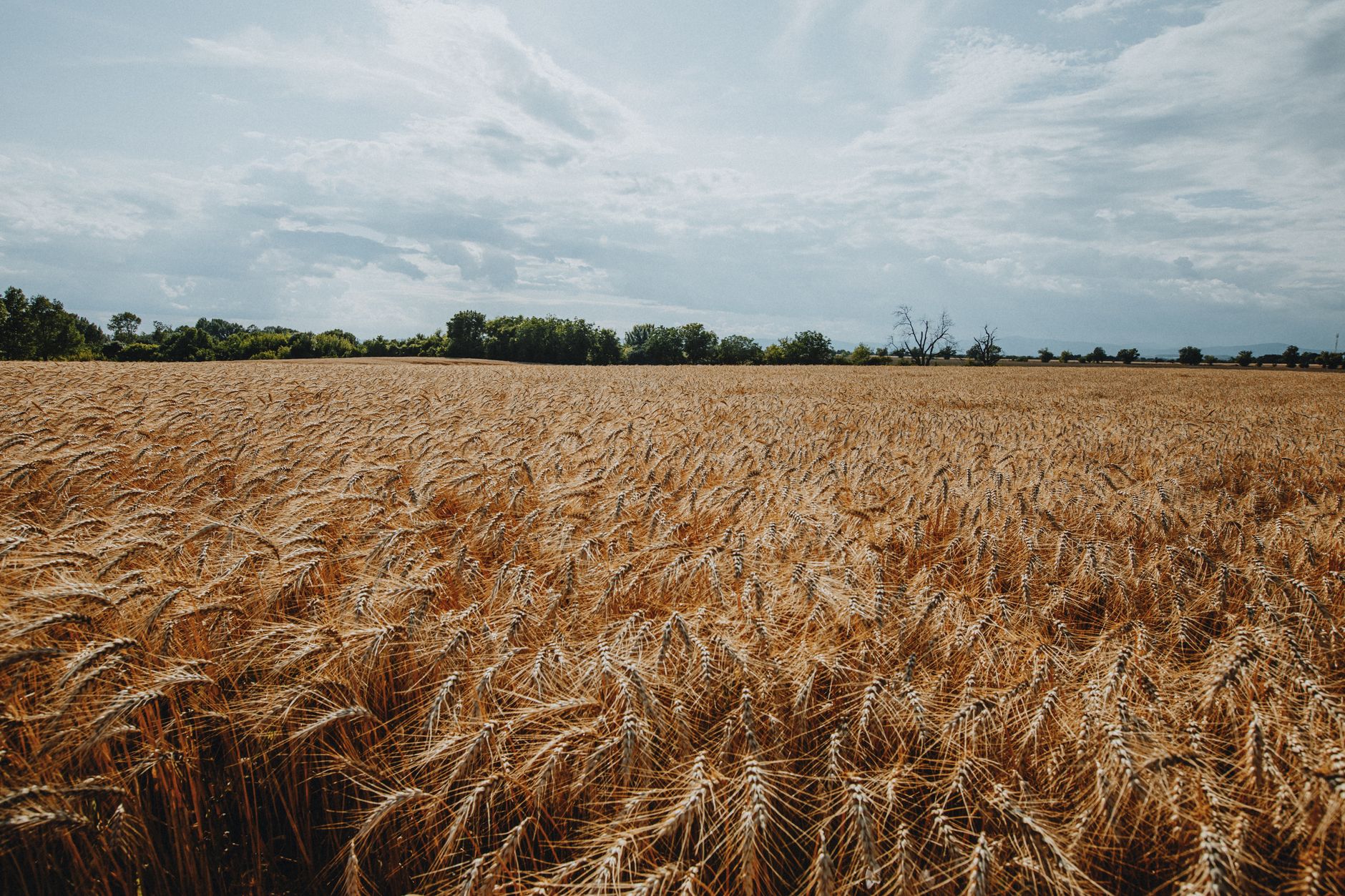
Environmental factors have further exacerbated the situation, as extreme weather patterns increasingly disrupt agricultural cycles. The report highlights how heavy rainfall and subsequent flooding damaged essential crop production in parts of Pakistan and Bangladesh throughout 2026. Similar climate pressures have affected the region at large, with Afghanistan experiencing disrupted cereal-growing seasons due to a combination of inadequate rainfall and unusually high temperatures. Experts warn that if these climate-related shocks continue, they could further aggravate food shortages and lead to prolonged periods of acute insecurity.
The scale of the regional challenge is underscored by estimates from the Food and Agriculture Organization (FAO), which suggest that approximately 218 million individuals across South Asia experienced undernourishment between 2023 and 2025. This figure represents nearly one-third of the global population affected by undernourishment during the same timeframe. The concentration of such high numbers of undernourished people underscores the urgency of addressing systemic economic vulnerabilities.
Despite the overall decline in hunger compared to the year 2000, when the region held a much higher GHI score of 37.5, the recent stagnation indicates that the path toward food security is fraught with new risks. Child mortality rates have improved across the region, falling from very high levels at the turn of the century to medium levels in the latest assessment. However, current indicators suggest that these gains are under threat from the combined pressures of economic instability and climate change.
The report concludes that sustained, coordinated efforts are essential to navigate these challenges. Policymakers are urged to focus on stabilizing economic conditions to protect household incomes while simultaneously strengthening agricultural resilience. Improving access to nutritious food and preparing the food supply chain to withstand extreme weather shocks remain critical priorities for South Asian nations to prevent further slippage in their humanitarian indices in the coming years.







Comments