


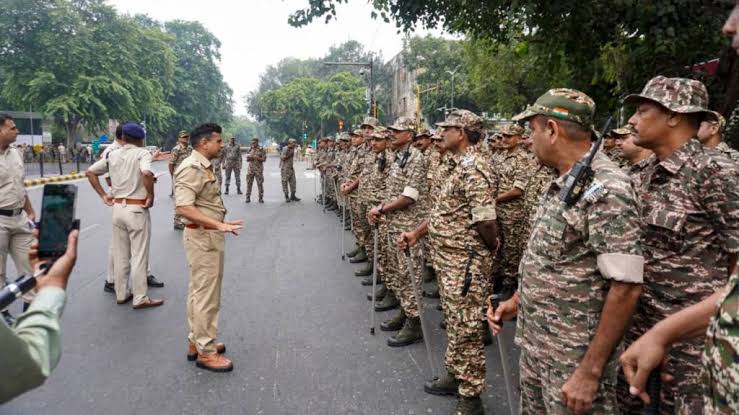
The Delhi Police has announced it will take “appropriate steps” against the Cockroach Janta Party (CJP) and its founder, Abhijeet Dipke, ahead of a planned protest assembly in the national capital. The group had scheduled a ‘Lehra Do Tiranga’ gathering at Connaught Place for October 16. In response to the planned demonstration, law enforcement authorities have officially denied permission for the assembly, citing concerns over public order and the potential for civil disruption.
The announcement of impending police action was disclosed during a hearing at the Delhi High Court on Thursday. The court session was prompted by a plea filed by Anil Kumar Gupta, a licensed street vendor who operates a garment business at Palika Bazar. In his petition, Gupta argued that the proposed protest gathering would cause significant economic hardship by obstructing businesses in the busy commercial hub of Central Delhi. The vendor requested judicial intervention to prevent the demonstration from taking place at the specified location.
The CJP’s planned assembly is the latest in a series of protest activities led by the organization. The group is primarily campaigning against the Special Intensive Revision (SIR) process and is demanding the immediate resignation of Chief Election Commissioner Gyanesh Kumar. This development follows a period of heightened tensions, occurring shortly after a substantial police crackdown on a previous protest initiative organized by the same group on October 10.
The legal and administrative response to the CJP’s activities has been intense. According to statements made by law enforcement, the decision to restrict the group’s gatherings is rooted in recurring legal violations and instances of social media incitement. Delhi Police officials have previously noted that such activities have necessitated stern measures, leading to the detention of various leaders associated with the organization at Tihar Jail.
The broader political context involves an ongoing conflict between the CJP and established political entities, including the opposition INDIA bloc, both of which have been vocal in their demands regarding the rollback of the SIR and the removal of the Chief Election Commissioner. The planned assembly at Connaught Place represents a continuation of these political grievances, which have frequently spilled over into the public sphere, prompting a reactive posture from the Delhi administration.
Beyond the legal proceedings, the impact of the city's protest management strategy is evident in the surrounding infrastructure. Authorities have reportedly made significant operational adjustments, including the scheduled closure of 57 Delhi Metro stations from 9 PM onwards, ahead of the planned demonstration. This measure highlights the security concerns held by the administration regarding the potential scale and nature of the CJP’s planned public presence.
As the date of the proposed assembly approaches, the situation remains fluid. The Delhi Police’s declaration to the High Court suggests a firm stance against the gathering, and further legal actions against the organization and its leadership are expected. Meanwhile, the judiciary continues to evaluate petitions from local business owners who remain concerned about the impact of frequent demonstrations on the daily operations of traders in the Connaught Place area.








Comments