


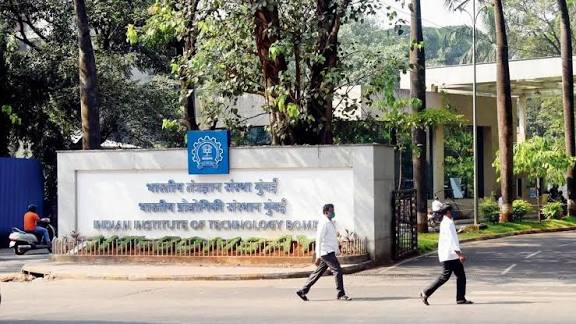
In a significant move aimed at curbing exclusionary practices, the administration of the Indian Institute of Technology (IIT) Bombay has issued a formal reminder regarding its anti-discrimination guidelines. The directive, communicated by the dean to the student body, follows the death of 20-year-old student Sahil Wakode at the institute’s hostel campus. The administration has explicitly prohibited students from inquiring about the caste, religion, or socio-economic background of their peers, emphasizing the necessity of creating a campus environment that promotes bonding and inclusivity.
The guidelines extend beyond casual conversation to academic performance metrics. The dean’s message urges students to avoid asking one another about JEE (Advanced) ranks, GATE scores, or other admission-related details that could potentially reveal a student’s caste or background. The institute warned that even inquiries motivated by simple curiosity may inadvertently foster bias or negatively impact the well-being of other students. Furthermore, the directive includes a strict prohibition against the exchange or distribution of abusive, hateful, casteist, or sexist content—including jokes—via email, online platforms, or in-person interactions. The administration underscored that any violation of these rules could lead to severe disciplinary action.
This policy reiterates the institute’s commitment to upholding the constitutional reservation policy in both letter and spirit. The administration stated that it aims to ensure equal opportunities and protection for all students against potential discrimination by faculty, staff, or their peers. To bolster support services, the institute has also reported the recruitment of 20 temporary counsellors, comprising 16 student counsellors and four senior counsellors.
The circumstances surrounding Sahil Wakode’s death remain the subject of an ongoing police investigation. Reports indicate that the student had been caught cheating during an examination and had subsequently submitted a written apology, acknowledging his fault and requesting a second chance. Professor Suryanarayan Doolla, who was named in allegations of harassment, has denied any wrongdoing in his statement to the police. Authorities have thus far recorded statements from more than 20 individuals, including IIT Bombay Director Shirish Kedare and 12 students, while a 10-member committee has been formed by the institute to conduct an internal inquiry.
Despite these measures, the campus has seen escalating unrest. Sahil’s parents have been staging a hunger strike at Mumbai’s Azad Maidan for 13 consecutive days, calling for a thorough, independent investigation and the arrest of officials they hold responsible. Parallel to this, a group of students at the institute’s 'Justice Corner' has been participating in a relay hunger strike for 11 days. Student representatives reported that 30 students have joined the hunger strike to demand institutional accountability and an independent probe into the death.
The protesting students stated that their actions are a response to a lack of clear answers from the administration regarding the concerns they have raised. During the 'Chalo IIT Bombay' demonstration held on Wednesday, various student and social organisations gathered outside the campus to voice their demands for justice. As the investigation continues, the administration faces mounting pressure to address the issues of campus culture, accountability, and student support mechanisms that have been brought to the fore by this tragedy.







Comments