


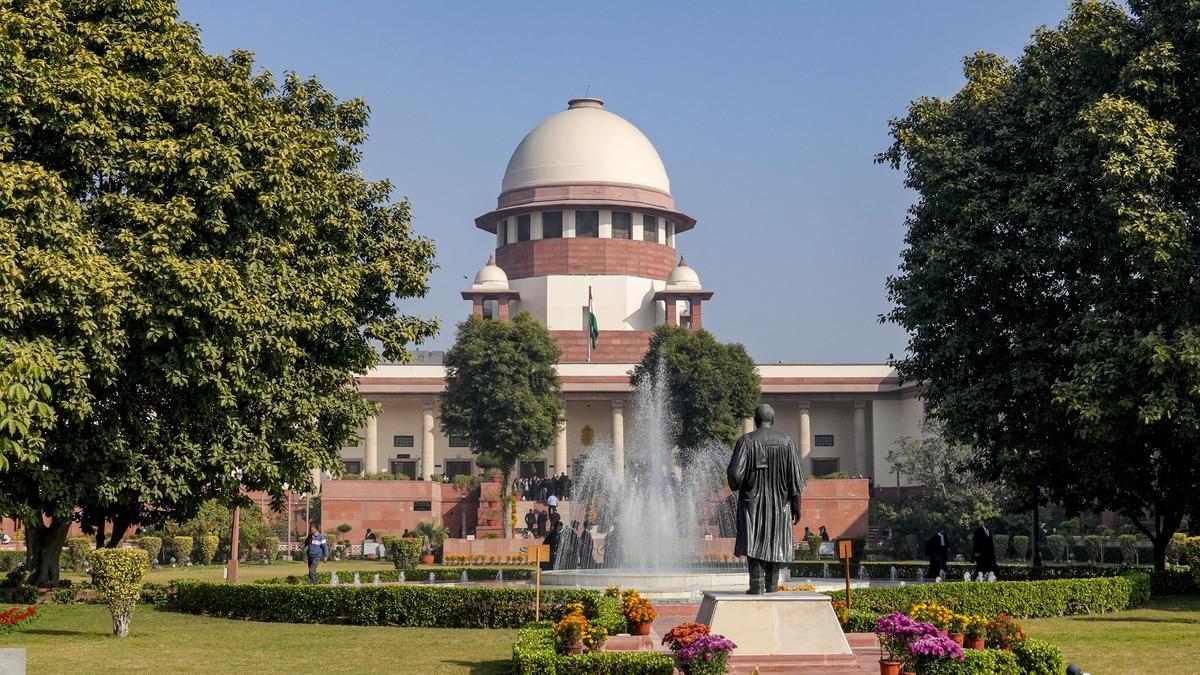
The Supreme Court has intervened in a sensitive legal dispute involving a journalist and a police officer, issuing a directive for a time-bound investigation into allegations of molestation. The case, which stems from an incident during a protest in Delhi, has prompted the bench to grant interim protection from any coercive action to the police official in question, while simultaneously setting clear parameters for the ongoing criminal inquiry.
During the proceedings, the top court stressed that the investigation must be conducted without undue delay, ensuring that the grievance voiced by the journalist is addressed in accordance with the law. By mandating a time-bound completion, the court seeks to balance the rights of the complainant with the due process required for the accused officer during the investigative phase. The court did not delve into the merits of the allegations but focused on ensuring that the judicial process is followed strictly and efficiently.
The dispute emerged following a public protest in the national capital, where the journalist alleged that they were molested by the police personnel present at the scene. The incident sparked immediate discourse regarding the conduct of law enforcement officials while managing demonstrations and the safety of media professionals covering such events. The complaint subsequently led to a legal tussle, culminating in the matter reaching the country's highest court.
Legal experts suggest that such interventions by the Supreme Court are common when there are concerns regarding the pace or impartiality of police investigations in high-profile cases involving law enforcement agencies. By granting interim protection, the court has ensured that the accused officer remains shielded from immediate arrest, a standard practice meant to prevent potential abuse of power during the preliminary stages of an investigation.
The incident has once again turned the spotlight on the relationship between the police and the media during volatile protest situations. Journalists often find themselves at the front lines of civil unrest, and cases of alleged misconduct by security forces remain a point of significant friction. The court’s intervention serves as a reminder of the accountability expected from law enforcement agencies while dealing with civilians, particularly those performing their professional duties as members of the press.
As the investigation proceeds under the oversight of the court, the focus will now shift to the evidence collection process. The police are expected to record statements and review available documentation from the day of the protest to determine the veracity of the claims. The court has made it clear that any deviation from the mandated timeline or procedural requirements will be viewed seriously.
Moving forward, the outcome of this inquiry will likely have implications for how both the police and media navigate future protests in the capital. The case underscores the essential role of the judiciary in acting as an arbiter when tensions between state institutions and the press lead to litigation. All parties are now expected to cooperate with the investigative authorities to ensure a definitive conclusion to the case within the stipulated time frame.








Comments