


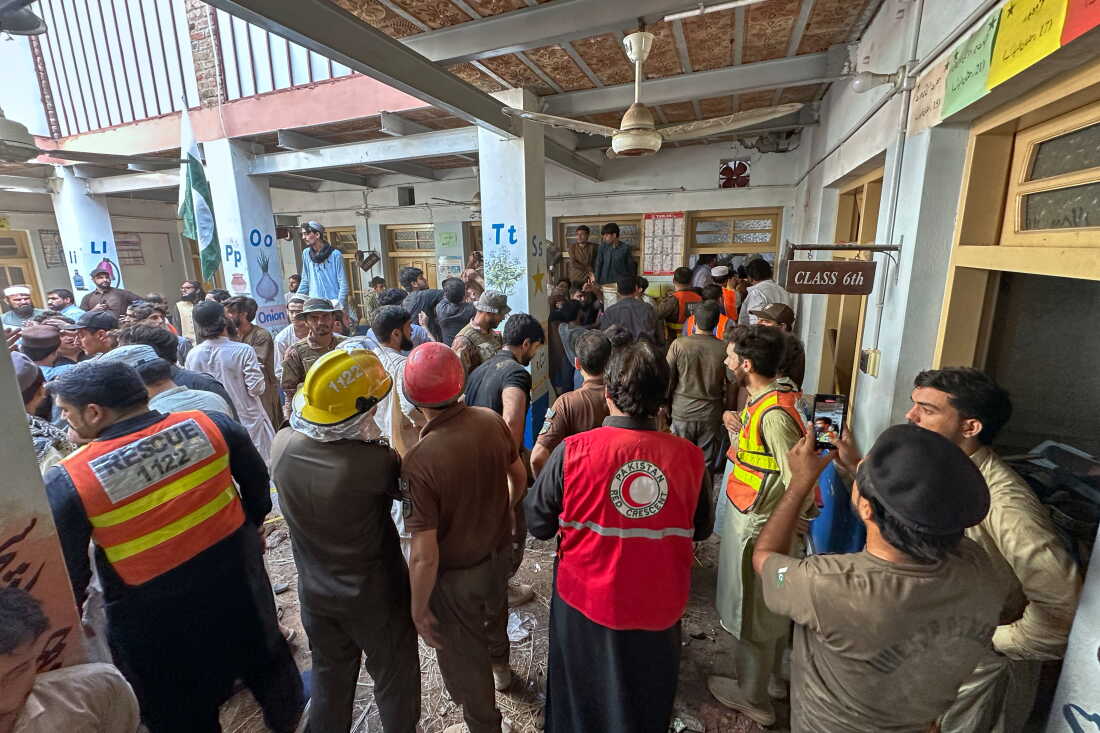
A catastrophic structural failure at a school in Pakistan’s Peshawar city has claimed the lives of at least 21 people, including 20 children and one teacher. The incident, which occurred on Thursday, has triggered a massive rescue operation in the Dir Colony area as emergency teams work to locate individuals still buried beneath the rubble. According to local officials, the tragedy has left more than 40 people injured, prompting an immediate mobilization of medical resources across the city.
Peshawar Capital City Police chief Mian Saeed confirmed that the collapse took place in an inner-city district. As the scale of the disaster became apparent, the Lady Reading Hospital declared a state of emergency to handle the influx of victims. Muhammad Asim, a spokesperson for the hospital, provided the distressing detail that all the children who lost their lives in the collapse were aged 13 or younger. Rescue officials have reported that at least 25 injured children have already been transported to various medical facilities for urgent care.
In the wake of the tragedy, Pakistan Prime Minister Shehbaz Sharif issued a statement expressing his deep grief over the loss of life. He extended his condolences to the bereaved families, as local authorities continue to clear the debris to ensure that no further survivors or victims remain trapped. The cause of the collapse is currently under investigation, though preliminary reports highlight the precarious nature of the building's infrastructure.
Building collapses, particularly involving school structures, have become an increasingly frequent occurrence across Pakistan. Experts often point to a combination of lax safety standards and the widespread use of substandard construction materials as the primary drivers behind these fatal incidents. The tragedy in Peshawar follows a pattern of similar accidents that have plagued the country throughout the year, raising serious questions about building oversight and safety regulations.
Earlier this year, the region witnessed multiple similar tragedies. In July, a portion of the outer wall of a government primary school collapsed near Umerkot, resulting in the deaths of three girls ranging in age from three to 13. During that same month, an under-construction private school building in Lahore’s Baghbanpura neighbourhood suffered a roof collapse, killing one child and injuring at least five others. These incidents have fueled a growing national conversation regarding the vulnerability of school infrastructure.
The frequency of these events has been a cause for significant public concern. In June, a private tuition centre in the Kahna area of Lahore saw 14 children perish when their building's roof gave way. Additionally, just two months prior to that event, a classroom roof collapse at a private school in Dera Ghazi Khan resulted in four fatalities and left 20 people injured. Each successive event has highlighted the urgent need for structural audits and stricter enforcement of building codes.
As the situation in Peshawar remains fluid, the priority for local administration remains the completion of search and rescue operations. Authorities are expected to conduct a thorough inquiry into the collapse to determine whether negligence in maintenance or construction played a role in the building's failure. The government faces mounting pressure to address the systemic failures that have repeatedly put students at risk, as families in Dir Colony mourn the loss of children whose lives were cut short while attending school.







Comments