


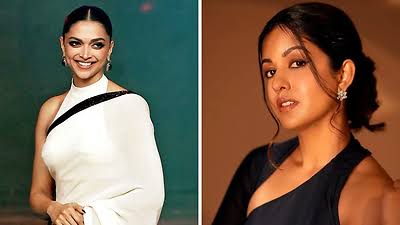
Actor Ishita Dutta has publicly supported the demand for an eight-hour workday, a topic that has gained significant traction within the Indian film industry. In a recent interview, the 'Drishyam: The Conclusion' actress addressed the ongoing debate surrounding Deepika Padukone’s preference for shorter, structured shifts. Dutta emphasised that requesting an eight-hour day is a legitimate professional choice rather than an unreasonable expectation.
Speaking to The Free Press Journal, Dutta noted that individual circumstances vary greatly among performers. She highlighted that while some actors are willing or able to commit to the industry-standard 12-to-15-hour shooting schedules, others may have personal constraints that necessitate different arrangements. According to the actress, the core issue lies not in the refusal of such requests by production houses, but in the negative narrative sometimes directed toward those who voice them.
Dutta clarified that production houses are within their rights to choose who they hire based on project requirements and scheduling needs. "I'm saying giving it or not is your personal choice, so production can say no, but making a big deal about it and trying to not justify it, that is where the problem lies," she said. She added that while there are many actors available who are comfortable with longer hours, their willingness should not be used as a yardstick to undermine or belittle colleagues who require more flexibility.
The conversation regarding work hours has often intersected with the personal responsibilities actors face, particularly motherhood. Drawing from her own experience as a mother of two, Dutta observed that the complexities of balancing professional commitments with family life are often underestimated by those without similar personal responsibilities. She shared that she has previously worked long hours herself, though she noted that she has been fortunate enough to work with makers who were considerate enough to allow her to leave early when needed.
Despite her stance, the actress candidly admitted that she does not yet feel she has the professional standing to dictate such terms in her own contracts. "If you have the place where you can demand, I would also probably demand. I don't think I'm there yet," she explained. Her comments underscore the influence of existing power dynamics within the industry, where established stars often hold more leverage to negotiate working conditions than other performers.
The current discourse gained momentum following reports throughout 2025 regarding Deepika Padukone's reported exit from projects like Sandeep Reddy Vanga’s 'Spirit' and the 'Kalki 2898 AD' sequel, which were attributed in part to disagreements over scheduling. Padukone has previously noted that male superstars have frequently followed similar eight-hour schedules throughout their careers without facing comparable public criticism.
As the debate continues, the industry is left to grapple with broader questions about workplace culture, gender expectations, and the feasibility of standardizing shifts in a field traditionally defined by long, erratic hours. For now, voices like Dutta's are contributing to a growing call for professional respect, regardless of whether a specific request can be accommodated by a production team.








Comments