


Oman Emerges as India's Top LNG Supplier for September
Increased reliance on Omani exports follows ongoing supply chain challenges within the strategically vital Strait of Hormuz
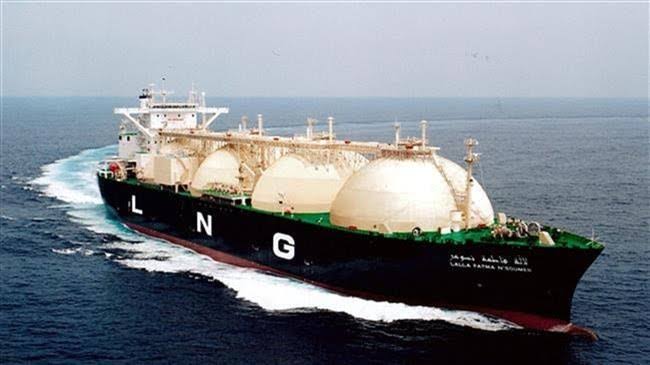
Oman has overtaken the United States to become India’s largest supplier of liquefied natural gas (LNG) in September, highlighting a significant shift in energy procurement strategies. This realignment in supply chains comes as maritime routes face persistent pressure due to the ongoing conflict in West Asia, which has complicated traditional shipping patterns.According to tanker-tracking data provided by the commodity market analytics firm Kpler, India’s LNG imports from Oman rose by 11.6 per cent month-on-month, reaching 0.59 million tonnes in September. In contrast, shipments from the United States saw a sharp decline of 60.7 per cent compared to August, falling to 0.34 million tonnes and placing it third among suppliers. Nigeria maintained the second position, despite a 35.1 per cent drop in supply volume to 0.35 million tonnes for the month.The shift in rankings represents a notable change from August, when the United States held the position of India's primary LNG source. Analysts suggest this trend is influenced by European buyers increasing their intake of American LNG, prompting India to broaden its supplier base to mitigate the risks associated with the Strait of Hormuz. The strait serves as a critical maritime passage connecting the Persian Gulf with the Gulf of Oman, and its vulnerability has become a major concern for energy security.India relies on imported LNG for approximately half of its total natural gas requirements. Before the current regional conflict escalated, nearly 60 per cent of these imports traversed the Strait of Hormuz, largely originating from Qatar and the UAE. Oman has become an increasingly vital partner because its LNG export infrastructure is located outside this constrained passage, allowing for deliveries to proceed without the logistical risks associated with navigating the strait.Despite these geopolitical challenges and rising international prices, India’s overall LNG demand has remained robust. Data indicates that India imported 2.24 million tonnes of LNG in September, a figure that is 7 per cent higher than the volume recorded in September 2025. Between May and September 2026, India imported a total of 11.87 million tonnes, reflecting a 17.8 per cent increase compared to the same five-month period in the previous year.While the monthly data shows a lead for Oman, the cumulative statistics for the five-month period from May to September still position the United States as the top supplier, accounting for 3.41 million tonnes or 28.7 per cent of total imports. During this same window, Oman contributed 2.33 million tonnes, marking a significant year-on-year increase of nearly 419 per cent. Nigeria followed, providing 18.5 per cent of the total supply.The conflict has disproportionately affected other major suppliers, most notably Qatar. Once India’s leading source of LNG, Qatar has seen its shipments decline sharply since the onset of the conflict, with volumes falling 90.2 per cent year-on-year during the May-September period. While the UAE has continued to export despite regional risks, and some Qatari cargoes still move through the strait, overall volumes from these traditional sources remain substantially lower than pre-conflict averages.As the regional situation continues to evolve, India’s focus on diversifying its energy sources remains a priority. By sourcing from non-traditional routes and balancing reliance between major global suppliers, the country aims to maintain the energy stability required to support its domestic sectors.








Comments