


Canada Sees India as Key Partner in Strategy to Boost Trade Diversification
Energy, security, technology, and trade negotiations remain the primary focus for New Delhi and Ottawa moving forward
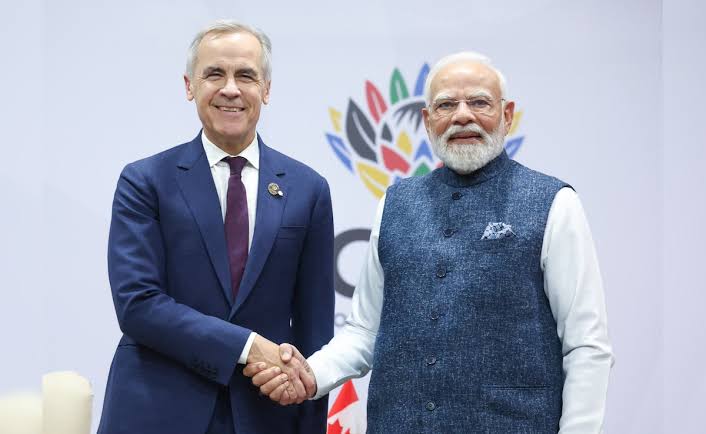
Canada is positioning India as a cornerstone of its long-term strategy to diversify international trade and double its non-US commercial engagement over the next ten years. Speaking on the sidelines of the Bloomberg New Economy Forum in New Delhi, Canadian Foreign Minister Anita Anand stated that the bilateral relationship has witnessed significant material progress since she began efforts to revive the partnership last October.During an interview, Minister Anand highlighted the foundational work carried out alongside India’s External Affairs Minister S. Jaishankar. The two leaders established a declaration last year to foster growth across several critical sectors, including high-level security dialogues, information systems, technology, food security, and investment. Anand noted that these areas remain central to the ongoing cooperation between the two nations as they look to build upon previous diplomatic milestones.A primary goal for the current year is the conclusion of a Comprehensive Economic Partnership Agreement (CEPA). Prime Minister Narendra Modi is expected to visit Canada later this year, and discussions regarding the trade pact have gained momentum. Minister Anand confirmed that a trade delegation from India visited Ottawa last week, while Canada’s Minister of International Trade, Maninder Sidhu, is currently in India with a 150-member business delegation to advance the negotiations at an accelerated pace.Security remains a prominent feature of the diplomatic agenda. Addressing concerns regarding stability and the rule of law, Minister Anand emphasized that domestic security is a constant priority for the Canadian government. She pointed to the establishment of high-level security dialogues as a direct response to these concerns. Additionally, she noted that Canada has listed the Bishnoi gang as a terrorist entity under its national laws, reinforcing the government’s commitment to upholding the rule of law as a fundamental principle of the bilateral relationship.The partnership is also expanding into the critical minerals sector, a move that follows the signing of a bilateral uranium deal. Minister Anand highlighted Canada’s leadership in the G7’s efforts to stabilize supply chains and expressed satisfaction that India participated as an outreach partner. She indicated that both countries are continuing a dialogue to identify competitive advantages and ways to complement each other's industrial needs through these critical resource pacts.People-to-people ties, particularly through education and student mobility, continue to be a vital component of the engagement. Minister Anand underscored the strong educational connections between the two nations, noting that Canadian universities are increasingly seeking to establish a deeper presence in India. While stating that broader visa policies fall under the purview of the Minister of Immigration, she reaffirmed that Canada highly values the academic and personal links between the two countries.Reflecting on India’s global standing, the Foreign Minister described the country as an economic powerhouse, referencing its status as the world’s sixth-largest economy with a valuation of $4 trillion. As Canada looks to broaden its international trading landscape, the cooperation with India is expected to remain a significant pillar of that diversification effort. Both nations appear focused on strengthening their economic framework, with officials expressing confidence that the outstanding trade negotiations are well in hand as they approach the year-end deadlines.








Comments