


US-Russia Diesel Deal Raises Questions Over Global Sanctions Policy
The decision to allow Russian fuel supplies directly impacts international efforts to restrict Kremlin revenue for the Ukraine war
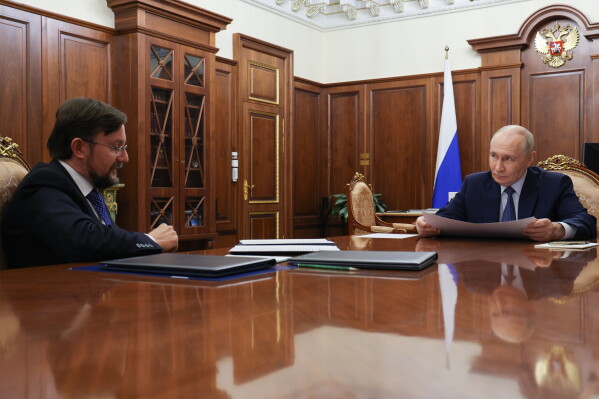
President Donald Trump has announced a deal with Russian President Vladimir Putin to release 36 million barrels of Russian diesel into global markets. This move comes less than a month after the signing of the Lindsey O Graham Sanctioning Russia and Iran Act of 2026, which was designed to impose tariffs and sanctions on nations purchasing Russian energy in an effort to restrict revenue for the war in Ukraine.The announcement has sparked significant debate regarding the consistency of American foreign policy. While the President stated on social media that the deal is intended to lower diesel prices for Americans and the global market, the decision appears to conflict with the established objective of draining the financial resources supporting the conflict in Ukraine. Furthermore, reports indicate that the Trump administration has requested that Kyiv suspend its strikes on Russian oil refineries, a move that analysts suggest may diminish Ukraine’s strategic leverage in the ongoing war.Energy analysts have expressed skepticism regarding the efficacy of the move, noting that the volume of oil covered by the deal is unlikely to result in a significant decrease in global prices. The political timing of the agreement has also drawn scrutiny, as the Republican Party currently faces a trailing position in the polls with midterm elections approaching in less than three weeks. Some within the Republican party have also begun to express opposition to the policy shift.The development has brought renewed attention to the pressure placed on countries like India, which has previously faced criticism and tariff penalties from Washington regarding its own imports of Russian crude. Administration officials, including Scott Bessent and Peter Navarro, have historically employed moral arguments against nations maintaining energy ties with Russia. New Delhi has consistently maintained that its energy acquisitions are driven by national interest and the necessity of maintaining security for its citizens, while simultaneously advocating for a negotiated settlement to the conflict.The international landscape remains further complicated for European nations, which have also been navigating complex energy dependencies. Treasury Secretary Scott Bessent remarked that Europe’s continued reliance on Russian energy has effectively funneled more capital into Russia than has been provided to Ukraine. This situation serves as a stark reminder of the contradictions inherent in the current global energy market.For Europe, the episode underscores a growing need to prioritize independent defence capabilities and reduce historical reliance on both Russian hydrocarbons and American security guarantees. The move also signals a shift in the Trump administration's posture, reflecting a continued willingness to explore rapprochement with President Putin.Moving forward, the diplomatic and economic consequences of this deal remain to be seen. India continues to advocate for its energy needs to be assessed by the same standards as those applied to Washington, emphasizing that its balanced approach—maintaining dialogue with all parties involved in the conflict—remains a core tenet of its foreign policy. As the geopolitical situation evolves, the global community is left to reconcile these shifts in sanctions enforcement with the broader goals of regional stability and domestic energy security.








Comments