


Delhi Court Summons YouTuber Dhruv Rathee Over 2018 Video
The case involves claims regarding an alleged offer of Rs 50 lakh to suppress reports of fake news dissemination
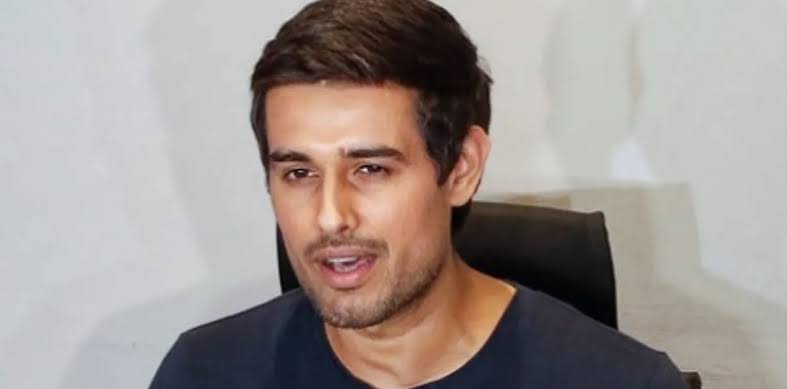
A Delhi court has issued summons to popular YouTuber Dhruv Rathee in connection with a criminal defamation complaint filed regarding a video uploaded in 2018. The complaint was initiated by Vikas Pandey, the founder of the social media page 'I Support Narendra Modi'. The legal proceedings centre on allegations made in the video which claimed that Pandey had attempted to bribe an individual with Rs 50 lakh to withdraw assertions that the Bharatiya Janata Party (BJP) IT Cell was engaged in the propagation of fake news.The litigation, which has been ongoing in the judicial system for several years, alleges that the content published by Rathee was defamatory and intended to damage the reputation of the complainant. According to the petition filed by Pandey, the video contained unsubstantiated claims that sought to link his professional activities to the orchestrating of misinformation campaigns. The legal move marks a significant development in the broader debate surrounding the accountability of digital content creators and the reach of social media commentary in political discourse.This case is notable for its involvement of multiple high-profile individuals. Notably, Delhi Chief Minister Arvind Kejriwal was also named as a party in the legal complaint. The allegation against the Chief Minister stemmed from his decision to re-share the contentious video on his social media platform, an act that the complainant argued amplified the reach of the purportedly defamatory content to a wider audience.The judicial process in matters of criminal defamation requires the court to assess whether the material in question prima facie meets the legal threshold for defamation. By issuing the summons, the court has directed the YouTuber to appear before it to address the grievances raised by Pandey. Such summonses are standard procedure in ongoing criminal complaints to ensure the accused is formally notified of the allegations and can present their side of the story before the bench.The impact of this case extends beyond the individuals involved, highlighting the growing scrutiny of online content in India. As social media platforms become primary sources of information and political debate, the intersection between free speech and the laws governing defamation has become increasingly complex. Legal experts often point out that the judiciary is tasked with balancing the right to critique public figures with the protection of an individual's reputation from what is legally classified as harm.For the digital creator community, the case serves as a point of reference regarding the risks associated with uploading videos that involve specific allegations against individuals or political organisations. The requirement for due diligence and the verification of claims before publication remains a central theme in the evolving landscape of digital media regulation within the country.Looking ahead, the case is expected to proceed with hearings where both the complainant and the accused will have the opportunity to present evidence, arguments, and witness testimonies. The court will ultimately determine whether the statements made in the 2018 video constitute criminal defamation under the provisions of the law. As of now, the summons marks the commencement of the next phase of the legal process in the Delhi court, with observers waiting to see how the matter unfolds in subsequent sittings.








Comments