


Netanyahu Rules Out New Iran Attacks Before Israeli Election
The Israeli leader declined to provide details regarding potential preemptive military actions or recent high-level consultations with Washington officials
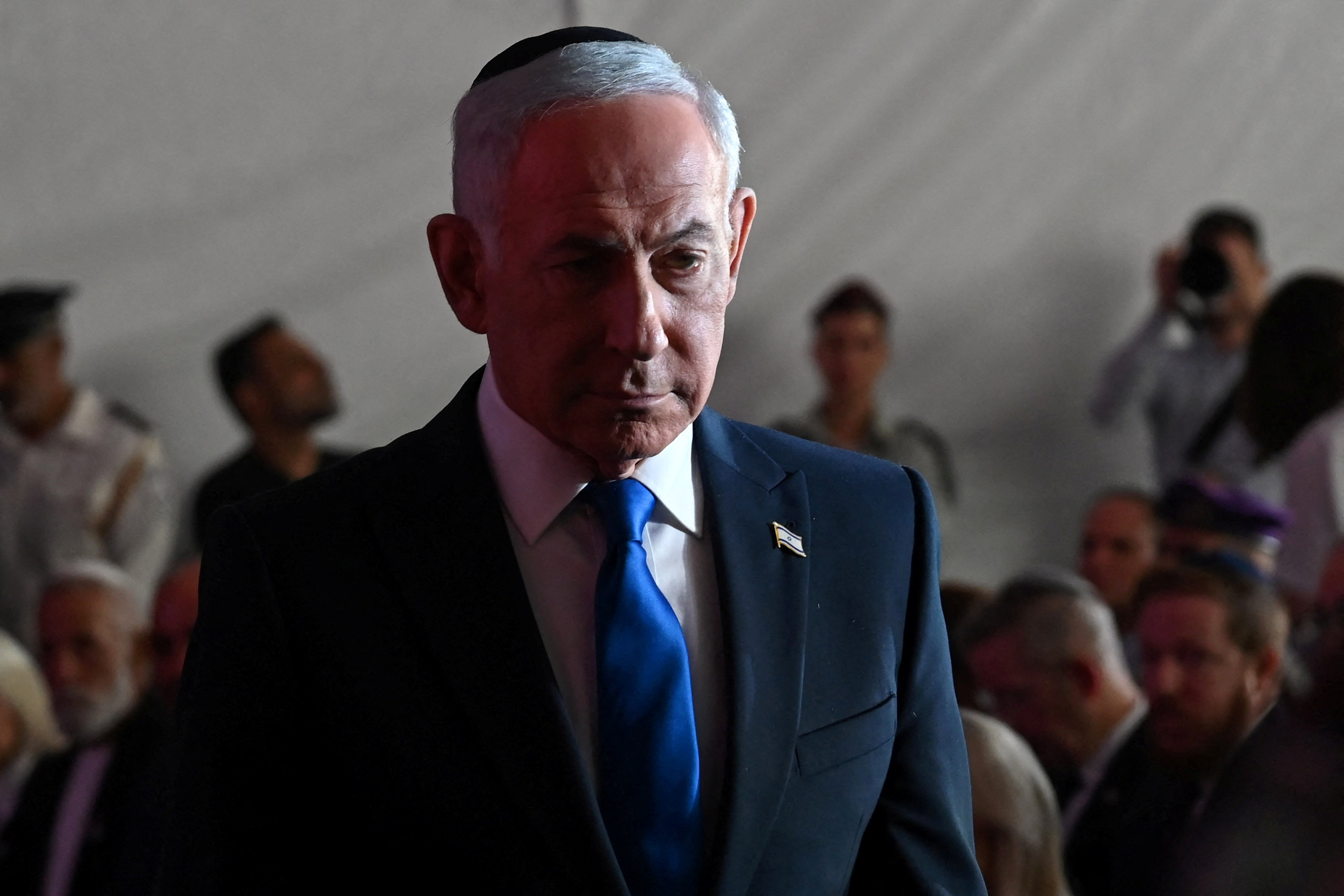
Prime Minister Benjamin Netanyahu has explicitly stated that Israel does not intend to launch any additional attacks against Iran prior to the nation’s upcoming general election. The declaration, which serves to clarify Israel’s immediate military and geopolitical posture, marks a significant moment in the ongoing regional tensions that have seen both nations engaged in a series of strategic maneuvers over recent months. By setting this boundary, the Prime Minister has sought to delineate the current limits of his government’s operational scope as the country heads toward a critical domestic political milestone.Addressing the media amidst heightened speculation regarding Israel’s security doctrine, Mr. Netanyahu chose to maintain a degree of ambiguity concerning the administration's long-term military plans. When pressed on the possibility of a preemptive strike following the conclusion of the electoral process, the Prime Minister refrained from providing any specific details. His refusal to elaborate on potential future military actions underscores a calculated effort to preserve strategic silence, effectively preventing adversaries from anticipating or reacting to Israeli security intentions in the post-election period.Furthermore, the Prime Minister sidestepped questions regarding his recent high-level consultations with officials in Washington. The diplomatic dialogue between Israel and the United States has intensified recently, particularly concerning the shared objective of curtailing Iran's regional influence and its nuclear program. While the content of these meetings remains largely confidential, Mr. Netanyahu’s decision not to disclose specific details suggests that the discussions are deeply sensitive and tied to broader geopolitical considerations that transcend the immediate election cycle.The declaration comes at a time when regional instability remains a primary concern for international observers. Iran has frequently been at the center of Israeli security briefings, with both countries trading accusations and engaging in actions that have often escalated tensions across the Middle East. For Israel, the challenge lies in balancing its firm stance on national security with the complexities of maintaining a stable diplomatic relationship with its primary ally, the United States, while also navigating the pressures of an impending vote.Political analysts have noted that the timing of such an announcement is significant. By removing the immediate prospect of further kinetic operations before voters head to the polls, Mr. Netanyahu’s government is likely attempting to project a sense of stability and control. This approach may be aimed at reassuring a domestic audience that is deeply divided over security policies, even as it signals to the international community that Israel remains in command of its own strategic timeline.As the country prepares for the electoral contest, the focus of the administration will likely shift toward internal governance and campaign rhetoric. However, the shadow of the Iran policy remains a defining feature of the national conversation. Whether or not this pledge will hold in the aftermath of the election remains a subject of intense debate among security experts and political commentators alike, many of whom are watching closely to see if the current rhetoric will translate into long-term strategic adjustments.Looking ahead, the next steps for the Israeli government will depend on both the outcome of the election and the evolving nature of the security environment. The commitment to avoid further strikes before the vote does not preclude a change in doctrine once a new administration—or a returning one—is firmly established. For now, the focus remains on regional containment and the careful management of international relations, ensuring that Israel's strategic interests are protected without triggering an unwanted escalation before the ballots are cast.








Comments