


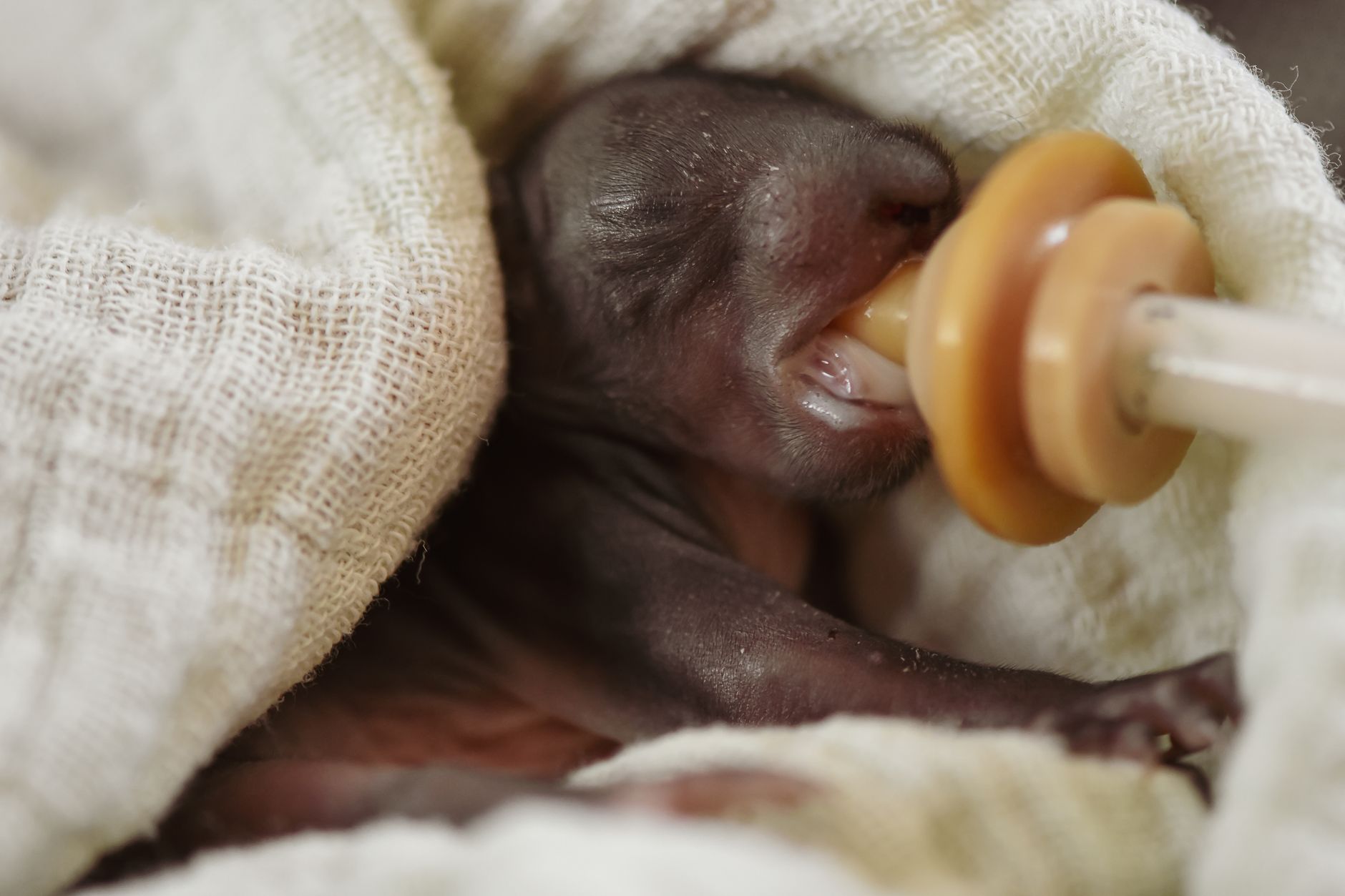
In a significant milestone for Australian conservation, the Australia Zoo Wildlife Hospital has reached its two-decade mark of operations, having provided medical care to more than 136,000 animals since its establishment in 2004. The facility, which originated from a modest, repurposed avocado packing shed in Queensland, has grown into a specialized veterinary centre dedicated to the rescue and recovery of the country's native wildlife.
The roots of the project trace back to the efforts of Lyn Irwin, the mother of the late Steve Irwin, whose pioneering work in wildlife rehabilitation inspired the family to create a more formalised space for treatment. Recognising a clear need for an environment where wild animals could receive professional care that typical veterinary clinics might not be equipped to provide, Steve and Terri Irwin transformed the agricultural structure into a functional hospital. This humble beginning laid the foundation for an operation that would eventually serve as a critical safety net for injured fauna from the surrounding regions.
As the demand for services increased, so did the infrastructure. On November 15, 2008, commemorated annually as Steve Irwin Day, the organisation unveiled a purpose-built hospital facility. This transition from the original converted shed marked a new chapter, allowing for a more sophisticated approach to wildlife medicine and the ability to accommodate a significantly higher volume of patients.
Data from Wildlife Warriors, the conservation organisation tied to the Irwin family, highlights the consistent influx of patients at the centre. Today, the hospital admits between 9,000 and 10,000 animals over a 12-month period. The patients represent a wide range of native species, including mammals, birds, and reptiles. Many of these animals arrive suffering from common hazards such as road traffic accidents, while others are brought in as orphaned young or after ingesting hazardous foreign materials.
The hospital is currently equipped with a variety of specialized facilities, including an X-ray room, surgical theatre, pathology laboratory, and dedicated intensive care units. These resources are managed by a professional veterinary team comprising specialists and nurses who tailor treatments to the specific biological needs of each patient. For instance, a kangaroo requiring complex surgery for accident-related injuries receives a different care trajectory than a young koala in rehabilitation or a sea turtle suffering from plastic ingestion.
A core principle of the institution is that no native wildlife is denied medical attention based on cost. While treatment is provided to the public without charge, the facility relies on ongoing efforts to cover the substantial expenses involved in staffing, advanced medical supplies, and the maintenance of intensive care equipment. This commitment to non-profit wildlife care distinguishes the facility from general veterinary practices and underscores its mission-driven approach to animal welfare.
The hospital serves as a practical extension of the conservation legacy fostered by the Irwin family. While Steve Irwin gained global fame for his television career and public education initiatives, the hospital reflects a focus on the direct, hands-on treatment of individual animals. By bridging the gap between community-led rescue efforts and professional veterinary medicine, the institution continues to play a vital role in Queensland’s ecological landscape, ensuring that the next generation of native wildlife has access to critical medical support.








Comments