


Mauritius Imposes Curfew Following Worst Civil Unrest Since 1999
Prime Minister Navin Ramgoolam warned of heavy consequences for those involved in the recent acts of public violence
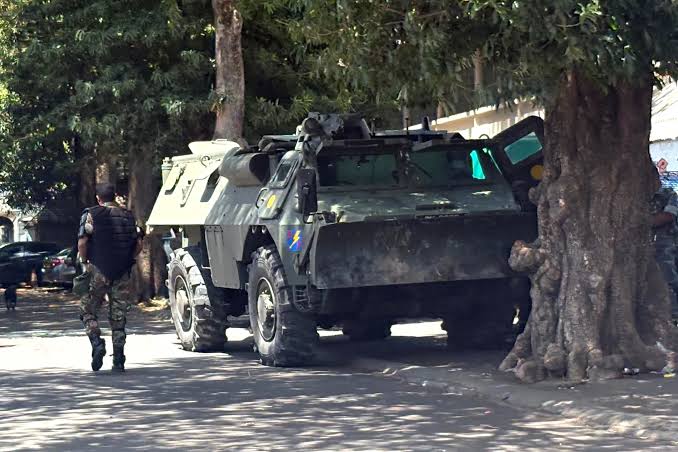
The Indian Ocean island nation of Mauritius has been gripped by its most severe wave of civil unrest since 1999, prompting the government to impose an overnight curfew to restore order. The recent disturbances, which disrupted daily life and impacted both the tourism and financial sectors, were ignited by long-standing public frustration over persistent water shortages and the rising cost of living.Protests initially began approximately a week ago, with residents taking to the streets to voice their grievances. However, the situation deteriorated rapidly over the weekend. Demonstrators began obstructing major roads using burning tyres, furniture, and mattresses, while violence eventually spread to commercial areas and public infrastructure. Notable incidents included the torching of a police station in Rose Hill and the looting or vandalism of several businesses, including a McDonald’s outlet in Beau-Bassin.Tensions reached a breaking point following a confrontation at a police roadblock, where a woman was shot and wounded by an officer. While the exact circumstances surrounding the shooting remain under investigation, the incident became a significant flashpoint for the protesters. In response, authorities confirmed that the police officer involved in the shooting has been arrested and remanded in custody. To manage the chaos, the government deployed the Special Mobile Force, a paramilitary unit, to provide additional support to local police departments.Prime Minister Navin Ramgoolam addressed the nation on Tuesday, condemning the violence and issuing a stern warning to those involved. According to reports, he stated that individuals responsible for these actions would face heavy consequences for what he termed anti-patriotic acts. The unrest led to the temporary closure of schools and the suspension of public transport services across the island. Additionally, several foreign embassies issued safety advisories, urging their citizens to exercise caution as the situation evolved.The current scale of the protests has drawn immediate comparisons to the 1999 riots, a defining moment in recent Mauritian history. That earlier episode was triggered by the death of a popular local musician, Kaya, while he was in police custody. The current unrest has similarly raised urgent questions regarding public confidence in policing, mirroring the concerns that defined the historical event decades ago.Despite the implementation of an overnight curfew, police reported further incidents and additional arrests during the height of the clashes. By Wednesday morning, however, the situation began to stabilize, with traffic moving across the island and authorities encouraging residents to gradually resume their normal daily activities. Official reports indicated that at least 10 individuals were arrested during the period of unrest, and three police officers sustained injuries while attempting to manage the crowds.The government is now focused on the dual challenge of maintaining public order and addressing the underlying socio-economic grievances of the population. The Cabinet was scheduled to convene on Wednesday afternoon to conduct a formal reassessment of the situation and decide on the necessary policy steps moving forward. While the government had previously attempted to address the water crisis by increasing supplies to households, the protests highlighted deeper frustrations that remain to be resolved. As the situation stabilizes, the administration faces mounting pressure to deliver long-term solutions for the economic hardships currently faced by its citizens.








Comments