


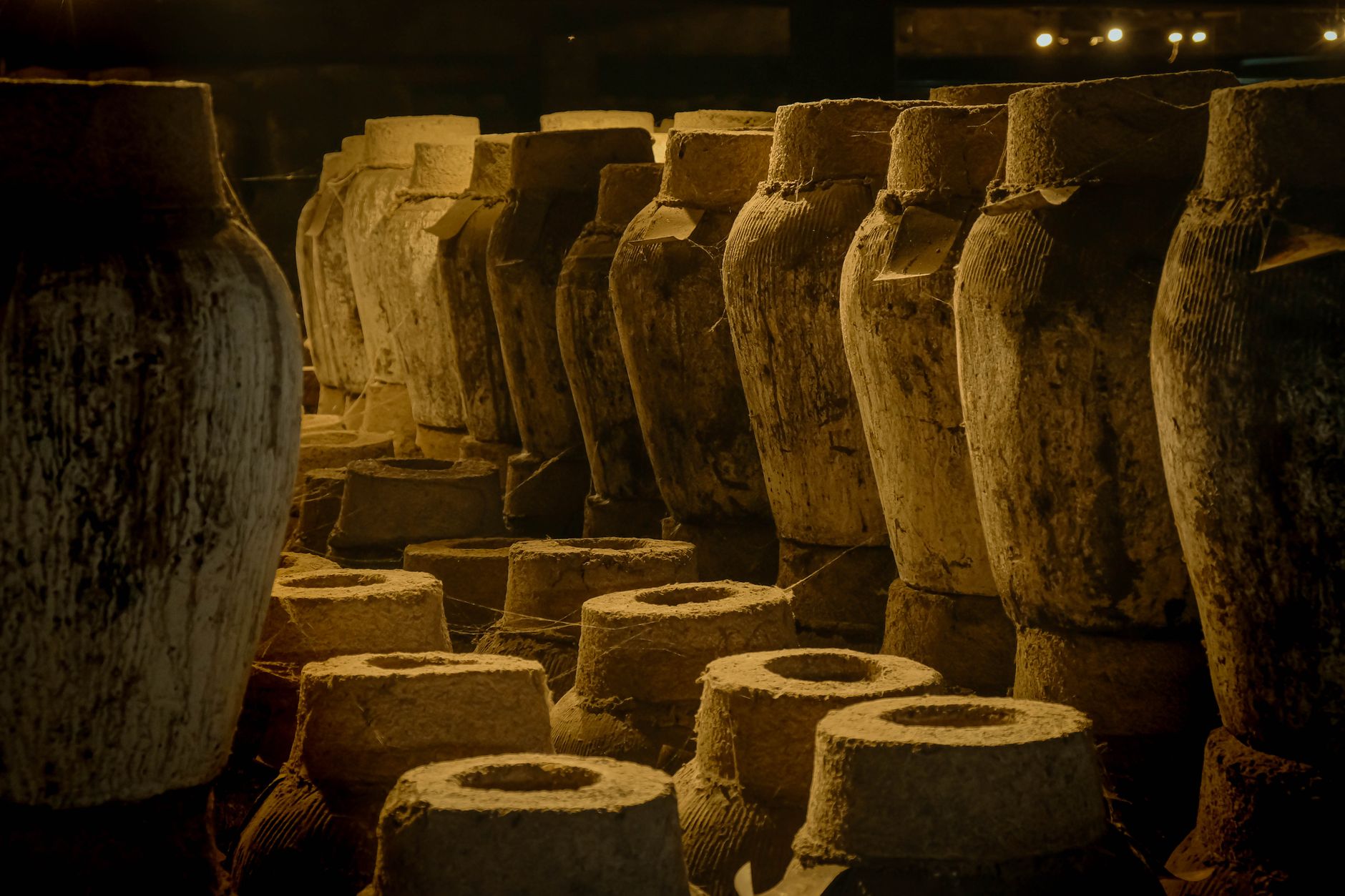
Archaeologists have announced the discovery of what is now considered the world’s oldest shipwreck, located off the coast of Kekova Island in Turkey. Experts from the Mediterranean Archaeology Association have dated the site to the Early Bronze Age, placing the vessel's existence between 4,400 and 4,700 years ago—a period coinciding with the construction of the Great Pyramid of Giza. The discovery offers significant new insights into the maritime trade networks that operated across the Mediterranean Sea thousands of years ago.
While the ship's wooden structure has long since deteriorated, the cargo it was transporting remains at the bottom of the sea on an underwater slope, approximately 30 metres deep. The team, led by Professor Hakan Öniz of Akdeniz University, recovered over 30 ceramic storage vessels, known as amphorae, along with three stone anchors. Professor Öniz described the site as a "time capsule" that provides a rare connection to the ancient world. The find supersedes the previous record holder, a wreck near the Greek island of Dokos, which dates back approximately 4,200 years.
Because the wooden hull did not survive, researchers could not employ radiocarbon dating to determine the age of the ship. Instead, they relied on a meticulous analysis of the amphorae's design. The recovered ceramics feature a distinct style with two handles, a central ridge, and a flat base. By comparing these characteristics to pottery found in Egypt and the Middle East, the team confirmed the age of the find with a high degree of certainty. Professor Öniz stated that the design is definitively linked to the Early Bronze Age.
Following the recovery of the amphorae, experts were surprised to find remnants inside some of the containers. Dr. Karin Sowada, an archaeologist from Macquarie University in Australia, examined the pots and discovered a viscous, glossy residue. While the exact contents remain under investigation, researchers suggest they could be olive oil, wine, or tree resins. It is also possible that these large jars were reused over many years, as they were valuable items for traders during the ancient period.
The vessel is believed to have been a trade ship traversing the eastern Mediterranean, likely carrying goods bound for the ancient city of Troy or potentially to the Minoan civilization in Crete. The region around Kekova Island is known to be treacherous due to powerful winds and currents, which have historically claimed numerous vessels. Archaeologists working on the project have noted that the site serves as a poignant reminder of the lives of the ancient mariners who once navigated these waters, many of whom never returned home from their perilous voyages.
The artefacts are currently undergoing a careful conservation process after remaining submerged for millennia. According to the Turkish Ministry of Culture, the items will eventually be put on public display at the new Mediterranean Underwater Archaeology Museum in Antalya. This facility is scheduled to open in the coming months, allowing the public to view the recovered cargo that has remained hidden on the seabed for nearly five millennia.
The discovery represents a milestone in maritime archaeology, as most ancient wrecks found to date are significantly younger. For instance, the oldest known intact shipwreck with preserved wood, located in the Black Sea off the coast of Bulgaria, dates back approximately 2,400 years. The Kekova find provides a much deeper look into the technical and commercial capabilities of societies during the formative centuries of the Bronze Age, marking a significant advancement in understanding ancient global trade.








Comments