


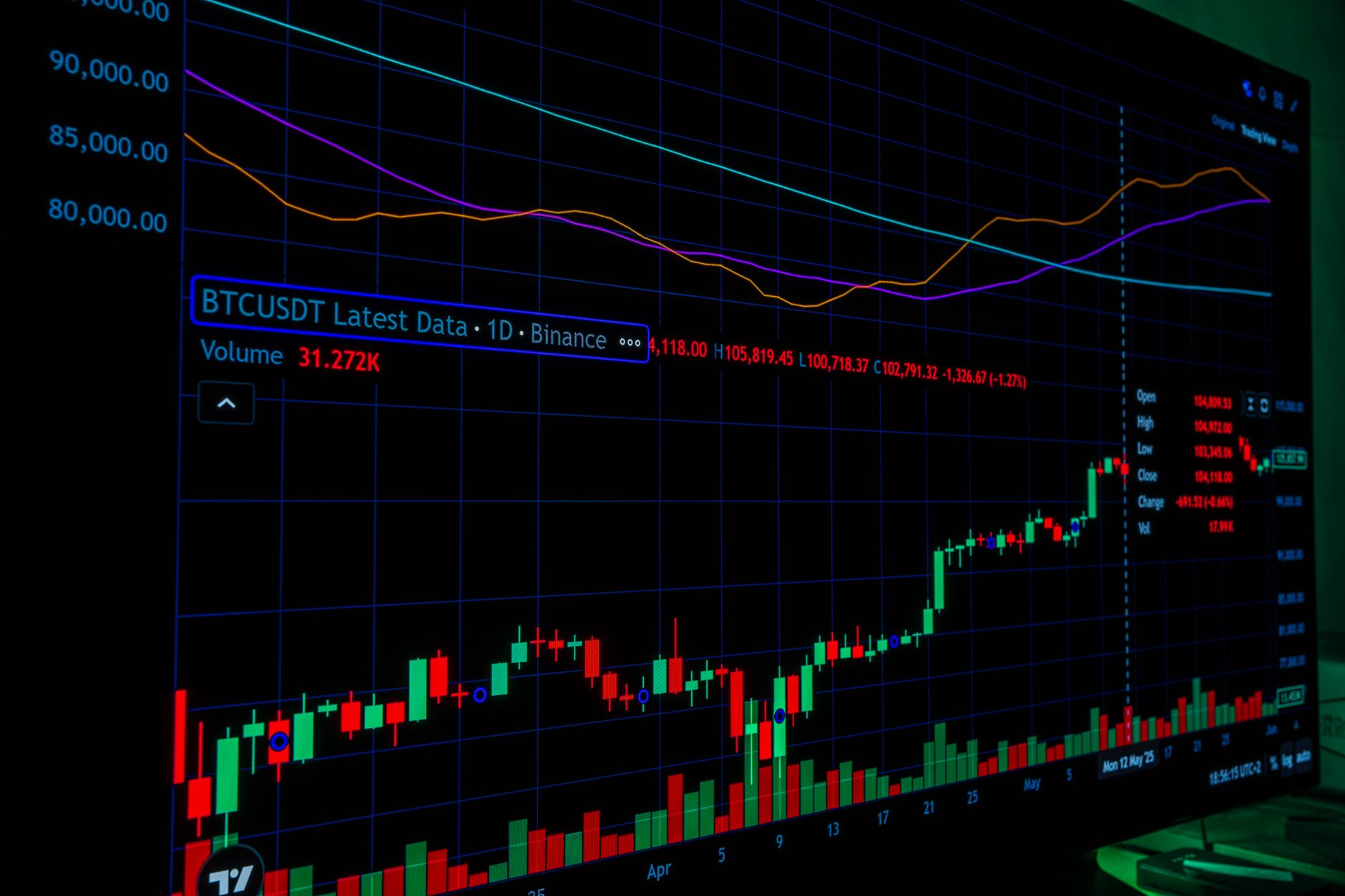
Bitcoin maintained a steady position near the $83,300 mark on Wednesday, displaying resilience following a period of intense market volatility. The leading cryptocurrency, which had earlier tested resistance levels near $84,000, is navigating a complex financial landscape shaped by a sharp sell-off in Asian equities and persistent macroeconomic uncertainty. Data indicates that the asset was trading at approximately $83,388, even as broader market sentiment remains cautious.
The recent market correction has had a significant impact on leveraged positions across the digital asset space. According to industry experts, the volatility witnessed over the past 24 hours resulted in more than $800 million in crypto liquidations. Market analysts note that this wave of liquidations primarily affected long positions, reflecting the high-stakes environment currently faced by traders as they grapple with rapid price fluctuations and shifting global equity trends.
Broader market indicators reflect the ongoing instability. The global cryptocurrency market capitalization has edged down to $2.8 trillion. While Bitcoin has shown signs of recovery after dipping below the $81,000 intraday threshold, other major assets have faced downward pressure. In the last 24 hours, Ethereum saw a marginal decline to trade near $2,504, while altcoins such as BNB, Solana, Hyperliquid, and Cardano experienced corrections of up to 1.65%. Conversely, assets like XRP, Tron, and Dogecoin saw minor gains of less than 1%.
Institutional demand, a key pillar of recent crypto market growth, appears to be in a state of flux. US spot Bitcoin ETFs recently recorded significant outflows, which some market observers suggest points to a more conservative approach among institutional investors. Despite this, some on-chain data presents a nuanced picture. Analysts at Mudrex observed that Bitcoin has successfully held support near the $81,500 level, which serves as the average cost basis for many US ETF investors. Furthermore, some large-scale holders have begun to resume accumulation after a prolonged period of selling, and corporate buying continues to be a factor, with companies like Strive increasing their total holdings.
The current market atmosphere is heavily influenced by factors extending beyond the crypto ecosystem. Concerns over artificial intelligence valuations and competitive pressures within the semiconductor industry have impacted broader investor sentiment in Asian markets. Experts from the CoinSwitch Markets Desk indicated that upcoming U.S. inflation data, along with movements in Treasury yields and ongoing technology earnings reports, will serve as critical catalysts for future market direction.
Analysts remain divided but watchful regarding the immediate technical outlook. While support levels are generally identified in the $81,500 to $83,250 range, resistance remains established near the $83,700 to $83,900 mark. Market experts from platforms such as WazirX and CoinDCX noted that the Fear and Greed Index has risen slightly to 55, suggesting that while sentiment remains neutral, there is potential for stabilization if equity markets find firmer ground.
Looking ahead, the market appears to be transitioning into a phase where investors are closely watching for signs of sustained momentum. The ability of Bitcoin to maintain its support levels, combined with the stabilization of global equities, is viewed by many as a prerequisite for the next phase of market growth. As the industry monitors US monetary policy and institutional flows, the consensus among analysts is that while volatility is likely to persist, the underlying resilience of key assets suggests that investors are balancing caution with strategic accumulation.








Comments