


Sunil Mittal Claims Bharti Airtel is Ahead of Starlink in India's Satellite Internet Queue
Bharti Airtel has been seeking regulatory approvals for five years as competition for satellite broadband space intensifies in India
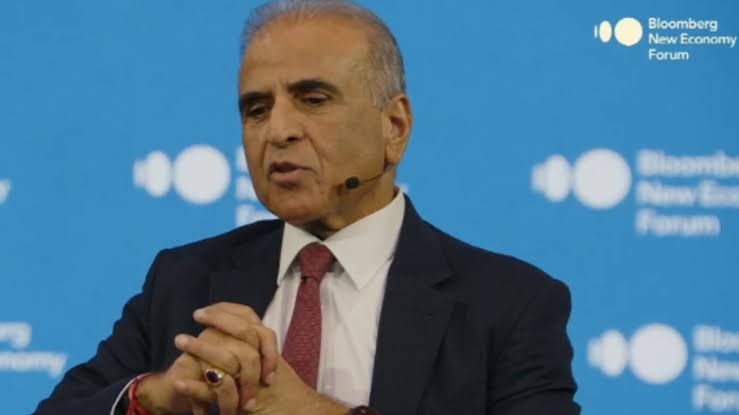
Bharti Enterprises founder and chairman Sunil Bharti Mittal has asserted that his organisation is ahead of Elon Musk’s Starlink in the queue for satellite internet approvals in India. Speaking at the Bloomberg New Economy Forum, Mr. Mittal clarified that Bharti Airtel is prepared to initiate its satellite-based services but is currently awaiting essential security clearances from the Indian government.These remarks were delivered in response to public claims made by Elon Musk, who has alleged that India’s domestic telecom leaders are working to block Starlink’s entry into the country. Mr. Musk had previously suggested that his satellite internet service was being hindered by “certain oligarchs” seeking to protect their market dominance. In contrast, Mr. Mittal maintained that Bharti Airtel had applied for the necessary regulatory approvals five years ago.According to Mr. Mittal, the groundwork for Bharti’s entry into this sector has been in place for some time. He stated that the company’s ground network has been ready for three years, and its satellites have been strategically positioned over Indian territory for five years. Mr. Mittal highlighted the firm’s existing experience in the sector, pointing to the successful launch of satellite services in Africa conducted in partnership with a global provider.The regulatory landscape for satellite internet in India remains complex. While Starlink has faced significant hurdles, it has made progress in the licensing process. Reports indicate that Starlink received approval from the Ministry of Communications in June 2025 to launch its services. Subsequently, in July 2025, the Indian National Space Promotion and Authorisation Centre (IN-SPACe) granted the company a five-year licence for commercial operations. However, both Starlink and other prospective players still require final security clearances and the formal assignment of spectrum before commercial services can officially commence.The Indian government has consistently rejected allegations that the approval process is discriminatory. The Ministry of Communications has labeled claims of monopoly or deliberate obstruction as “baseless and misconceived,” maintaining that the government is following established protocols for all applicants. Officials have argued that the delay in full operational status for various providers is a matter of administrative and security due diligence rather than an attempt to protect local business interests.During his address, Mr. Mittal also advocated for a broader reassessment of the digital economy's fiscal requirements. He called for a reduction in taxes on digital goods and telecommunications services, arguing that lower levies would enable digital technology to contribute more substantially to the nation's economic growth. He emphasised that robust digital infrastructure is a critical component for strengthening the overall economy.As the competition for satellite-based connectivity gains momentum, the focus remains on when the government will finalise the security protocols and spectrum allocations. For Bharti Airtel, the ability to extend services to remote areas where conventional telecom networks often struggle to provide consistent coverage remains a key objective. Meanwhile, the broader industry waits to see how the regulatory framework will accommodate these advanced satellite technologies while balancing the concerns raised by global and domestic players regarding market access and national security.








Comments