


Karnataka 108 Ambulance Workers Threaten Strike Over Unresolved Demands
Drivers and medical technicians across the state warn of service disruptions due to persistent pay and service disputes
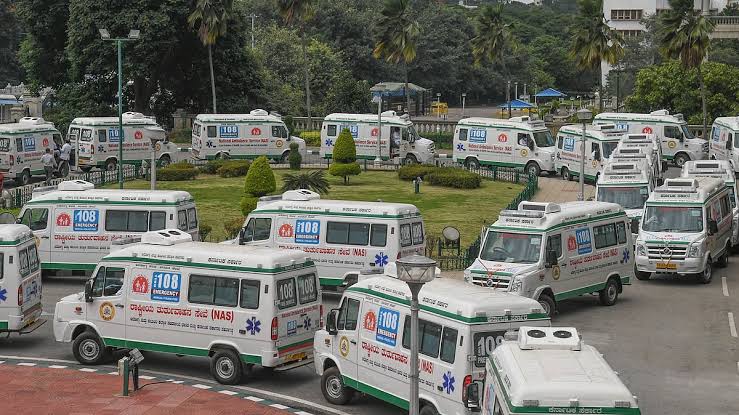
The emergency medical response network in Karnataka is facing a critical situation as approximately 3,200 employees, including drivers and emergency medical technicians, have threatened to initiate a strike. These workers, who are integral to the 108 Arogya Kavacha ambulance service, have expressed deep frustration over what they describe as unresolved issues regarding their salary structures and various service-related conditions.This potential disruption to the state’s emergency services comes after repeated attempts by employees' associations to seek a resolution to their grievances through formal channels. According to reports, these staff members have engaged in multiple rounds of discussions with the state government as well as the private service provider, GVK EMRI, which is responsible for the operations of the 108 ambulance fleet.The employees' associations have indicated that despite these ongoing dialogues, their concerns have largely remained unaddressed. The threat of a strike poses a significant challenge to the public healthcare system in Karnataka, as the 108 Arogya Kavacha service is a primary lifeline for patients in need of urgent medical intervention and transport to hospitals across the state.Emergency medical services are considered essential public infrastructure. A stoppage of work by thousands of drivers and technicians would likely create severe delays in responding to critical medical emergencies, including accidents, cardiac events, and other health crises that require rapid transport and on-board clinical support. The reliability of the 108 service has been a cornerstone of the state's efforts to provide timely medical care to its citizens.The involvement of GVK EMRI, the agency contracted to manage these services, highlights the complex administrative relationship between state authorities and third-party providers. Workers have pointed to these institutional bottlenecks as a primary reason for the delay in settling their service terms. For many of the staff involved, the primary issues revolve around fair pay and consistent employment policies that match the high-stress nature of their emergency response duties.As of now, no specific timeline for the strike has been officially announced, leaving the situation in a state of uncertainty. However, the explicit threat from the workforce underscores the growing pressure on the state government to intervene and broker an agreement before services are compromised. Public health experts have previously noted that any prolonged disruption in ambulance services could have cascading effects on the performance of secondary and tertiary care hospitals, which rely on a steady flow of incoming patients transported via the emergency network.The state government is now tasked with evaluating the demands presented by the unions while ensuring that public health services remain functional. The focus remains on whether the administration can facilitate a breakthrough between the workforce and the service provider to avoid a major health crisis. Stakeholders and observers are waiting to see if further high-level talks will be scheduled to resolve the impasse, as the prospect of a total suspension of ambulance operations remains a significant concern for the residents of Karnataka.








Comments