


US Ends 540-Day Automatic Work Permit Extension for Immigrants
The move impacts H-4 visa holders and asylum seekers as the administration pursues stricter immigration oversight and background checks
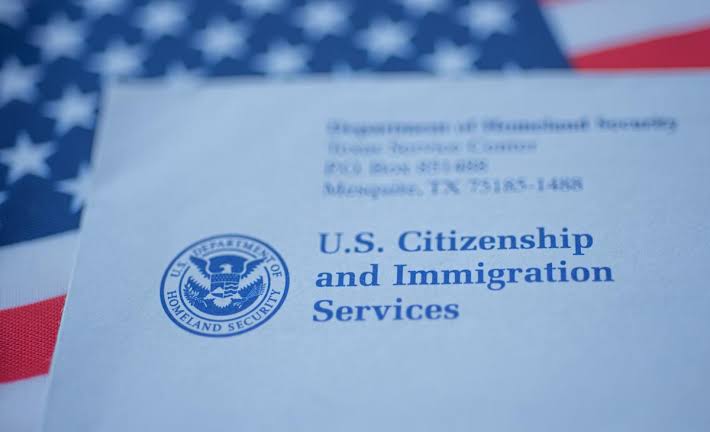
In a significant policy shift, the United States Department of Homeland Security (DHS) has officially ended the 540-day automatic work permit extension for eligible immigrants whose renewal applications remain pending. This regulatory change, which took effect upon its publication in the Federal Register on October 14, represents the latest development in the Trump administration's broader efforts to tighten immigration oversight.The automatic extension was originally introduced under the previous administration as a measure to provide stability for foreign workers who faced potential employment gaps due to significant processing backlogs at the US Citizenship and Immigration Services (USCIS). The grace period had allowed individuals to continue their employment legally while the government processed their documentation. However, the current administration has now permanently rescinded this provision, asserting that the change will allow officials to perform background checks on applicants with greater frequency.The impact of this decision is expected to be felt by a wide range of visa holders, including asylum seekers and spouses of H-1B workers, a group that includes many Indian nationals. As of June 30, 2026, data indicated that over 432,000 work permit renewal applications had been pending at USCIS for six months or longer, with more than 91,000 cases exceeding an 18-month wait time. Under standard regulations, foreign workers are restricted to applying for document renewals only within 180 days of their existing permit's expiration.Legal challenges to these immigration policies have already surfaced. Earlier this year, a group of H-4 visa holders initiated a lawsuit against the federal agency, arguing that changes to these administrative policies contravened the Administrative Procedure Act. In September, a judge in California blocked the interim final rule for the specific plaintiffs in that case, noting that the agency had failed to adequately address procedural requirements or the applicants' reliance on the previous policy. Despite these legal headwinds, the final rule has now been implemented.Beyond the changes to work permits, the administration has also targeted the procedures surrounding refugee status. According to reports, the time frame for refugees to contest the termination of their status has been slashed from 30 days to 10 days. This change, which became effective on Wednesday, has drawn sharp criticism from advocates who warn that the truncated window will make it increasingly difficult for affected individuals to secure legal counsel and gather the necessary evidence to challenge government decisions.The federal government justified the reduction of the appeal window by citing a need to mitigate risks associated with individuals who may no longer meet the eligibility criteria for refugee status. The administration has explicitly targeted refugees admitted under the tenure of the previous administration, alleging a decline in the integrity of the refugee program during that period. Currently, the government is conducting a reassessment of cases involving at least 185,000 refugees admitted during the Biden administration who still have pending green card applications.These policy adjustments are part of a wider administrative agenda aimed at restructuring US immigration enforcement. President Donald Trump has previously signaled intentions to pursue a more rigorous stance on immigration, which has included proposals such as suspending refugee admissions, implementing entry restrictions on specific nations, and introducing a $100,000 payment requirement for certain new H-1B visa petitions. As these rules take effect, stakeholders remain concerned about the cumulative effect on foreign workers and the logistical challenges introduced by the shortened timelines for compliance and appeals.







Comments