


India’s aviation regulator, the Directorate General of Civil Aviation (DGCA), has officially prohibited the use and transportation of a specific power bank model on all passenger and cargo flights operating within, to, or from the country. The directive, issued under DGCA chief Vir Vikram Yadav, follows a serious mid-air fire incident that necessitated an emergency landing of a commercial aircraft.
The regulator has explicitly banned the MOBIKINS MK-PB-04 power bank model. According to the official order, airlines are now tasked with identifying this device and ensuring passengers are informed of the prohibition. The restriction applies to both carry-on and checked luggage, as well as cargo transport. It is important to note that this is a targeted ban on one specific model rather than a broad prohibition on all portable power banks.
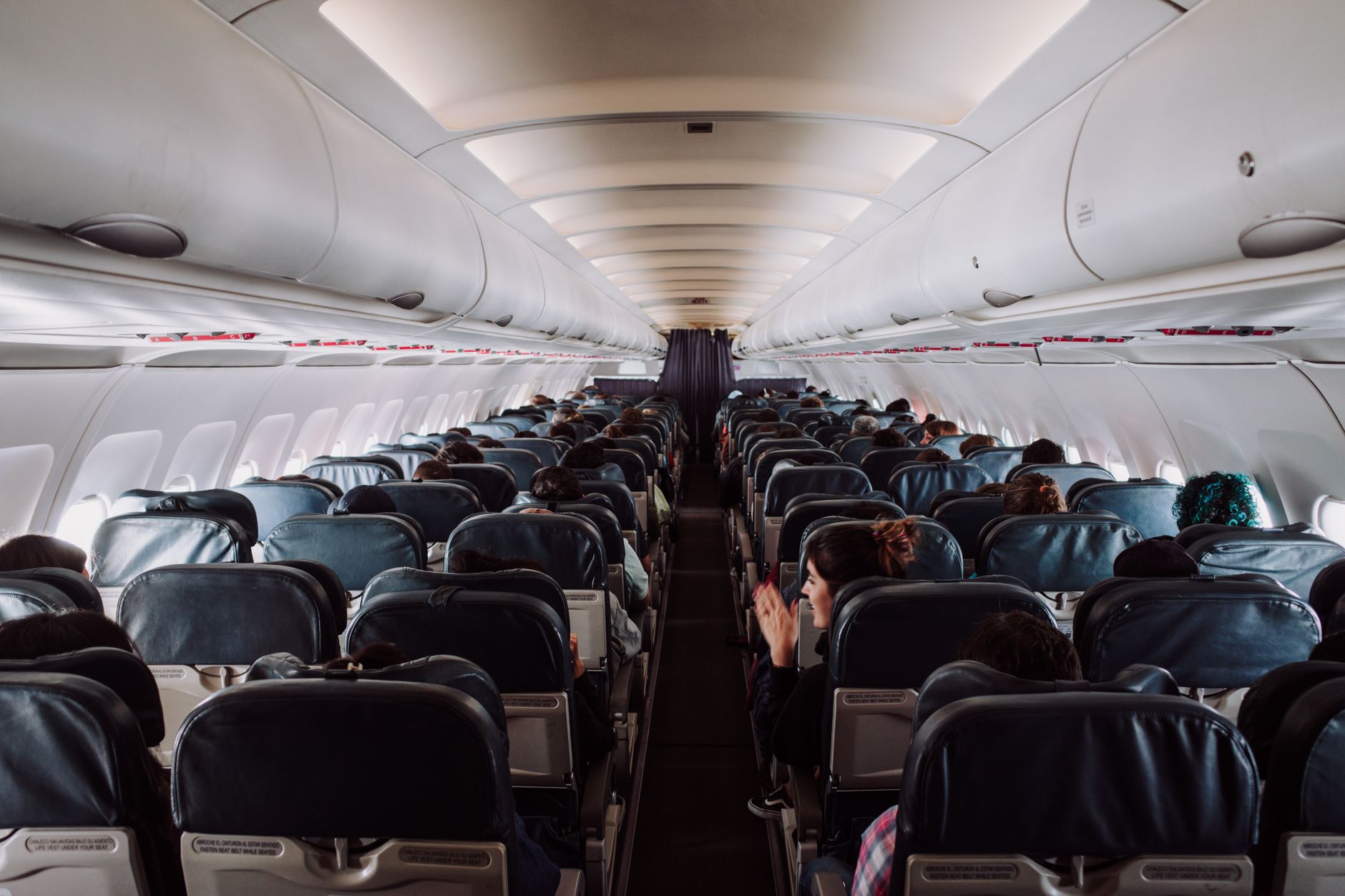
The decision was prompted by an emergency situation involving an IndiGo flight, identified as 6E 6115, which was traveling from Delhi to Chennai on October 11. During the journey, smoke was detected emanating from a passenger’s personal electronic device. Following established safety protocols, the pilots diverted the aircraft to the Rajiv Gandhi International Airport in Hyderabad, where it landed safely.
IndiGo confirmed that the cabin crew managed the situation on board and brought the smoke under control before the landing. The airline subsequently arranged for an alternative aircraft to transport passengers to their final destination in Chennai and issued an apology for the significant disruption. Reports indicate the device involved in the incident was either a power bank or another type of personal electronic device equipped with a lithium-ion battery.
Lithium-ion batteries are standard in modern travel, powering everything from smartphones and laptops to tablets. However, these devices can pose significant safety risks if they are damaged, improperly charged, or suffer from internal component failure. A process known as “thermal runaway” can occur if a battery cell begins to heat up uncontrollably. This chemical reaction can generate intense heat, smoke, and flames, or even cause the device to rupture.
Managing such fires in a confined aircraft cabin presents a unique challenge for flight crews, who must balance the immediate need to suppress flames with the safety of passengers on board. Lithium-ion battery fires are known for being difficult to extinguish completely, as they can experience repeated flare-ups, necessitating that the battery be sufficiently cooled to prevent reignition. Aviation authorities, including those in the United Kingdom, have identified lithium-ion batteries as a top industry risk for several years.
To mitigate these risks, standard airline regulations require passengers to carry power banks and spare lithium batteries in their cabin baggage rather than in checked cargo. IndiGo’s current guidance explicitly advises passengers to keep power banks within easy reach during the flight and strictly prohibits storing them in overhead compartments or checked luggage. Accessibility is crucial because it allows both passengers and crew to notice early warning signs, such as swelling, unusual heat, or the smell of smoke, enabling a faster response if an emergency arises.
As authorities continue to emphasize, passengers must check the make and model of any electronic devices they plan to carry. Furthermore, travelers are advised to remain vigilant and report any anomalies to the cabin crew immediately, rather than attempting to handle a malfunctioning device themselves. Future travel safety rests on adherence to these protocols and strict compliance with the newly issued model-specific bans.








Comments