


Delhi Police Detail Reasons Behind Tihar Custody of CJP Leaders
Authorities cite repeated legal violations and social media incitement as primary grounds for the detention of political leaders
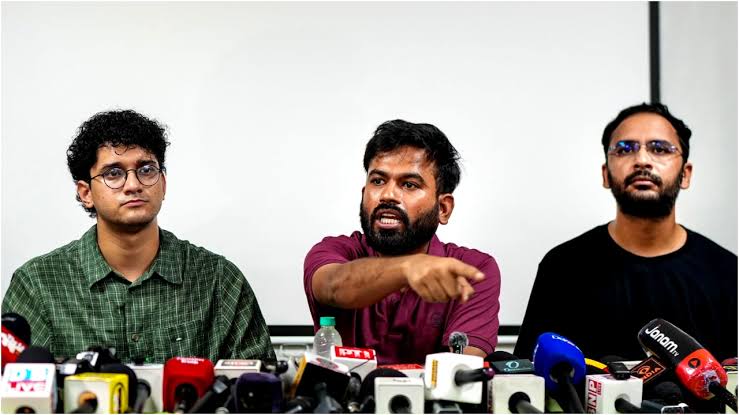
The Delhi Police has formally detailed its reasons for taking punitive action against members of the Cockroach Janta Party (CJP), following an incident on October 13 that resulted in the judicial custody of two prominent leaders. Sourav Das and Ashutosh Ranka were remanded to five days of judicial custody and have since been lodged in separate facilities within the Tihar jail complex. According to officials, Das is being held in Jail Number 2, while Ranka is situated in Jail Number 4.Authorities identified several factors that led to the detention, most notably the alleged obstruction of police personnel as they performed their official duties. Police reports indicate that 14 members of the CJP, including Das, Ranka, and a third member named Ajinkya Shinde, gained access to the Jantar Mantar area by entering through private premises. The site had been previously denotified as a venue for demonstrations under an order issued on October 11 by Police Commissioner Anurag Kumar.The police stated that their intervention was necessary to prevent further disturbances to public order. Following the incident, the three individuals were brought before a Special Executive Magistrate. Proceedings were initiated under sections 126 and 170 of the Bharatiya Nagarik Sanhita. While the magistrate ordered five-day judicial custody for Das and Ranka, citing concerns that they might continue to encourage unlawful activities, Shinde was permitted to sign a personal bond and surety of Rs 5,000 to maintain peace and good behavior for a six-month period.A significant portion of the police case rests on the group's alleged use of digital platforms to influence the public. Law enforcement officials claimed that the accused utilized social media to instigate others to participate in unauthorized protests. This follows a period of heightened activity, as the police have registered two separate FIRs in connection with the October 13 episode, covering multiple sections of the law relating to the obstruction of public servants and the creation of social unrest.The current tensions trace back to the recent denotification of Jantar Mantar, which the Delhi Police has replaced with alternative protest venues, including Ramlila Maidan, Burari Ground, and CBD Ground. The CJP has expressed strong disapproval of this policy, arguing that relocating demonstrations away from the capital's political center diminishes the visibility of public dissent. Members of the organization have been actively protesting against alleged irregularities concerning the Special Intensive Revision of electoral rolls.Legal records show that this is not the first interaction between these specific CJP members and local authorities. According to reports from the news agency PTI, Das and Ranka were previously detained during a protest on the Saturday preceding the October 13 incident, at which time they had signed bonds promising to maintain peace for one year. The subsequent breach of barricades and re-entry into the restricted area at Jantar Mantar was characterized by police as a repeated violation of their legal commitments.In response to the judicial remand, CJP founder Abhijeet Dipke issued a statement via social media, characterizing the state's actions as an attempt to suppress political dissent. He argued that the leaders were penalized for actions involving the national flag at the site. The situation remains sensitive as the Delhi administration maintains its stance on managing public protests within the designated venues, while the CJP continues to challenge the restrictions imposed on their assembly rights.








Comments