


US Judge Blocks Administration from Revoking White House Press Credentials
The court ruling preserves access for journalists as legal proceedings regarding constitutional free speech and due process continue
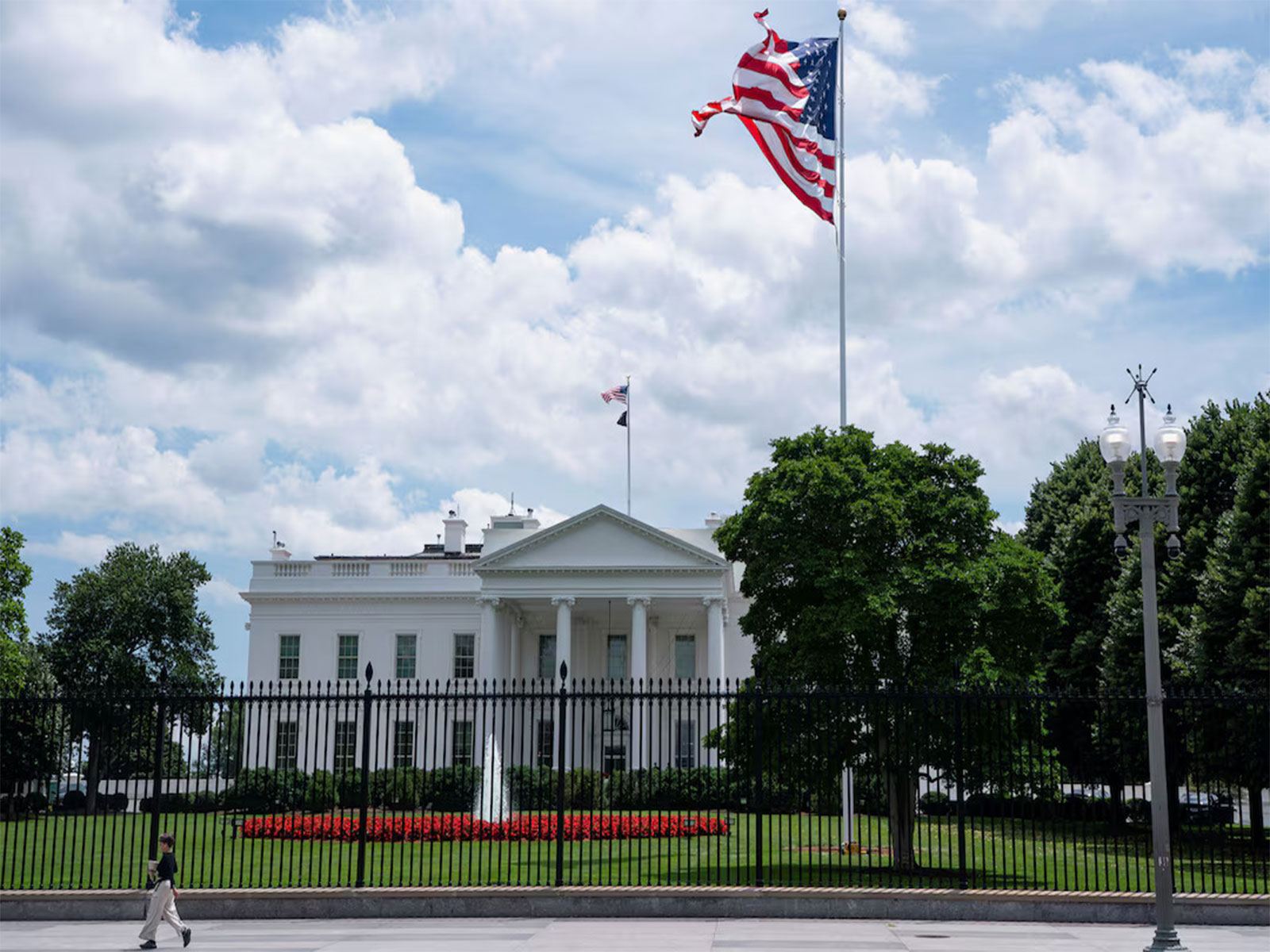
A federal judge in the United States has issued a preliminary injunction to prevent the administration from banning reporters from the White House, marking a significant development in an ongoing legal battle concerning the boundaries between presidential authority and media access. US District Judge Timothy Kelly, who was appointed to the bench by President Donald Trump, ruled on Tuesday that media organisations including CNN, MS NOW, and Politico have demonstrated a likelihood of success regarding their claims based on constitutional free speech and due process protections.The legal dispute centres on the revocation of "hard pass" press credentials, which are essential for journalists to maintain regular access to the White House complex. Judge Kelly’s ruling extended a previous temporary order that had already compelled the administration to restore these credentials to the journalists involved while the court deliberated on the merits of the case. By issuing the preliminary injunction, the judge has ensured that the current level of press access will remain preserved while the litigation continues to move through the federal court system.In his ruling, Judge Kelly addressed the broader implications of the tension between the executive branch and the press. He stated, "Still, no one should interpret the Court's decision to suggest that President Trump's concerns about accuracy and fairness in the media's reporting are unfounded, or that the government is powerless when its true aim is to protect national security when classified information is unlawfully disclosed." This nuanced observation highlights that the court’s decision is rooted in specific procedural and constitutional grounds rather than a general endorsement of media conduct.The case has drawn significant attention as a high-profile constitutional test of how much authority an administration can exercise when restricting access to the White House briefing room. Media representatives argued that the revocation of their credentials constituted a violation of their rights under the First Amendment, which protects freedom of speech, and the Fifth Amendment, which guarantees due process. The judge’s decision suggests that the court finds sufficient merit in these constitutional arguments to warrant an intervention that protects the journalists' ability to work until a final judgment is rendered.As the legal process unfolds, the ruling serves as a vital check on the executive branch's ability to limit the presence of specific news outlets during official events. The White House has historically maintained the right to manage the conduct of the press corps, but this court action emphasises that such power is not absolute. The requirement for due process, according to the judge's assessment, necessitates that media organisations be granted a fair opportunity to challenge decisions that directly affect their ability to report on government activities.Looking ahead, the case is expected to continue through further legal proceedings where both sides will likely submit more detailed evidence and arguments regarding the limitations of executive power. For now, however, the immediate consequence of the injunction is the preservation of the status quo. The reporters affected by the dispute will continue to have the necessary credentials to perform their professional duties on the White House grounds, at least for the duration of the current legal standoff.The outcome of this case remains a closely watched event in the United States, given its potential to set a legal precedent for future interactions between the press and the presidency. While the administration maintains its stance regarding the necessity of holding news outlets accountable for accuracy and protecting sensitive information, the judiciary has asserted its role in ensuring that such executive actions remain within the framework of constitutional law.







Comments