


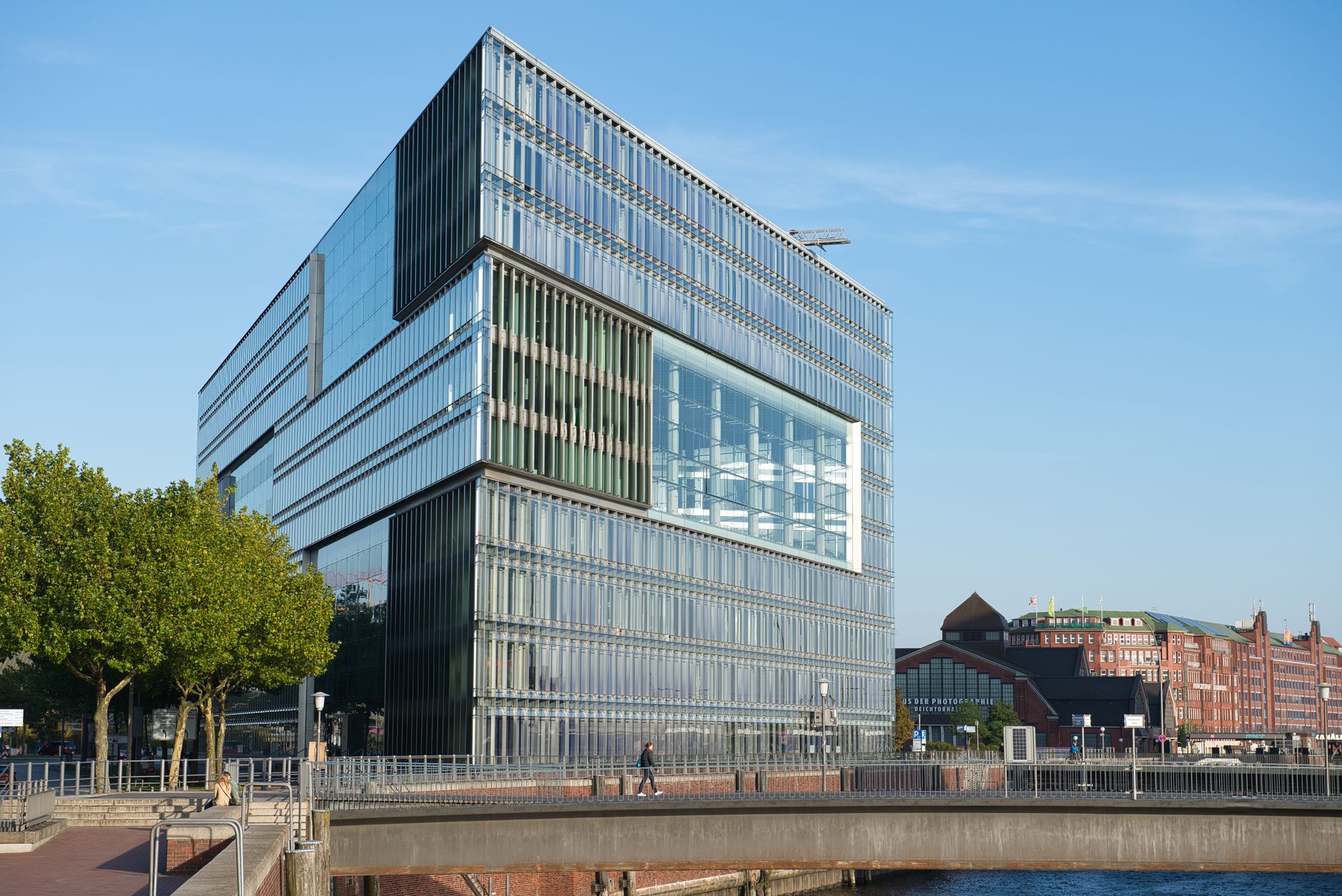
A high-stakes legal proceeding began on Wednesday at the Hamburg Higher Regional Court, as a former Ukrainian military officer stood trial for his alleged role in the 2022 sabotage of the Nord Stream gas pipelines. The defendant, identified under German privacy regulations as 50-year-old Serhii K., faces accusations of orchestrating a secret mission that caused massive ruptures in critical underwater infrastructure, effectively cutting off a primary supply route for Russian natural gas to Western Europe.
The trial, which represents the first public presentation of evidence following a multi-year investigation, is projected to continue through February of next year. German prosecutors have formally charged the defendant with leading a team—which reportedly included professional divers and an explosives specialist—to carry out the sabotage. The prosecution alleges that the operation was conducted on behalf of unidentified state entities within Ukraine, an assertion that the Ukrainian government has officially denied.
According to the case files presented by German authorities, the operation was meticulously planned. Prosecutors allege that Serhii K. entered Germany via Poland approximately three weeks prior to the incident using a forged passport. It is claimed that the sabotage team then hired a sailboat in the port city of Rostock to reach the waters near the Danish island of Bornholm. Once at the location, they allegedly attached military-grade explosives equipped with timers to the pipelines on the seabed. German legal authorities have indicated that the destruction of such civilian infrastructure under these circumstances qualifies as a war crime.
The event itself occurred on September 26, 2022, when seismic monitoring stations in Sweden detected several distinct explosions spaced approximately 17 hours apart. These blasts resulted in the rupture of three out of the four concrete-coated steel pipelines, leading to significant methane leaks. At the time, Nord Stream 1 was responsible for delivering roughly half of Germany’s natural gas imports. Its counterpart, Nord Stream 2, had been completed but never became operational, as Berlin withdrew its approval shortly before the onset of the Russian invasion of Ukraine.
The defendant, who was arrested in Italy in August 2025 and subsequently extradited to Germany in November of that year, maintains his innocence and denies all charges against him. He remains the sole individual currently facing trial in this specific case. Meanwhile, the legal developments surrounding the investigation have drawn international attention, with Moscow stating on Monday that it anticipates a fair verdict that identifies both the perpetrators and those who authorized the operation.
Beyond the courtroom, the legal proceedings highlight a complex geopolitical strain. Although Germany remains one of Ukraine's primary international supporters, the Nord Stream investigation has created friction between Berlin and Kyiv. The case also continues to evolve; another suspect identified as Vladimir Z., a trained scuba diver, was arrested in Croatia this past August. A Croatian court has recently approved the extradition of the second suspect, suggesting that further legal developments may follow in the coming months as Germany continues to build its case regarding the 2022 sabotage.








Comments