


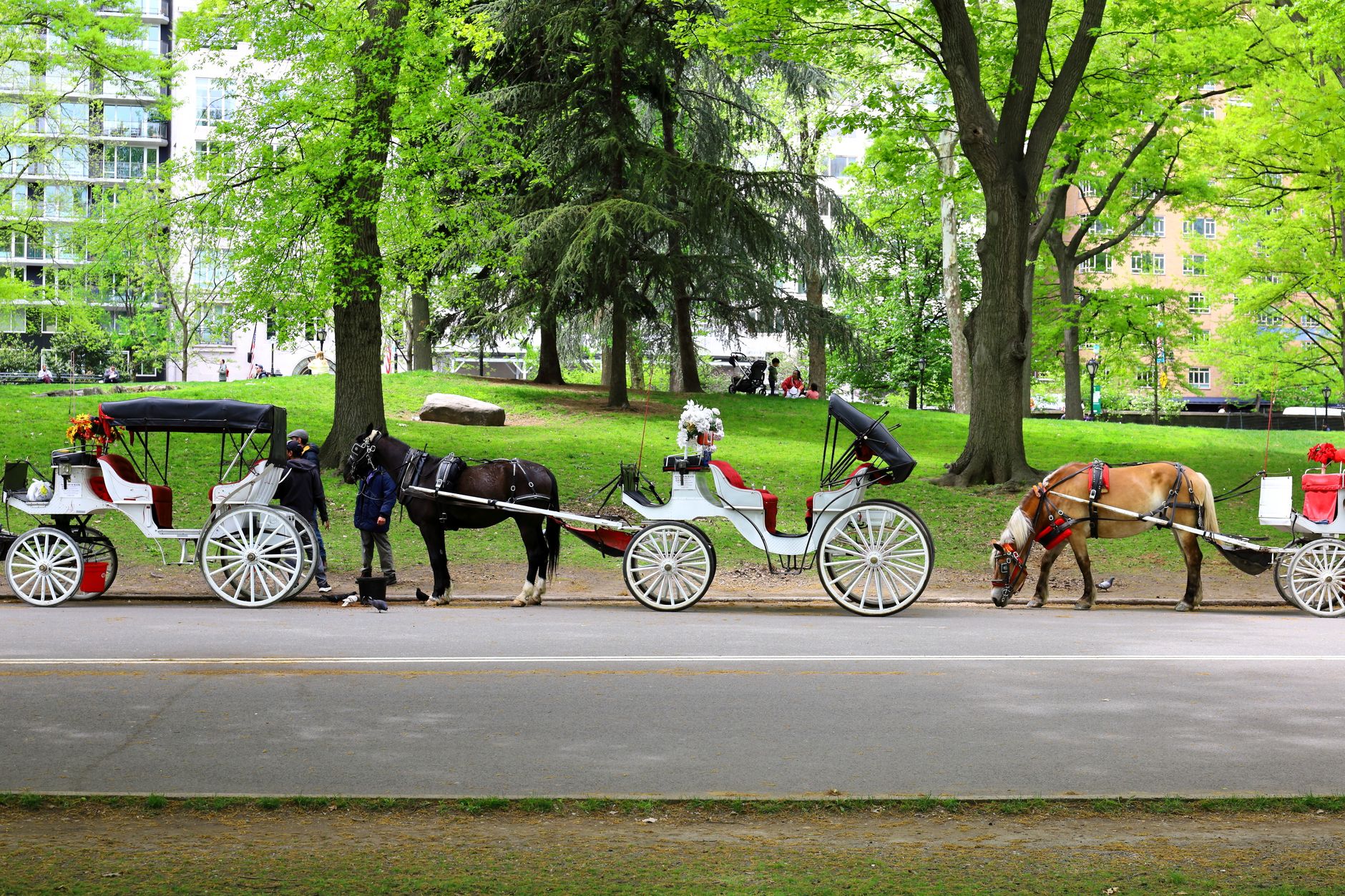
New York City is poised to end a 150-year-old tradition as Mayor Zohran Mamdani and City Council Speaker Julie Menin have reached a formal agreement to ban horse-drawn carriage rides in Central Park. The proposed legislation, which marks a significant shift in city policy, is scheduled for a vote by the 51-member City Council on October 22. If passed, the measure would systematically phase out the operation of these carriages by June 1, 2028.
The push for the ban has gained substantial momentum following persistent concerns regarding public safety within the increasingly congested park. Recent calls for the prohibition of the practice intensified following a tragic incident involving an Indian tourist, 18-year-old Romanch Mahajan, who died after falling from a carriage. According to advocates, including the Central Park Conservancy, the decision is primarily driven by the need to mitigate long-standing risks that have evolved over several years.
City Council Speaker Julie Menin noted the necessity of the transition, stating that while the carriages have been a historical feature of the city, they have become a public safety liability in the modern era. The legislation currently has 29 co-sponsors, a figure that suggests sufficient support to pass the chamber and potentially override any prospective mayoral veto. While a spokesperson for Mayor Mamdani did not explicitly confirm if he would sign the bill, the administration confirmed that a deal had been struck to move forward with the policy.
The legislation includes specific provisions intended to facilitate a transition for those currently employed in the industry. The proposal mandates that city agencies submit a formal plan by April 1, 2027, to assist carriage drivers, stable employees, and owners. This assistance may involve financial support, though the bill currently only requires the city to consider compensation packages rather than guaranteeing specific payouts.
Beyond human transition efforts, the bill introduces stringent animal welfare protections. Under the proposed rules, owners will be prohibited from selling or transferring licensed horses to other carriage businesses or for slaughter. Furthermore, owners must notify both the Health Department and the Mayor's Office of Animal Welfare at least 10 days before divesting themselves of a horse. Violations of the ban after the implementation date could result in penalties as high as $10,000 per instance.
Industry representatives, however, have expressed concerns regarding the economic impact of the move. Christina Hansen, a spokesperson for the industry, noted that there are currently 68 horse-drawn carriages in operation, supported by approximately 150 drivers and over 180 horses. Operators have argued that the rate of accidents involving horses is significantly lower than that of other activities permitted in the park, such as the use of e-bikes or scooters. They have also cautioned that a loss of revenue could leave them without the means to properly care for their animals or facilitate their relocation.
Despite this opposition, the political landscape suggests the bill is likely to succeed. The administration has emphasized that its goal is to manage a "just transition" that safeguards workers while permanently ending the practice in the park. As the October 22 vote approaches, the city prepares for the end of a practice that has been the subject of debate for decades, including failed attempts by previous administrations to implement similar restrictions.








Comments