


Saudi national arrested for planting secret recording device at OpenAI headquarters
Federal authorities charged the individual with unauthorized interception of electronic communications following an internal security discovery at the firm
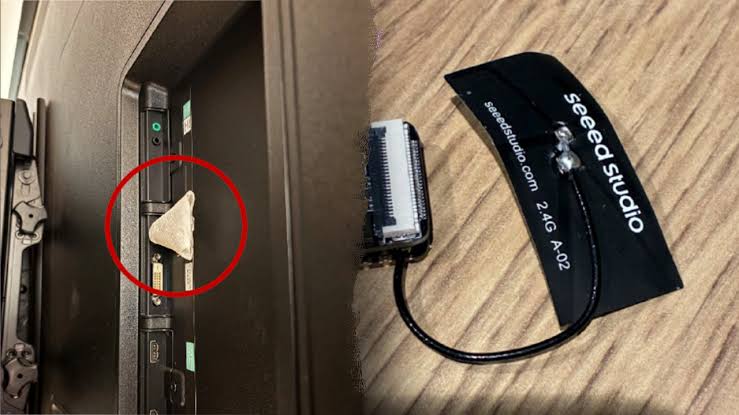
A Saudi national has been arrested by federal authorities following the discovery of a covert recording device at the San Francisco headquarters of artificial intelligence research firm OpenAI. The arrest, which took place on October 9, marks a significant security breach for one of the world's most prominent technology companies, raising fresh questions about industrial espionage and the protection of sensitive intellectual property in the rapidly advancing field of AI.According to the United States Department of Justice, the incident was first identified late last month when OpenAI’s internal security team conducted a sweep of their facilities. Upon discovering the unauthorized recording equipment, the company alerted law enforcement agencies, prompting a swift investigation into the circumstances surrounding the device's placement. The Department of Justice confirmed that the suspect, a Saudi national, was subsequently taken into custody.The details surrounding the specific nature of the recording device and the duration for which it may have been operational remain a matter of ongoing federal inquiry. Federal prosecutors have formally charged the individual with the unauthorized interception of electronic communications. This legal action highlights the severity with which the U.S. government treats the infiltration of sensitive technology hubs, particularly as the sector becomes increasingly central to both domestic innovation and international economic competition.OpenAI, which is responsible for developing the widely used ChatGPT platform, has been at the forefront of the generative artificial intelligence boom. The company’s offices house highly confidential research, source code, and strategic data that are considered valuable assets in the global AI race. The discovery of a physical surveillance tool within such a high-security environment underscores the persistent physical and digital threats facing Silicon Valley giants.Following the discovery, the company maintained close communication with investigators to ensure the integrity of its operations and to mitigate any potential fallout from the breach. While OpenAI has generally maintained strict security protocols, this event serves as a reminder of the vulnerabilities inherent even in high-security research centers. As the investigation progresses, federal authorities are likely to delve deeper into the suspect's motives and whether the gathered information was transmitted to external parties.The arrest has drawn attention to the broader issue of security within the tech sector. As AI companies continue to attract global investment and talent, the potential for targeted espionage grows. Industry experts suggest that companies will now likely be forced to reassess their physical security measures, including access controls and surveillance sweeps, to safeguard against similar clandestine activities. The incident also emphasizes the role of internal security teams in identifying threats that might otherwise go undetected.At this stage, the Department of Justice has not released additional details regarding the background of the suspect or the extent of the data that may have been compromised. The court proceedings are expected to shed more light on the case in the coming weeks. For now, the case stands as a stark example of the challenges faced by firms in the artificial intelligence industry as they navigate a landscape where their proprietary technology is highly sought after by various international actors.As this case moves through the American legal system, it is expected to underscore the importance of robust internal oversight and the necessity for immediate cooperation with law enforcement in the face of security compromises. The outcome of the trial could set a precedent for how similar cases of corporate-linked espionage are prosecuted in the future.








Comments