


India Hosts First BIMSTEC Home Ministers Meeting, Adopts Delhi Declaration
Member nations agreed to strengthen collective security frameworks and enhance cooperation against drug trafficking and cross-border terrorism
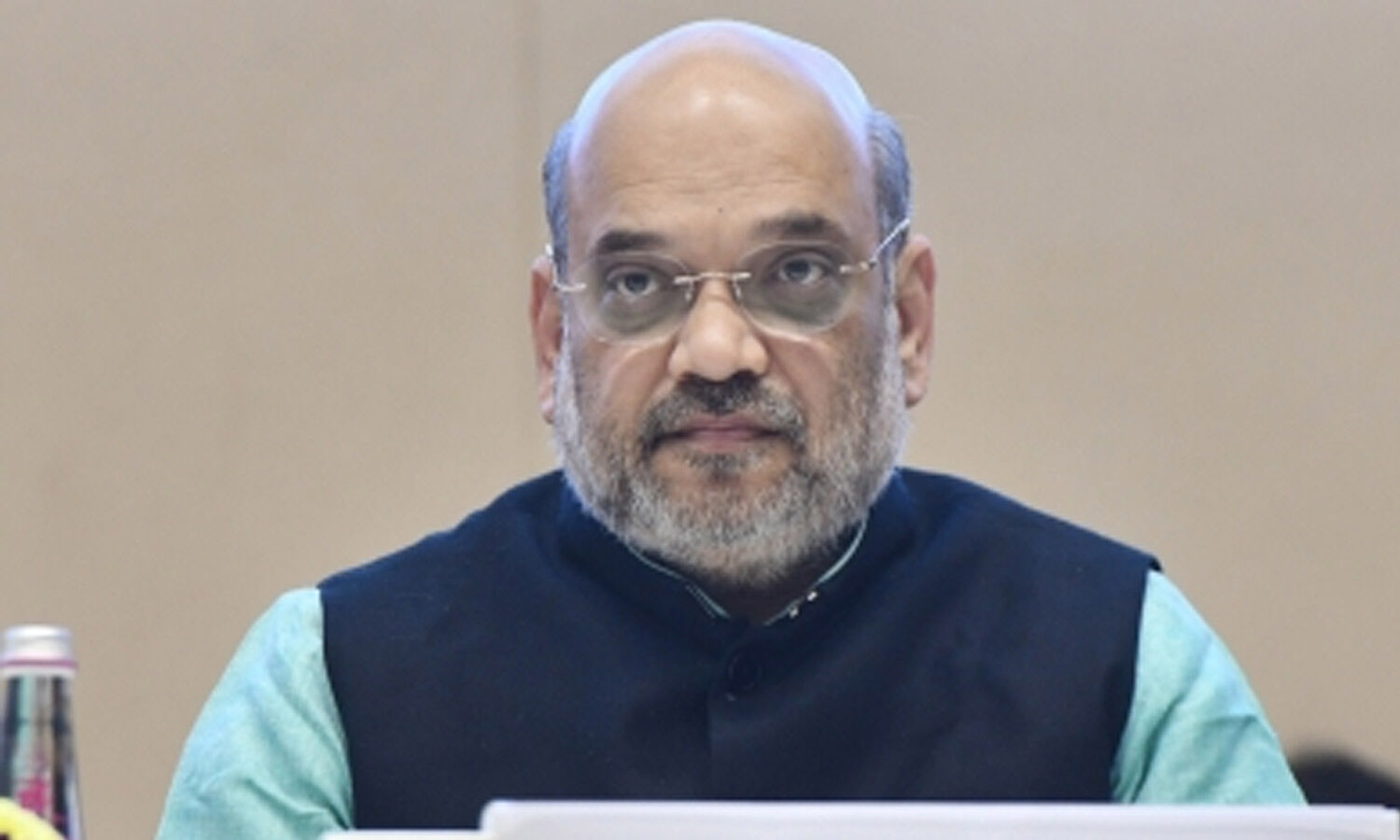
India hosted the first-ever meeting of BIMSTEC Home Ministers in New Delhi on Tuesday, marking a significant milestone in regional security cooperation. The high-level gathering, chaired by Union Home Minister Amit Shah, brought together delegations from all seven member states of the Bay of Bengal Initiative for Multi-Sectoral Technical and Economic Cooperation: Bangladesh, Bhutan, India, Myanmar, Nepal, Sri Lanka, and Thailand. The event was preceded by a preparatory meeting of senior officials led by the Union Home Secretary.A primary outcome of the summit was the formal adoption of the Delhi Declaration. Alongside this political commitment, the member nations approved a series of agreements designed to bolster regional resilience against a range of security threats. The discussions centered on tightening cooperation to combat terrorism, illicit financial flows, human trafficking, and the growing menace of drug trafficking, which Minister Shah termed "death trafficking."In his address, Minister Shah highlighted the strategic importance of the BIMSTEC platform for fostering regional integration and collective security. He referenced Prime Minister Narendra Modi’s vision from the 6th BIMSTEC Summit held in Bangkok in April 2025, which framed the organization as a vital model for inclusive development. Shah noted that it is now incumbent upon the Home Ministers of the participating countries to transform these diplomatic objectives into practical, operational mechanisms that ensure the safety of their respective citizens.India reiterated its "Zero Tolerance" policy toward terrorism during the deliberations. The Home Minister urged member nations to enhance their shared resolve to prevent terrorist networks from utilizing regional territories as safe havens for recruitment, training, or fundraising. He specifically called for more robust systems of mutual legal assistance and extradition to ensure that criminals and terrorists are brought to justice, noting that such efforts must align with respective national laws and existing international treaties.The meeting identified five core priority areas for the bloc: counter-terrorism and legal cooperation, drug control, the repatriation of fugitive criminals, cyber-security, and cybercrime investigations, as well as broader institutional capacity building. Minister Shah stressed that a regional approach is essential, arguing that no single country can effectively tackle sophisticated, transnational criminal activities in isolation.Addressing the challenge of narcotics, the Minister warned that the drug trade poses an existential threat to the youth and social fabric of the region. He also highlighted India’s proactive role in regional disaster management, noting that the BIMSTEC Disaster Management Centre, which is being established in Jamnagar, Gujarat, underscores the nation’s commitment to being a primary responder during regional crises. He invited active participation from all member states to make this center fully operational.The meeting concluded with a renewed emphasis on the principle that the security of one individual member state contributes directly to the stability and safety of the entire region. The adoption of the Delhi Declaration signifies a formal commitment to this collective security framework, setting the stage for more integrated law enforcement and intelligence-sharing operations across the BIMSTEC nations in the coming years.








Comments