


FCRA Amendment Bill mirrors 2010 UPA legislation, says JPC chief Sanjay Jaiswal
The committee is currently reviewing public feedback after hearing concerns from various religious organizations and interest groups
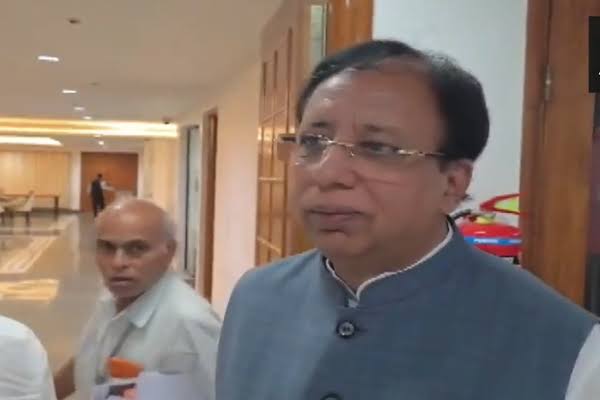
Sanjay Jaiswal, the BJP MP heading the Joint Parliamentary Committee (JPC) tasked with reviewing the Foreign Contribution (Regulation) Amendment Bill, 2026, has stated that the proposed legislation incorporates several clauses consistent with the law enacted by the UPA government in 2010. Speaking after a committee meeting, Jaiswal noted that the current draft maintains a framework similar to the previous regime's regulations concerning the management of foreign contributions.The JPC, which has been reviewing the bill since it was referred for parliamentary scrutiny on August 12, recently held sessions to interact with various stakeholders. The committee has been listening to the perspectives of several organizations, including the Syro Malabar Church, Ramakrishna Math, and ISKCON, as part of its ongoing efforts to understand the potential impact of the legislation. According to Jaiswal, the committee is carefully evaluating all input provided during these interactions and will hold subsequent meetings to deliberate on the concerns raised.Central to the discussion is the authority granted to manage assets under the act. Jaiswal pointed out that the 2010 Act had empowered the home secretary and the principal secretary of the state to confiscate the properties of NGOs found to have irregularities in receiving foreign funds. He clarified that the new bill proposes transferring this authority to a designated authority, rather than leaving it exclusively with the home or state-level secretaries, thereby shifting the administrative mechanism while retaining the underlying objective of regulatory oversight.The bill, which was first introduced in the Lok Sabha on March 25, has faced significant resistance from opposition parties. Critics have alleged that the proposed changes are aimed at minority-run institutions and could potentially restrict the flow of legitimate funding to Christian NGOs and various social welfare initiatives. During the legislative process, opposition members argued that certain provisions are overly restrictive and could negatively affect the operations of organizations engaged in charitable and educational work.Conversely, the government has consistently rejected these allegations, maintaining that the legislation is not designed to target any specific religion. Officials have challenged the opposition to identify any specific provision that acts in a discriminatory manner against minorities. Union Minister of State for Home Nityanand Rai, while introducing the bill, asserted that its primary purpose is to ensure the transparent and proper utilization of funds received from international sources. Rai also suggested that the bill serves as a necessary measure against those engaged in forced religious conversions, framing it as a security and regulatory imperative.As the committee moves forward, Jaiswal emphasized that the goal is to reach a collective decision through thorough discussion. He reiterated that all stakeholders were given an opportunity to present their views, and the committee remains committed to addressing these points within the scope of their parliamentary duty. The process of gathering testimonials from religious and social groups is a crucial step in the JPC's timeline before it submits its findings or recommendations.Looking ahead, the committee’s next steps will involve internal deliberations to synthesize the diverse range of opinions heard during the public sessions. While the political divide regarding the necessity and impact of the amendments remains prominent, the JPC’s focus continues to be on the legal and administrative alignment of the bill with existing statutory frameworks. The upcoming committee meetings will be essential in determining how the feedback from these diverse groups will influence the final form of the legislation as it moves through the parliamentary pipeline.








Comments