


Apple Unveils HomeView and New Home Devices to Expand Smart Home Presence
The new lineup includes the HomeView display and updated models of the HomePod mini and Apple TV 4K
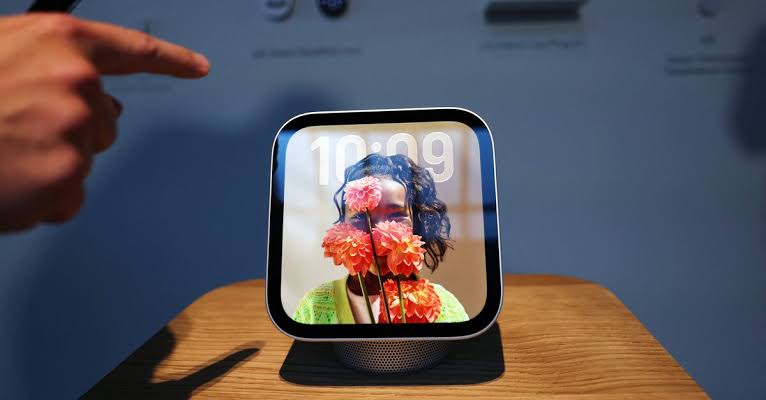
Apple has announced a fresh strategic push into the competitive smart home market, unveiling three new hardware products designed to deepen its integration with household technology. The company confirmed the upcoming release of the HomeView smart display, the second-generation HomePod mini, and an updated Apple TV 4K. These devices are intended to serve as a platform for the company's recently launched Siri AI, moving the technology beyond the confines of mobile handsets and into the broader ecosystem of connected living spaces.The centerpiece of this product expansion is HomeView, a dedicated smart home display. Priced at Rs 39,900, the device is engineered to act as a centralized control hub. Users can manage various connected smart appliances, oversee household activities, and interact directly with the company’s AI software. This launch represents Apple’s latest attempt to secure a foothold in a sector where it has previously faced difficulty gaining significant market share, despite maintaining a strong influence in the premium consumer electronics space.Alongside the new display, Apple has refreshed its existing home hardware lineup. The second-generation HomePod mini has been introduced with a price point of Rs 18,900. Additionally, the company is rolling out an updated version of the Apple TV 4K, which will also start at Rs 39,900. These products are scheduled for a phased release, with initial availability beginning on October 30. The timing of these launches is seen as a move to challenge dominant players such as Amazon and Google, both of which have established deep roots in the smart home industry over the past decade.Industry analysts have noted that the success of these new devices will depend on Apple’s ability to prove the tangible value of its technology to everyday consumers. Prabhu Ram, Vice President of the industry research group CyberMedia Research (CMR), emphasized the challenges inherent in this market expansion. According to Ram, the company must effectively demonstrate that its context-aware AI makes the connected home meaningfully more useful while simultaneously addressing persistent industry hurdles regarding interoperability and the barriers to broader consumer adoption.By integrating Siri AI into the home hardware ecosystem, the company is signaling a shift toward more ambient computing, where AI assistance is accessible throughout the living environment rather than limited to the smartphone. The move is part of a broader industry trend where hardware manufacturers are increasingly looking to AI to differentiate their products and provide more intuitive user experiences within the domestic environment.The market for smart home devices remains highly competitive, characterized by rapid innovation and a constant struggle for ecosystem loyalty. As Apple prepares to bring these devices to market, the effectiveness of its integration strategy will likely be measured by how well the new hardware communicates with third-party devices and simplifies complex home automation tasks for the average user. With the launch scheduled for the end of October, the company is positioning itself to capture consumer interest ahead of the year-end shopping cycle.As these new products reach customers, the focus will shift to how effectively the AI-driven features perform in a home setting. Addressing the technical and functional expectations of users will be critical for Apple if it intends to gain traction against the established smart home interfaces provided by its major competitors. The company has not yet provided further details on additional hardware or software updates for the home ecosystem beyond these three specific product announcements.








Comments