


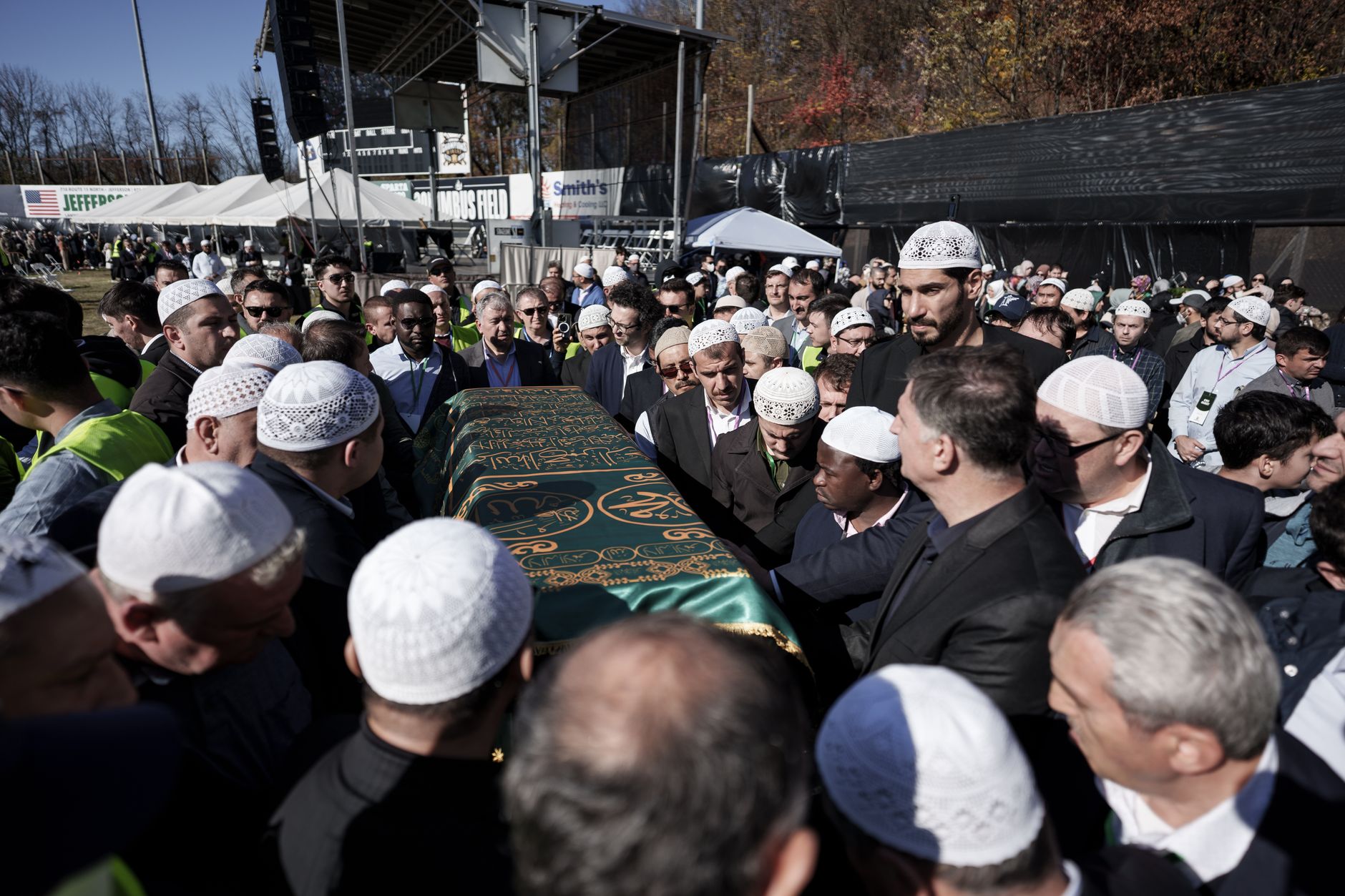
Mourners gathered in Egypt to hold funeral services for a flight attendant who lost her life in a recent Houthi-led attack targeting the Saudi Arabian capital, Riyadh. The solemn event brought together grieving family members, friends, and colleagues who remembered the victim as a dedicated professional whose life was cut short by regional instability. The tragedy has cast a somber light on the persistent cross-border conflict that continues to impact civilian life across the Middle East.
Reports confirmed that the individual was working in the city at the time of the incident, which occurred as part of a broader series of strikes aimed at Saudi territory. While regional authorities have been navigating escalating tensions for months, the death of a civilian working in the aviation sector has intensified discussions regarding safety protocols and the protection of non-combatants in areas frequently targeted by long-range missiles and drone strikes.
The Houthi movement, based in Yemen, has repeatedly claimed responsibility for various aerial attacks directed at Saudi cities. These actions have been condemned by several international bodies and neighbouring governments, who argue that the targeting of urban centers poses a significant threat to regional stability and global logistics. Saudi officials have maintained that they are taking necessary defensive measures to intercept incoming threats and protect residents from further harm.
For the family of the deceased, the focus remains on the personal loss. During the funeral, attendees expressed their heartbreak over the circumstances surrounding the death, emphasizing the vulnerability of workers stationed in regions where geopolitical conflicts frequently cross into residential and commercial zones. The aviation community, in particular, has mourned the loss, noting the challenges flight crews and support staff face when operating in volatile environments.
The incident serves as a grim reminder of the human cost associated with the ongoing war in Yemen. Despite repeated diplomatic efforts to broker a lasting ceasefire, the exchange of hostilities has seen periodic spikes, with civilian infrastructure and personnel often becoming unintended victims of the conflict. The death has prompted calls for renewed international scrutiny of the security situation in the region, with many observers noting that the frequency of such strikes continues to hinder prospects for a peaceful resolution.
As the family begins the process of healing, the broader implications of this incident are being processed by regional stakeholders. Security experts note that the use of advanced weaponry in these attacks requires a sophisticated response, and the loss of life has further complicated the diplomatic landscape. Authorities in Egypt have not yet released detailed statements regarding the broader legal actions being pursued, though the incident is expected to remain a point of discussion in regional security forums.
What happens next remains a concern for many, as the cycles of violence in the region show few signs of abating. International mediators are closely monitoring the situation to determine whether this latest event will lead to an escalation in defensive maneuvers or, alternatively, provide a catalyst for more urgent back-channel negotiations to protect the lives of civilians caught in the crossfire. For now, the focus in the Egyptian community remains on honoring the memory of the flight attendant who died in the line of duty far from home.








Comments