


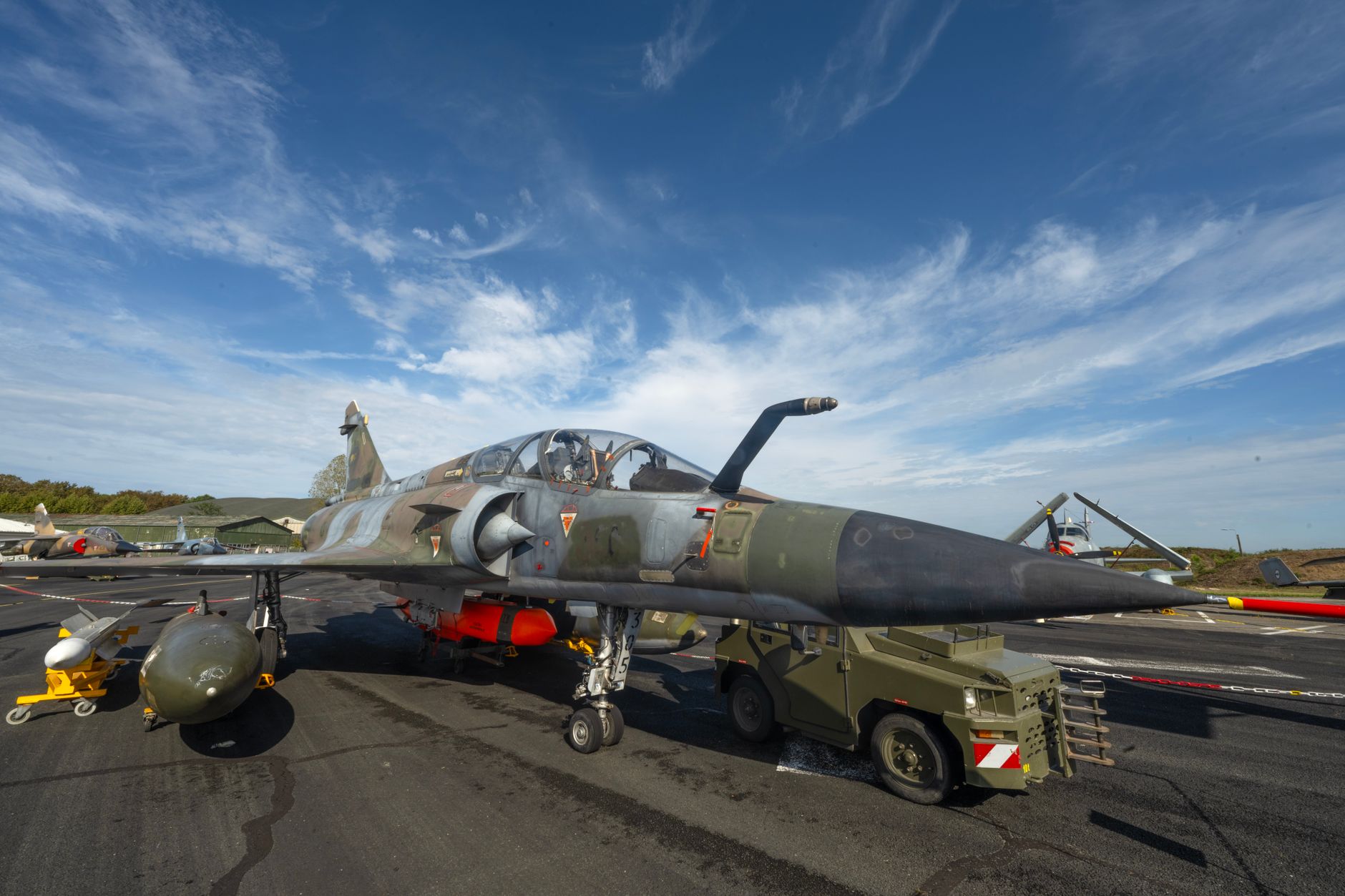
A sharp escalation in regional hostilities occurred on Tuesday night after the Saudi-led coalition conducted an airstrike on a fuel depot near Yemen’s capital, Sanaa. The operation targeted the al-Sabaha facility, operated by the Houthi-run Yemen Petroleum Company. The strike triggered an immediate response from the Iran-backed Houthi group, which launched a series of missiles and drones aimed at several Saudi Arabian cities, including the capital, Riyadh, and the eastern city of Dammam.
Maj Gen Turki al-Maliki, the coalition spokesperson, confirmed that the military operation was carried out after the coalition identified the site as a strategic target. Following the strike, reports emerged of explosions over Riyadh as coalition air defenses intercepted the incoming projectiles. According to official statements, four missiles and two drones were neutralized near the Saudi capital. Additional reports indicated that shrapnel from the intercepted attacks landed in a residential area of Dhahran.
The Houthis have publicly warned that they would retaliate by focusing their fire on key infrastructure, specifically naming the Riyadh airport, Saudi Aramco’s refinery in the capital, and the company's headquarters in Dammam. This cycle of violence is part of a broader conflict that has worsened significantly since July, when an informal four-year ceasefire began to collapse. The Houthis have cited a perceived Saudi blockade and previous airstrikes on Sanaa airport as primary drivers for their recent surge in cross-border attacks.
The current tension is further exacerbated by the Saudi cabinet’s recent position, led by Crown Prince Mohammed bin Salman, which asserted that the Houthis would be held accountable for recent lethal strikes. Notably, 13 people were reported killed after a missile struck King Khalid International Airport in Riyadh last Saturday, followed by another fatality in a similar attack the next day. Earlier on Tuesday, the coalition had successfully destroyed three drones north of Riyadh, signaling an intense period of aerial engagement.
On the ground in Sanaa, the impact of the coalition's strike was felt by residents even before the attack took place. News of an impending operation against the al-Sabaha depot led to long queues at local petrol stations as citizens expressed concerns over fuel scarcity. In an attempt to mitigate panic, the Yemen Petroleum Company released a statement claiming the facility did not hold actual petroleum stocks and assured the public that they had implemented measures to maintain supply stability for the population.
The roots of the conflict trace back to 2014, when the Houthis ousted the internationally recognized government from Sanaa. The intervention of the Saudi-led coalition in 2015 transformed the situation into a protracted civil war. Recent months have seen intensified fighting as the coalition provides air support for pro-government forces seeking to reclaim territory along the Red Sea coast, particularly near the Bab al-Mandab Strait, a critical chokepoint for global maritime trade.
The humanitarian consequences of this renewed fighting have been severe. According to the United Nations, hundreds of people have been killed in Yemen since August, with at least 54 civilians confirmed dead, half of them children. Beyond the immediate death toll, the conflict has displaced over 216,000 individuals, while health infrastructure struggles to contain a rapid rise in suspected cholera cases, which have tripled in just three weeks. As both sides signal no intention of de-escalating, the prospects for a return to stability remain dim.








Comments