


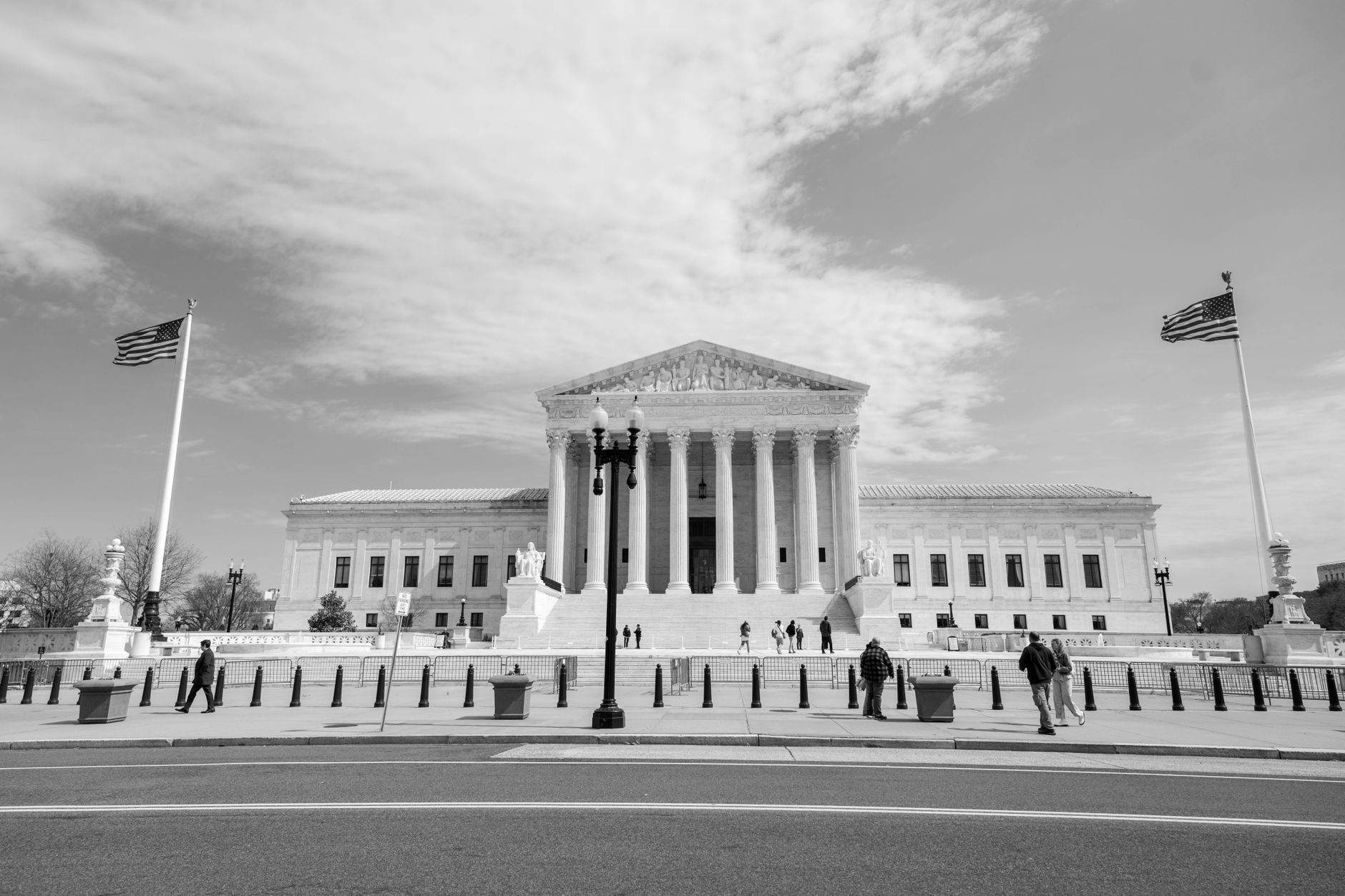
The United States Supreme Court has intervened in a significant legal battle concerning transparency within the executive branch, agreeing to hear arguments regarding access to public records from the Department of Government Efficiency (DOGE). The case, brought forward by the Washington-based watchdog group Citizens for Responsibility and Ethics (CREW), seeks to compel the disclosure of documents related to the department’s operations during the initial months of President Donald Trump’s second term. This marks the second time the high court has involved itself in the ongoing dispute.
At the heart of the legal conflict is the question of whether DOGE functions as a standard federal agency or as a presidential advisory body. Under federal law, the Freedom of Information Act (FOIA) mandates that agencies provide public access to records. However, the Trump administration contends that DOGE falls under the umbrella of presidential advisory bodies, which are traditionally exempt from these transparency requirements. Justice Department lawyers have argued that subjecting such groups to discovery processes interferes with the autonomy and confidentiality essential to presidential advisers.
The current legal situation follows a series of rulings in lower courts. Initially, US District Judge Christopher Cooper ruled in favour of the watchdog, ordering the government to expedite the processing of records requests. An appeals court panel subsequently upheld that decision. However, in June 2025, the Supreme Court’s conservative majority intervened, determining that Judge Cooper’s original order for document production was too broad. The administration now claims the appeals court failed to adequately respect the Supreme Court’s previous direction regarding the separation of powers.
Beyond the primary record requests, the dispute has also touched upon procedural concerns. The Trump administration has challenged a lower court ruling that permitted the plaintiffs to take a sworn deposition of Amy Gleason, the acting administrator of DOGE. Government lawyers maintain that such measures represent an intrusive overreach. Conversely, CREW has asserted that the appeals court fully complied with the Supreme Court’s earlier mandates and that the public has a fundamental right to understand the mechanisms behind the administration’s government overhaul.
The role and impact of DOGE have been subjects of considerable public and internal scrutiny. While the department has publicly claimed to have achieved tens of billions of dollars in expenditure cuts, these figures have faced scepticism from independent financial analysts. A report from the Government Accountability Office (GAO), the federal auditing agency, noted that several of the savings claimed by DOGE—related to contract, lease, and grant terminations—lacked sufficient supporting evidence. Furthermore, auditors found that some of these reported savings included initiatives that were already in progress prior to the establishment of the department.
Nikhel Sus, a lawyer for CREW, stated that the organisation remains committed to its pursuit of transparency. According to Sus, courts have consistently supported the group’s entitlement to records that could clarify whether DOGE exerts the level of independent authority that would necessitate its compliance with FOIA. The watchdog argues that the American public requires this information to fully grasp how the administration has sought to restructure federal operations.
The Supreme Court’s decision to hear the case will ultimately provide a definitive interpretation of the legal status of DOGE. For the administration, the case represents a defence of presidential authority and the operational independence of its advisers. For the plaintiffs, the proceedings serve as a crucial test of the Freedom of Information Act's reach in an era of rapid, executive-led bureaucratic reform. Legal observers will be closely watching the court's proceedings for insights into how these foundational transparency laws apply to newly established advisory units that hold broad, government-wide remits.








Comments